








Opening
Climate change statistics: Have you thought about how serious climate change really is? Looking at these climate change statistics can give you a clear picture. These aren’t just abstract data; they reveal how our planet is heating up, how weather patterns are shifting, and how ecosystems, economies, and human lives are being affected.
From the rising global temperatures to melting ice caps and sea level rise, the statistics show that the effects of climate change are happening faster than many of us realize. Extreme weather events are becoming more frequent, wildfires are happening in larger areas, and natural disasters are costing billions of dollars every year.
By understanding these statistics, we don’t just see the problem; we see why action is urgent. In this article, I’ll walk you through all the key numbers, trends, and insights about climate change, helping you grasp the scale of this global crisis and why it matters to every one of us. Let’s get into it.
Highest-Rated Selections
- Earth’s average surface temperature has increased by about 1.55°C above the 1850–1900 average in 2024, the warmest year in the 175-year observational record; 2025 was the second- or third-warmest year, at about 1.43°C above the 1850–1900 baseline.
- Atmospheric CO₂ concentration reached 422.8 ppm in 2024; preliminary 2025 data indicate approximately 425.7 ppm.
- Global fossil CO₂ emissions are estimated at a record 38.1 billion tonnes in 2025, while total anthropogenic CO₂ emissions, including land-use change, are estimated at 42.2 billion tonnes.
- Global sea levels rise at 3.3 mm per year, threatening coastal cities and communities, and accelerating risks from storm surges and flooding.
- The frequency and severity of wildfires, heatwaves, and hurricanes have surged. In 2025, a prolonged heatwave during the first three weeks of August triggered 22 very large wildfires across Spain and Portugal, burning 460,585 hectares combined.
- Climate change is disrupting ecosystems worldwide, with 84% of coral reefs experiencing bleaching during the 2023 to 2025 event, threatening marine biodiversity.
- Rising temperatures and extreme weather increase heat stress, respiratory problems, and disease spread, with 2024 seeing 6 excessively humid days, putting millions at risk.
- Climate-related disasters cause trillions in damages globally, including billions from wildfires in Europe, hurricanes in the Caribbean, and agricultural losses worldwide.
- Efforts like the Paris Agreement target limiting warming to below 2 degrees Celsius, with countries investing in renewable energy, reforestation, and carbon capture to mitigate climate change.
| Topic | Key Statistic/Fact | Impact |
| Global Temperature | +1.43 degrees Celsius since the 1880s |
Accelerated global warming |
|
CO₂ Levels | 425.7 ppm | Major driver of climate change |
| Sea Level Rise | 3.3 mm/year |
Coastal flooding & erosion |
|
Extreme Weather | 460,585 hectares burned (2025 wildfires) | Property & ecosystem damage |
| Ecosystems | 84% coral reefs were bleached |
Biodiversity loss |
|
Human Health | 35.6 excessively humid days (2024) | Heat stress & disease risk |
| Economic Costs | Trillions globally |
Infrastructure & agriculture loss |
|
Global Initiatives | Paris Agreement |
Reducing emissions & climate adaptation |
Global Temperature Rise
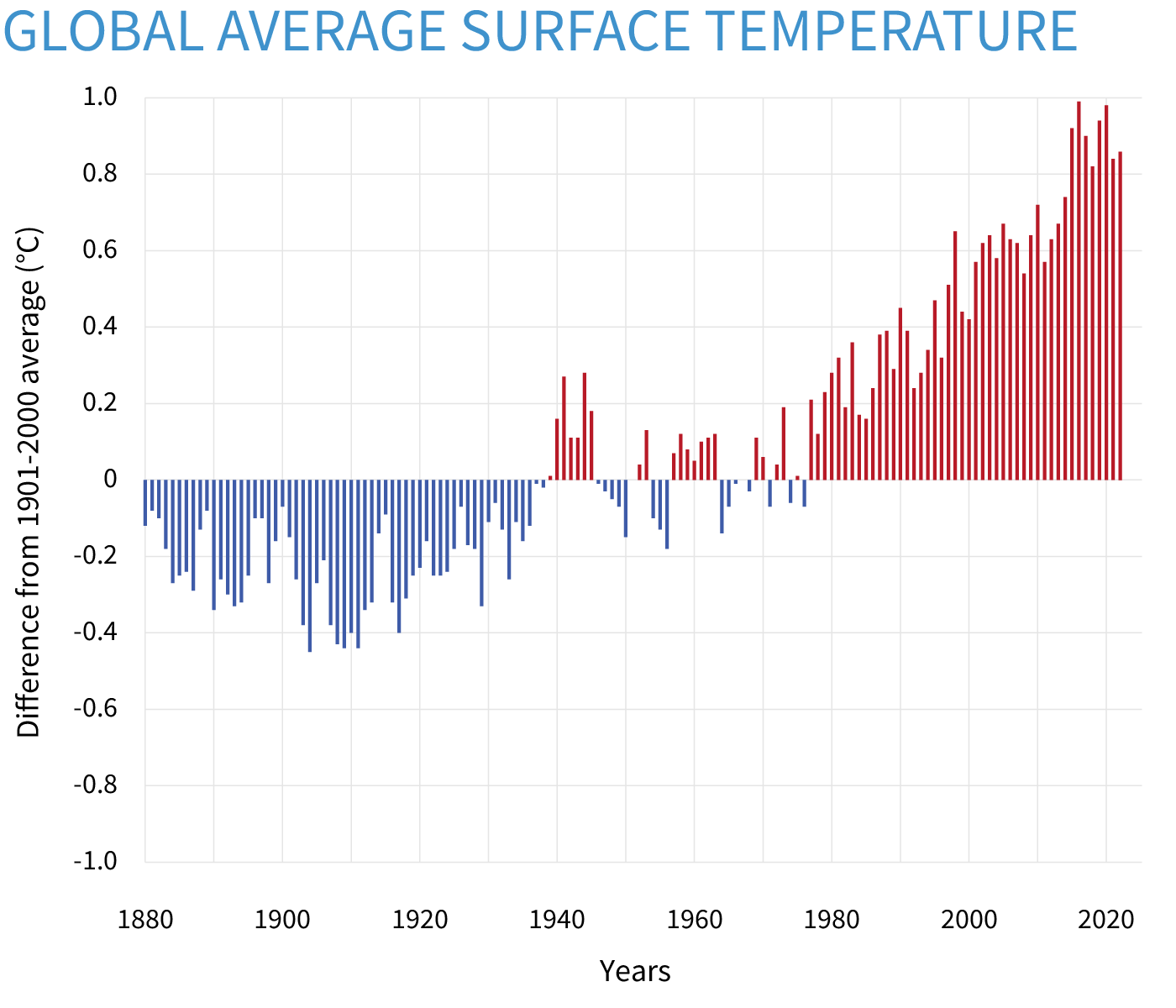
(Source: climate.gov)
- The Earth’s average surface temperature has increased by about 1.43°C above the 1850–1900 average in 2025.
- The last decade has consistently been the hottest on record, with 2015–2025 constituting the 11 hottest years on record. 2024 remains the warmest year on record, while 2025 was the second- or third-warmest, depending on the temperature dataset, at about 1.43°C above the 1850–1900 average.
| Metric | Statistic |
| Increase since the 1880s | +1.43 degrees Celsius |
| Hottest Decade | 2015 to 2025 |
| 2024 Temperature Anomaly | +1.47 degrees Celsius |
Greenhouse Gas Emissions
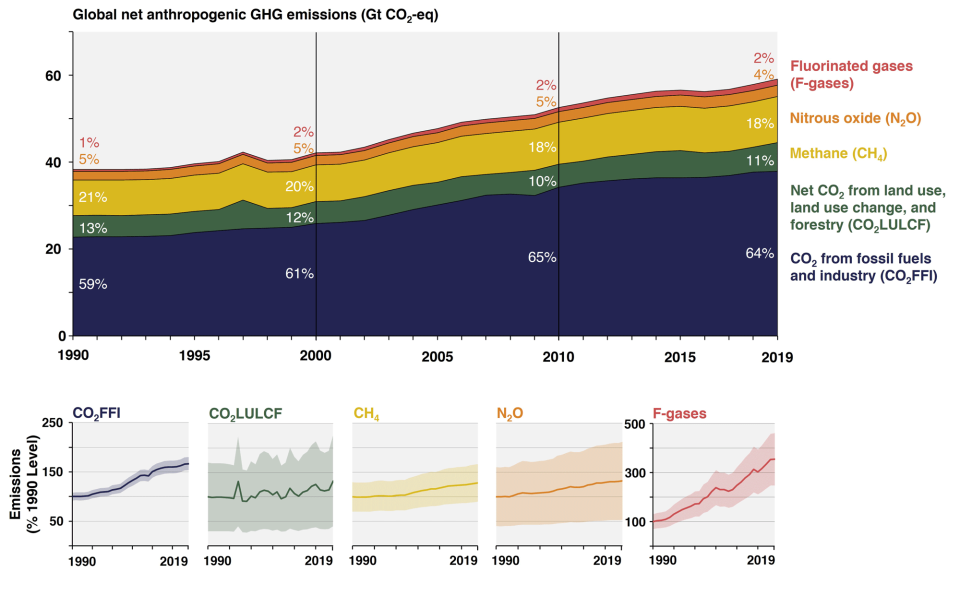
(Source: epa.gov)
- Global greenhouse gas emissions continue to climb, with CO₂ concentrations reaching over 425.7 ppm, the highest level in over 3 million years.
- Total global CO₂ emissions are projected at approximately 42.2 billion tonnes, essentially flat versus 2024 (down a negligible 0.04%), while fossil-fuel emissions alone hit a new record high of 38.1 billion tonnes, up 1.1% year-over-year.
| Gas | Concentration/Emission | Impact |
| CO₂ | 425.7 ppm | Global warming |
| Methane | 1.9 ppm | 28x more warming than CO₂ |
| Annual CO₂ Emissions | 42.2 billion tonnes | Fossil fuels & deforestation |
Sea Level Rise
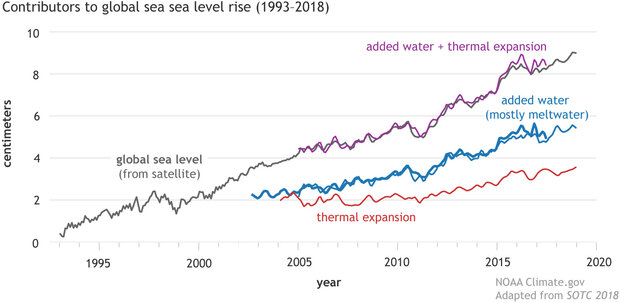
(Source: climate.gov)
- Global sea levels are rising at about 3.3 mm per year, driven by melting ice sheets and the thermal expansion of oceans.
- Rising seas threaten coastal cities and communities, increasing the risk of flooding and eroding vital land resources.
| Metric | Statistic |
| Annual Rise | 3.3 mm/year |
| Ice Sheet Contribution | Greenland & Antarctica |
| Major Threat | Coastal flooding |
Extreme Weather Events
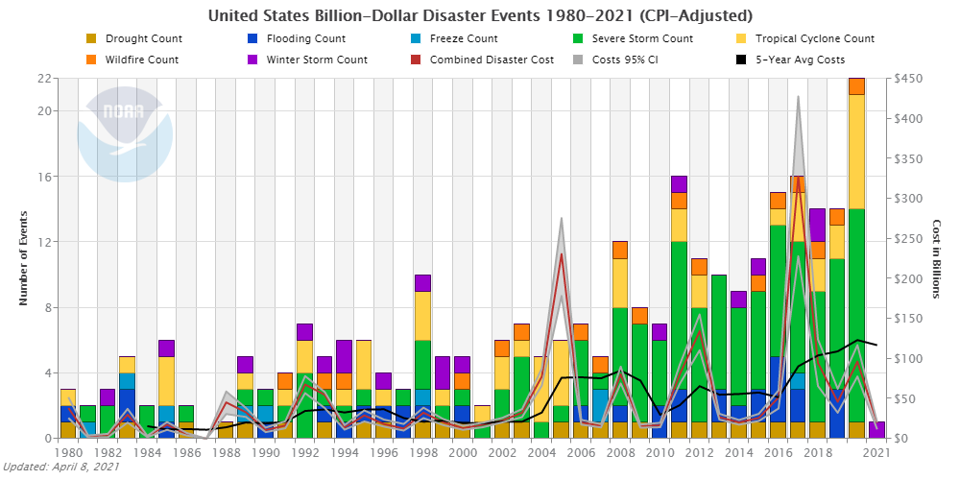
(Reference: forbes.com)
- The frequency of extreme weather events, including hurricanes, wildfires, and heatwaves, has increased dramatically over the past few decades.
- For example, in 2025, Spain and Portugal experienced wildfires burning over 460,585 hectares, while heatwaves affected millions across Europe and Asia.
| Event Type | Frequency/2024 Stats | Impact |
| Wildfires | 460,585 hectares burned (Spain & Portugal) | Property & ecosystem damage |
| Heatwaves | 35.6 excessively humid days | Human health risk |
| Hurricanes | Increased intensity | Coastal infrastructure damage |
Impact on Ecosystems
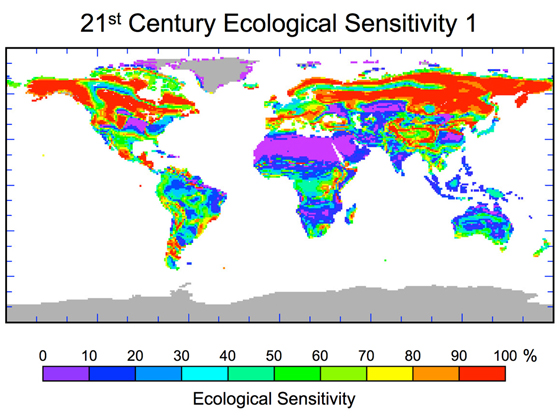
(Source: nasa.gov)
- Climate change disrupts ecosystems, causing habitat loss, coral bleaching, and species migration.
- About 84% of the world’s coral reefs experienced bleaching during the 2023 to 2025 global coral bleaching event, threatening marine biodiversity.
| Ecosystem | Effect | Statistic |
| Coral Reefs | Bleaching | 84% affected |
| Forests | Species migration & die-offs | Increasing |
| Wetlands | Reduced area | Rising temperatures & human impact |
Human Health Implications
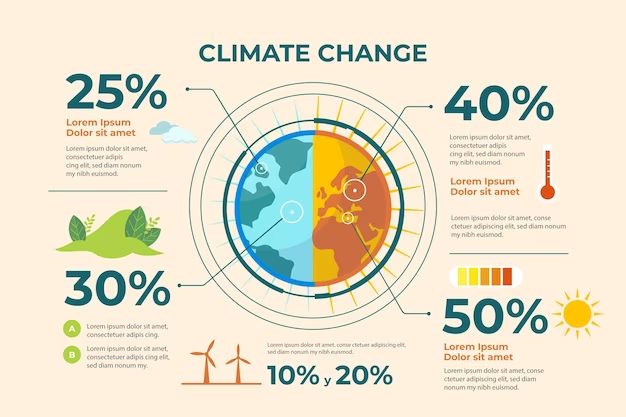
(Source: linkedin.com)
- Rising global temperatures and extreme weather directly impact human health, increasing heat-related illnesses and respiratory problems.
- Excessively humid days rose to 35.6 in 2024, posing risks of heat stroke and exacerbating vector-borne diseases like malaria and dengue.
| Health Aspect | Statistic | Effect |
| Excessively Humid Days | 35.6 (2024) | Heat stress & illness |
| Vector-borne Diseases | Increasing | Malaria, Dengue expansion |
| Respiratory Illness | Higher due to pollution & heat | Increased hospitalizations |
Economic Costs of Climate Change
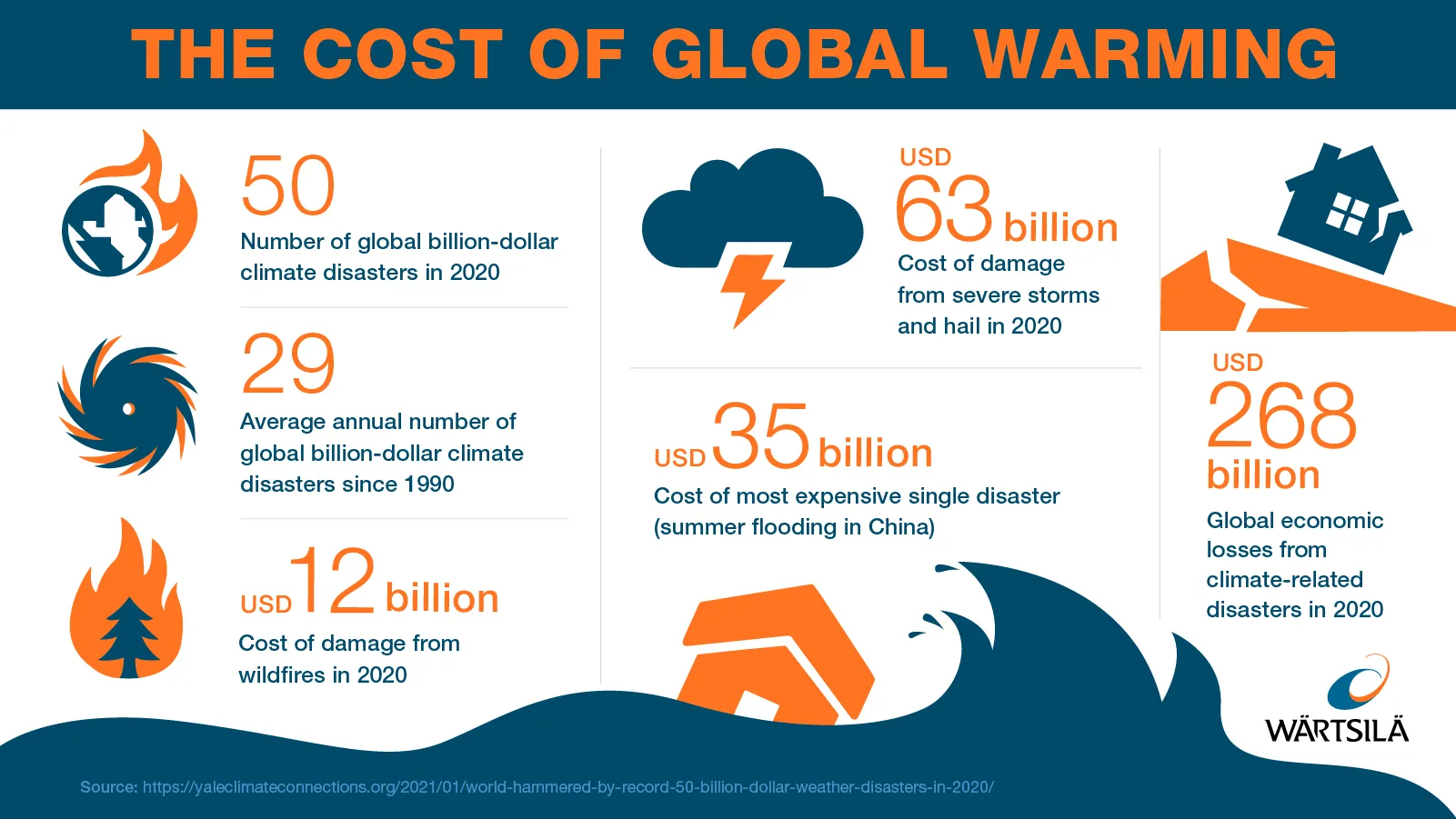
(Source: wartsila.com)
- Climate change has been responsible for causing trillions of dollars’ worth of damages worldwide owing to natural disasters, crop failure, and destruction of infrastructure.
- As an example, the wildfires of 2024 in Europe caused billions of dollars’ worth of economic damages.
| Event | Economic Cost | Region |
| Wildfires | Billions USD | Spain & Portugal |
| Hurricanes | Billions USD | Caribbean & US |
| Agricultural Loss | Trillions globally | Worldwide |
Global Initiatives and Actions
- One of the goals of the Paris Agreement is to keep the temperature rise to below 2 degrees Celsius, preferably to 1.5 degrees Celsius.
- Most countries have started projects on the use of renewable energy, reforestation, and climate change adaptation policies.
| Initiative | Goal | Progress |
| Paris Agreement | Limit warming to 2 degrees Celsius | 193 countries signed |
| Renewable Energy Transition | Replace fossil fuels | Increasing adoption |
| Reforestation & Carbon Capture | Reduce CO₂ | Expanding programs |
Final Thoughts
Looking at all these climate change statistics, it’s clear that our planet is undergoing massive changes at a scary pace. From rising temperatures and greenhouse gas emissions to extreme weather events and ecological disruptions, the evidence shows that climate change is happening right now.
Knowing the statistics goes beyond just knowing the facts because this knowledge should inspire urgency to take action. With the realization of how serious the problem is, one can support sustainability projects and make decisions that could help us delay these trends. In summary, I hope that you guys enjoyed the article and that you understood how to read such data. If you have any question or require clarification on anything, feel free to comment below.
FAQ
Climate change is a long-term shift in global or regional climate patterns and average temperatures.
Approximately 3.3 to 3.6 billion people nearly half of the global population currently live in areas that are highly vulnerable to climate change, according to data from the the United Nations and the World Health Organization (WHO).
Global temperatures in 2026 are tracking around 1.5°C above pre-industrial levels, ranking it among the warmest years on record and keeping the planet near record-breaking heat.