








Introduction
Calories in Yogurt: As of 2023, the global Yogurt market is valued at $168 billion and is expected to grow at a CAGR of 7.14% between 2023 and 2028. Considering the global market, most of the revenue is expected to be generated from China, resulting in $41,120 million in 2023. It is estimated that, in 2023, the average volume of yogurt per person is 7.87kg.
Since yogurt is commonly produced in industries, it is possible to create a variety of flavors, and based on that, the Yogurt calories change. There is a difference between Curd and Yogurt; therefore, to understand how many calories in Yogurt are, we have gathered some nutritional information along with some mouth-watering recipes.
What is Yogurt?
Yogurt, or Yoghurt, Yoghourt, Yoghurt, is a type of food produced through bacterial fermentation of milk. The bacteria that are used for yogurt are known as yogurt cultures. The most common ingredient to make one is cow’s milk. The product is manufactured using bacteria called Lactobacillus bulgaricus and Streptococcus thermophilus. This culture is mixed at the warm temperature of 30–45 °C and kept as it is for at least 4 to 12 hours for the fermentation process. If kept at a high temperature, it is possible for faster fermentation, but it could risk a lumpy texture.
What is the Difference Between Yogurt and Curd?
| Curd | Yogurt |
| It has a lower amount of lactose as compared to fresh milk. | It has a much smaller amount of lactose as compared to curd, specifically Greek yogurt. |
| Curd has phosphorus, calcium, and Vitamin B12 | Yogurt has Vitamin B6, Iron, Potassium, and Calcium. |
| Curd made at home is always unflavoured and unsweetened. | Majorly, it is manufactured in industries and can be produced in many flavors as well as in sweet or plain tastes. |
| It is made by fermenting the milk using lactic acid bacteria. | It is made by fermenting milk through live strains of bacteria called Streptococcus thermophilus and Lactobacillus bulgaricus. |
(Source: jagranjosh.com)
Health Benefits of Yogurt
- The probiotics have properties to reduce stress and anxiety, therefore minimizing depression.
- Reduces skin allergies
- It can manage blood sugar levels and reduce inflammation
- Manages heat in the body.
- Aided in weight loss
- Improves immunity naturally.
- Yogurt is also effective for reducing constipation and, therefore, enhances digestion.
Different Types of Yogurt
- Lactose-free Yogurt (1 cup plain has 9.3 grams of protein, 4 grams of fat, 14.7 grams of carbs, and 5.3 grams of sugar) – This type of yogurt is suitable for lactose intolerance as it is produced from regular yogurt but excludes lactose.
- Soy Yogurt (1 cup has 9 grams of protein, 4 grams of fat, 39 grams of carbs, and 3 grams of sugar) – It is produced from soy milk and features as a dairy-free substitute for Vegans or is also suitable for lactose-intolerant people.
- Almond Yogurt (150 grams of yogurt has 5 grams of protein, 11 grams of fat, 19 grams of carbs, and 15 grams of sugar) – another dairy product substitute made from almond milk that has a creamy texture and nutty flavor.
- Cashew Yogurt (150 grams of yogurt has 3 grams of protein, 6 grams of fat, 19 grams of carbs, and 12 grams of sugar) – It has a creamy texture and is also a dairy-free substitute for Vegans. It is made from cashew milk.
- Coconut Yogurt (1 cup of yogurt has 8 grams of protein, 9 grams of fat, 19 grams of carbs, and 18 grams of sugar) – As the name suggests, it is made from coconut milk, with a hint of tropical flavor as well as a creamy texture.
- European or French Yogurt (150 grams of yogurt has 5 grams of protein, 8 grams of fat, 17 grams of carbs, and 15 grams of sugar) – This is a regular yogurt in the French or European region. It has a creamy and smooth texture.
- Swiss Yogurt (150 grams of yogurt has 9 grams of protein, 3 grams of fat, 27 grams of carbs, and 25 grams of sugar) – It is a well-known type of yogurt that comes with a velvety texture and is rich in flavor. It is made from full-fat milk.
- Greek Yogurt (1 cup (nonfat) of yogurt has 25 grams of protein, 1 gram of fat, 10 grams of carbs, and 8 grams of sugar) – One of the most consumed types of yogurt is Greek Yogurt. It has a creamy and thick texture as well as being high in protein.
- Skyr – Icelandic Yogurt (1 cup of yogurt has 16 grams of protein, 0 grams of fat, 19 grams of carbs, and 7 grams of sugar) – Skyr is a traditional yogurt of the Icelandic region. It has a thick and creamy texture and is almost similar to Greek yogurt.
- Australian Yogurt (100 grams of yogurt has 5 grams of protein, 5 grams of fat, 16 grams of carbs, and 15 grams of sugar) – Commonly produced in Australia, this type has a creamy and smooth texture and is made from whole milk.
- Probiotic Yogurt (1 cup of yogurt has 13 grams of protein, 0 grams of fat, 18 grams of carbs, and 17 grams of sugar) – The probiotic Yogurt comes with live cultures of good bacteria and provides gut health.
- Drinkable Yogurt (100 grams of yogurt has 3.8 grams of protein, 6.3 grams of fat, 37.6 grams of carbs, and 34.6 grams of sugar) – This comes in a thinner texture and often has a drinkable format. It is offered either in flavored or sweetened yogurt.
- Frozen Yogurt (1 cup of yogurt has 5.2 grams of protein, 6.3 grams of fat, 37.6 grams of carbs, and 34.6 grams of sugar) – As the name suggests, it is manufactured by freezing the regular yogurt and adding flavors and toppings, which gives a representation of ice cream.
- Traditional Yogurt (150 grams of yogurt has 8.5 grams of protein, 8 grams of fat, 11 grams of carbs, and 11 grams of sugar) – Traditional Yogurt is a regular yogurt made using good bacteria and milk.
- Goat’s milk yogurt (1 cup of yogurt has 9 grams of protein, 10 grams of fat, 11 grams of carbs, and 11 grams of sugar) – It is made from goat’s milk and has a creamy texture.
- Sheep’s milk yogurt (100 grams of yogurt has 5 grams of protein, 4 grams of fat, 4 grams of carbs, and 4 grams of sugar) – Often consumed in Mediterranean regions, this yogurt is made from sheep’s milk and comes with a creamy and rich texture.
Yogurt Calories Per Serving
- Activia – 1 container (113g) = 84 calories
- Activia Lemon – 1 container (113g) = 113 calories
- Activia Strawberry – 1 container (113g) = 110 calories
- Aloe Vera Yogurt – 1 container (227g) = 193 calories
- Ayran – 1 cup (200 ml) = 84 calories
- Bircher Muesli Yogurt – 1 container (227g) = 247 calories
- Blueberry Yogurt – 1 container (227g) = 238 calories
- Cherry Yogurt – 1 container (227g) = 220 calories
- Chocolate Yogurt – 1 container (227g) = 291 calories
- Cream Yogurt – 1 container (113g) = 140 calories
- Creamy Yogurt – 1 container (227g) = 204 calories
- Diet Yogurt – 1 container (227g) = 123 calories
- Fruit Yogurt – 1 container (227g) = 220 calories
- Greek Yogurt – 1 container (150g) = 80 calories
- Low Fat Yogurt – 1 container (227g) = 143 calories
- Mocca Yogurt – 1 container (227g) = 227 calories
- Organic Yogurt -1 container (227g) = 170 calories
- Peach Yogurt – 1 container (113g) = 110 calories
- Plain Yogurt – 1 container (227g) = 138 calories
- Probiotic Yogurt – 1 container (113g) = 90 calories
- Skim Milk Yogurt – 1 container (227g) = 127 calories
- Stracciatella Yogurt – 1 container (227g) = 316 calories
- Strawberry Yogurt – 1 container (227g) = 227 calories
- Vanilla Yogurt – 1 container (227g) = 229 calories
- Yogurt – 1 container (227g) = 138 calories
- Yogurt Corner – 1 container (135g) = 161 calories
- Yoplait Boston Cream Pie – 1 container (170g) = 153 calories
- Yoplait French Vanilla – 1 container (170g) = 170 calories
- Yoplait Greek Blueberry – 1 container (170g) = 170 calories
- Yoplait Greek Coconut – 1 container (170g) = 170 calories
- Yoplait Greek Strawberry – 1 container (170g) = 170 calories
- Yoplait Greek Vanilla – 1 container (170g) = 170 calories
- Yoplait Harvest Peach – 1 container (170g) = 170 calories
- Yoplait Key lime pie – 1 container (170g) = 170 calories
- Yoplait Mango – 1 container (170g) = 170 calories
- Yoplait Mixed Berry – 1 container (170g) = 170 calories
- Yoplait Pina Colada – 1 container (170g) = 170 calories
- Yoplait Strawberry – 1 container (170g) = 170 calories
- Yoplait Strawberry Banana – 1 container (170g) = 170 calories
- Yoplait Strawberry Cheesecake – 1 container (170g) = 170 calories
Nutritional Facts about Yogurt for a serving size of 100g
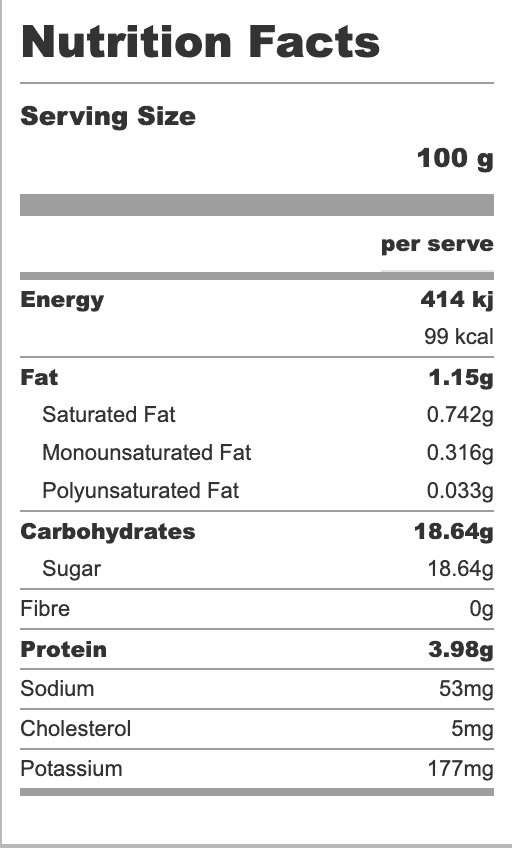
(Source: fatsecret.co.in)
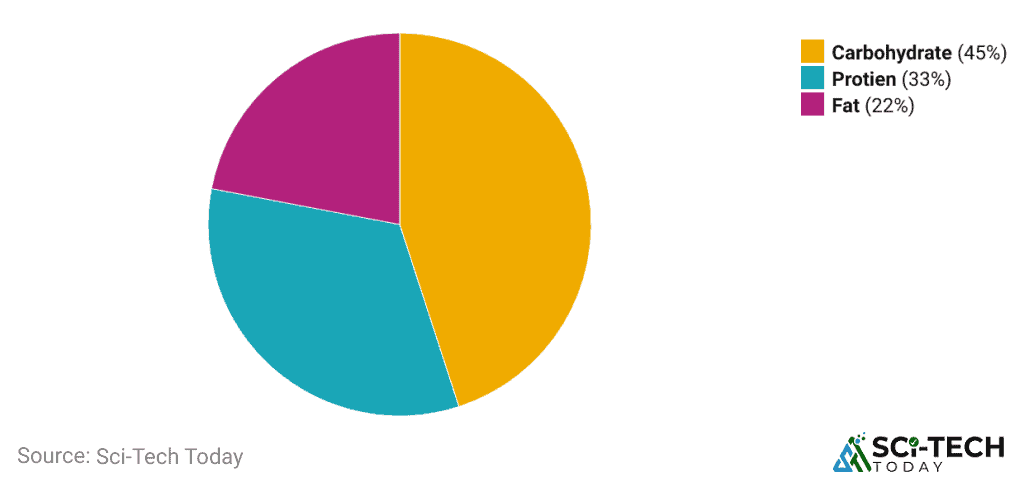
What is Yogurt made of?
(Source: nutritionix.com)
Yogurt is made of Protein (33%), Carbohydrates (45%), and Fats (22%).
Recipes
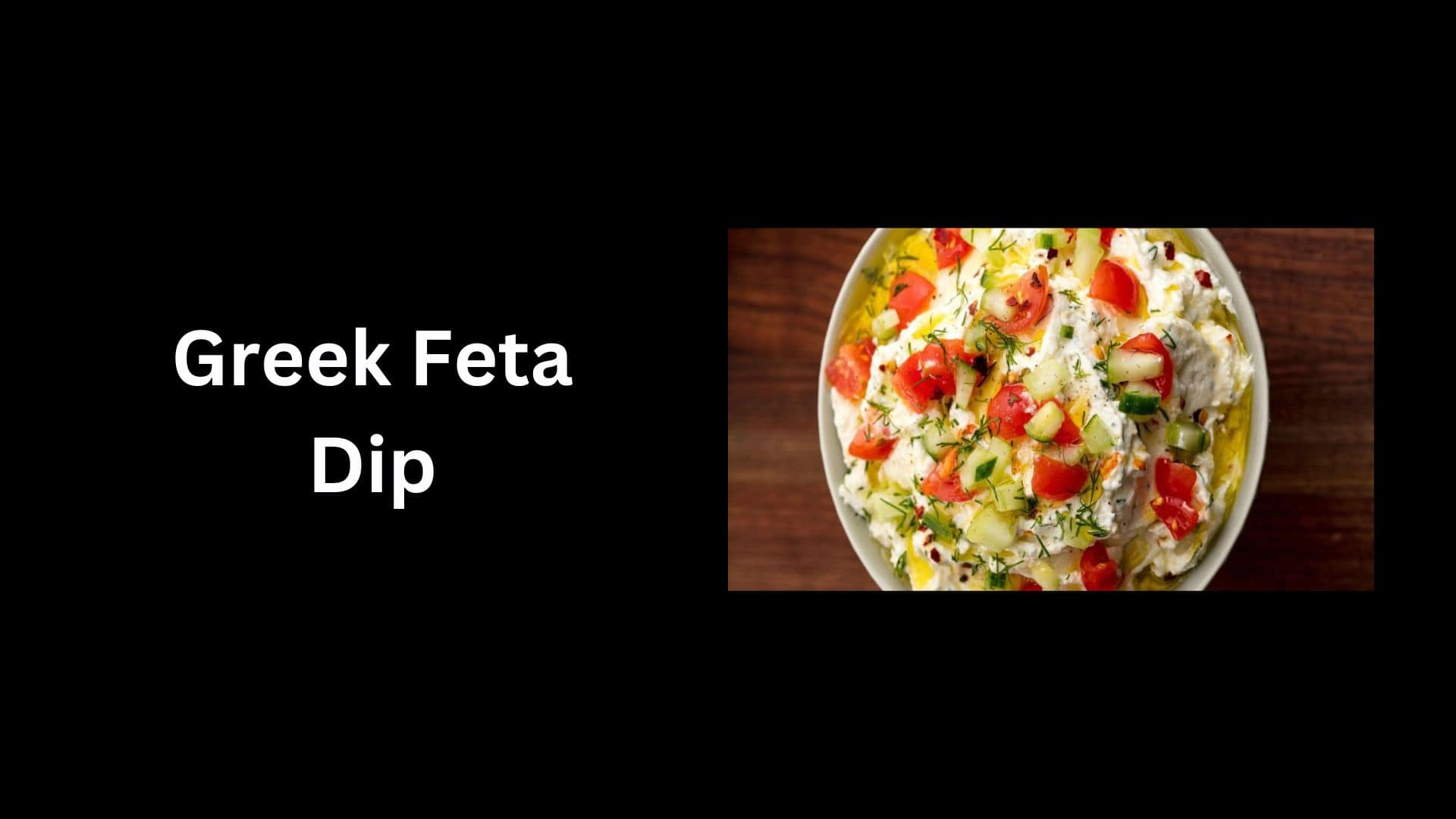
#1. Greek Feta Dip
(Source: delish.com)
Ingredients: 12 oz feta, 2 tbsp freshly chopped dill in addition to garnishing purposes, ½ cup chopped cucumber, pita chips, ½ cup halved cherry tomatoes, kosher salt, crushed red pepper flakes, 1 cup Greek yogurt, 1 softened oz. block cream cheese, ¼ cup extra virgin olive oil, 1 lemon zest.
Instructions:
Take a large bowl, and beat the ingredients with hand mixers, cream cheese, oil, feta cheese, Greek yogurt, oil, and lemon juice, until it becomes fluffy and textured. Add salt according to taste and season with red pepper flakes. Add tomatoes, dill, and cucumber as toppings and drizzle with oil. Serve with pita chips.
What do you get?
Calories – 1965, protein 78g, fat 158g, Carbohydrates 61g
#2. Creamed Brussels Sprouts

(Source: purewow.com)
Ingredients: 1/c cup freshly shredded fontina, 2 tbsp freshly chopped parsley, 3 minced garlic cloves, 1 tbsp extra virgin olive oil, 2 lb. thinly sliced in half brussels sprouts, kosher salt, ground black pepper, 2 lightly beaten eggs, 1 cup greek yogurt, ½ cup mayonnaise, ½ lemon, 2lb/crushed red pepper flakes, ½ cup parmesan.
Instructions:
Heat the oven to 375, and heat the oil in a large skillet on medium heat. Add onions and cook until they become soft. Add garlic and cook until it becomes red, then add Brussels sprouts, red pepper flakes, and cook until they become tender. Season with pepper and salt, and leave it aside for the cooling process.
Take a large bowl and mix mayonnaise, Greek yogurt, lemon zest, eggs, and cheese. Add salt and pepper to taste. Add these ingredients to the cooled vegetables and move them to a medium baking dish. Bake it until it becomes golden, and the cheese comes to a boil. Season with red pepper flakes, parmesan, and parsley, and serve hot.
What do you get?
Calories 375, Carbohydrates 12g, Fat 28 g, Protein 18g
#3. Raspberry Almond Pound Cake
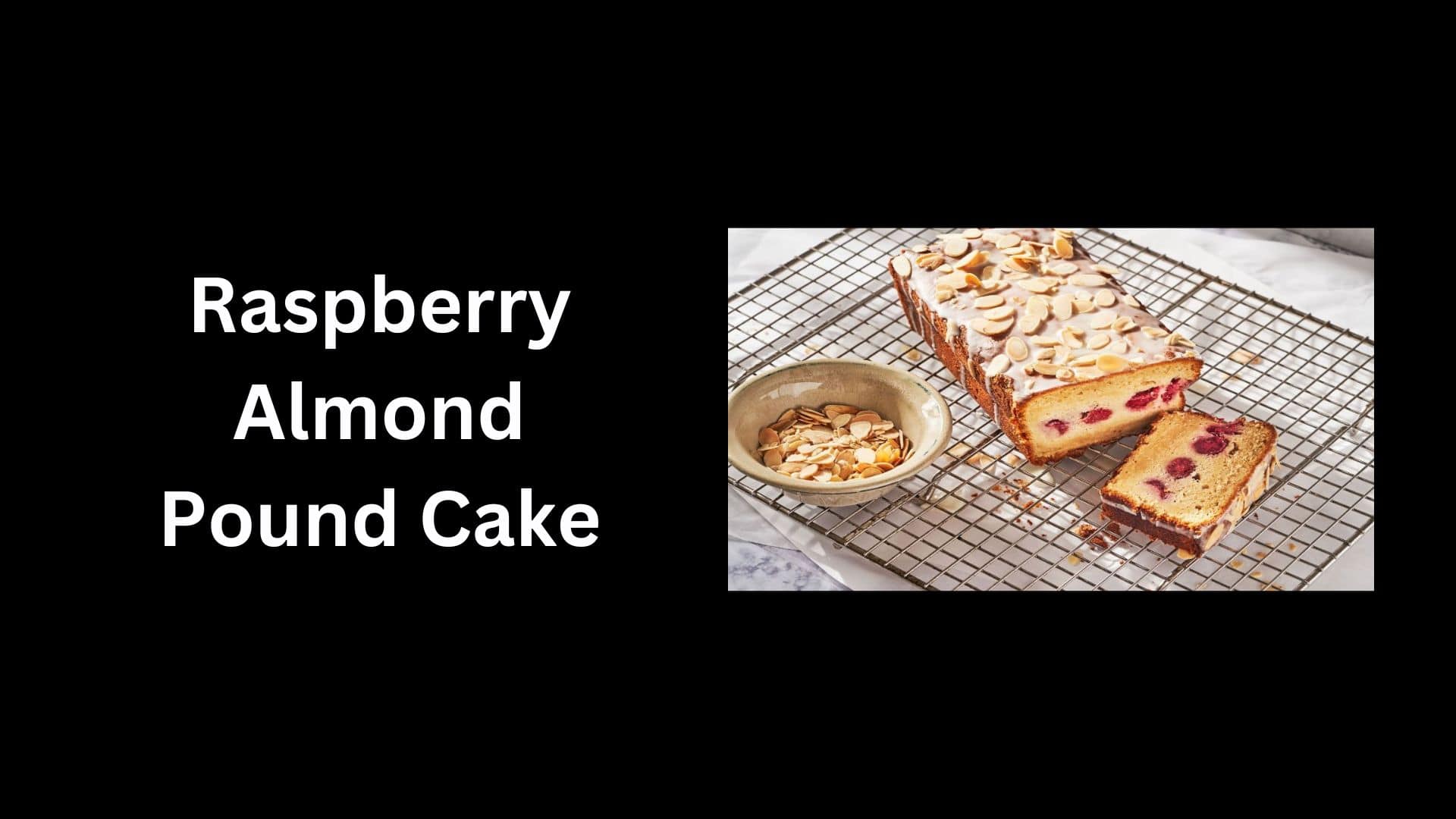
(Source: pinterest.com)
Ingredients: 3 large eggs, ¾ cup yogurt, ½ tbsp kosher salt, 1 tbsp baking powder, ¾ cup almond flour, 1 ½ cups all-purpose flour, ½ cup packed brown sugar, 1 container raspberries (washed and dried), 1 cup softened butter, ½ cup powdered sugar, ¼ cup toasted sliced almonds, 1 tbsp milk, ½ cup packed brown sugar, ½ cup granulated sugar.
Instructions
Preheat the oven to 370° and grease the loaf pan using cooking spray. In a separate bowl mix salt, baking powder, and flour. In a large bowl, beat butter and sugar. Add eggs after the interval, then add almond extract. Add yogurt and beat until well-mixed. Add half the batter to the loaf pan and top with raspberries in layers. Insert a toothpick to check if it is baked; if baked, the toothpick will come out clean.
In another bowl, mix milk and sugar; spread it on the cooled pound cake, and top with toasted almonds. Let it sit for 10 minutes.
What do you get?
Calories 463, Fats 28g, Carbohydrates 44g, Protein 8g
Conclusion
Yogurt is the most effective way to lose weight and maintain the digestive system. Yoghurt has a good amount of nutrients, which allows consumers to maintain their health naturally and avoid future health diagnoses. Today, yogurt is available in many variants and has already reached its market in billions globally.
Although curd and yogurt look the same, they are different, and we have explained the difference in this article about the calories in yogurt. Moreover, there are multiple food pairings with which yogurt brings a mouth-watering taste. Therefore, having a good amount of yogurt in a diet will help you support your health.


