








Introduction
Pasta Nutrition Facts: One of the most consumed types of traditional dish, made from eggs, water, and durum wheat, is Pasta. The terms pasta and noodles are almost synonymous. Since both dishes are made using durum wheat and other similar ingredients, they fall under the same category. Around the world, multiple types of mouth-watering pasta dishes are made and consumed every day.
Reports say that between 2023 to 2028, the Pasta market in the United States of America is expected to grow at a 7.96% CAGR of reaching $8.86 billion by the year-end of 2023. We have identified how many calories are in pasta while cooking Macaroni and Cheese Pasta for our dinner.
Types of Pasta
#1. Ziti
 (Source: simplyrecipes.com)
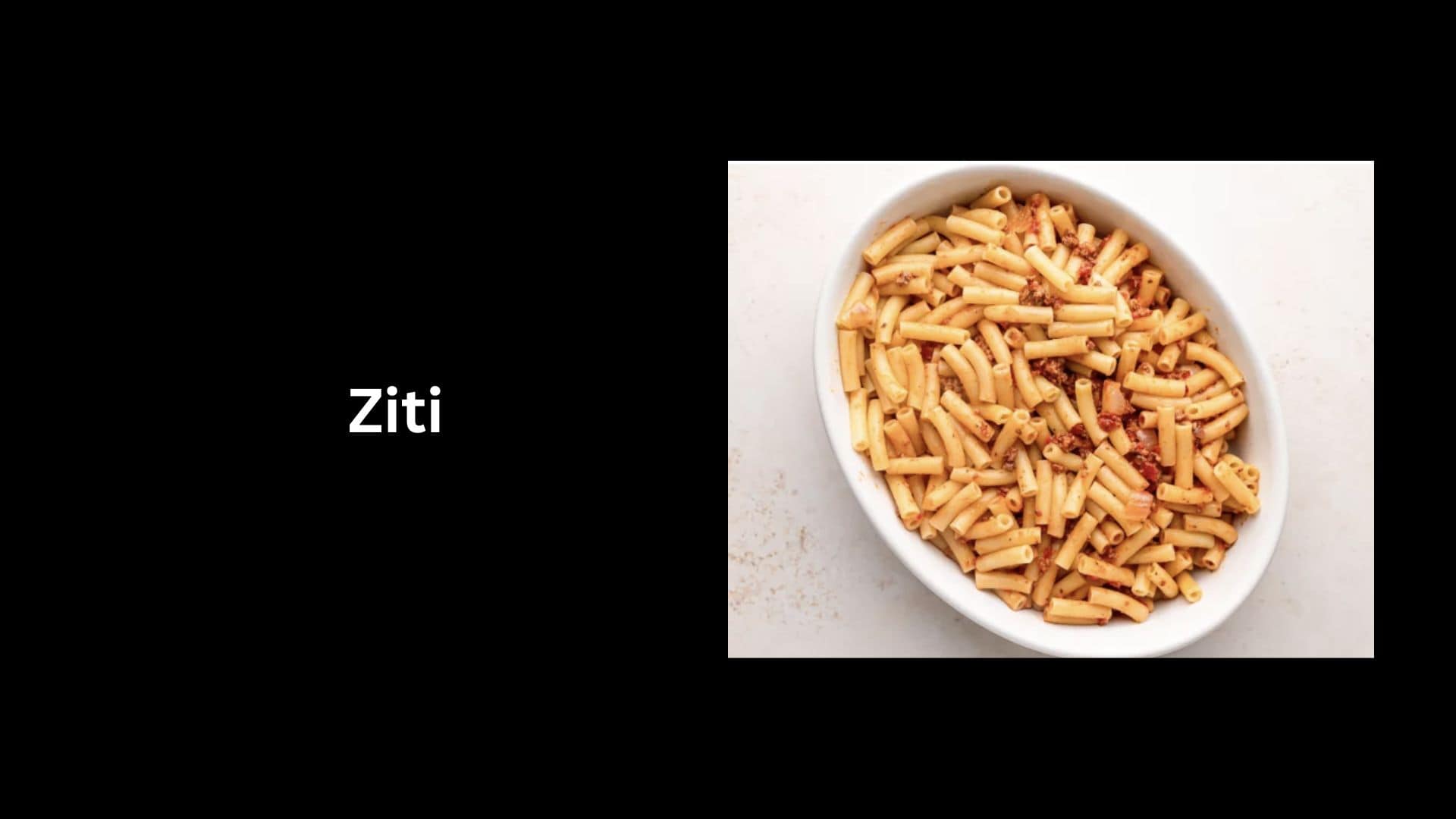
The word Ziti has been derived from the Italian word for single women, zitelle. Having a meaning of such importance, this type of pasta is often offered during weddings. Ziti is commonly served with meat ragù. It has a long, noodle-like shape but is hollow in the center.
#2. Vermicelli
 (Source: thespruceeats.com)
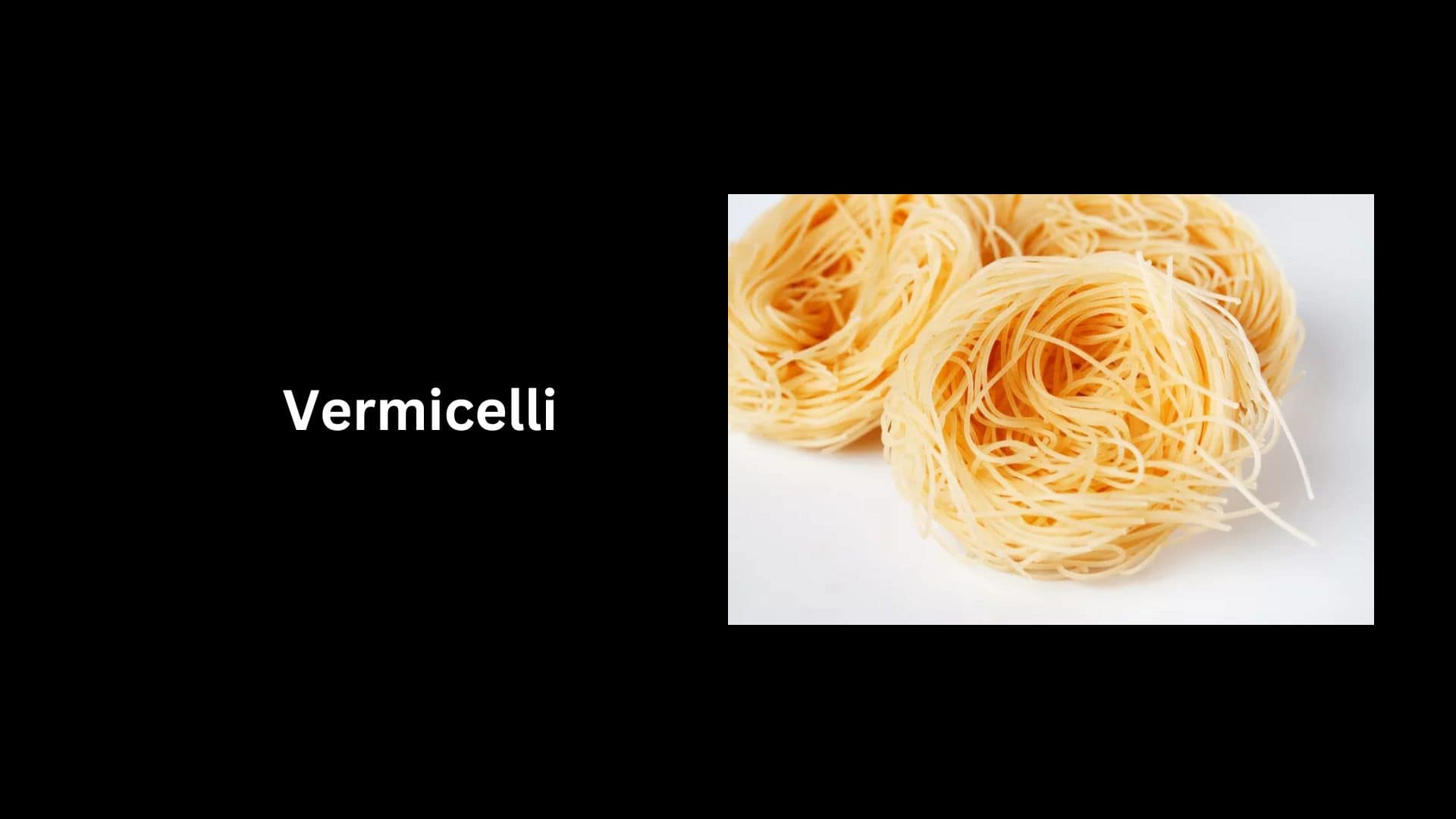
Vermicelli is a type of pasta which has a noodle-like shape and is made from rice noodles, eggs and durum wheat. The shape of this pasta is much thicker than spaghetti. The word Vermicelli is derived from southern Italy meaning little worms.
#3. Spaghetti
 (Source: aheadofthyme.com)
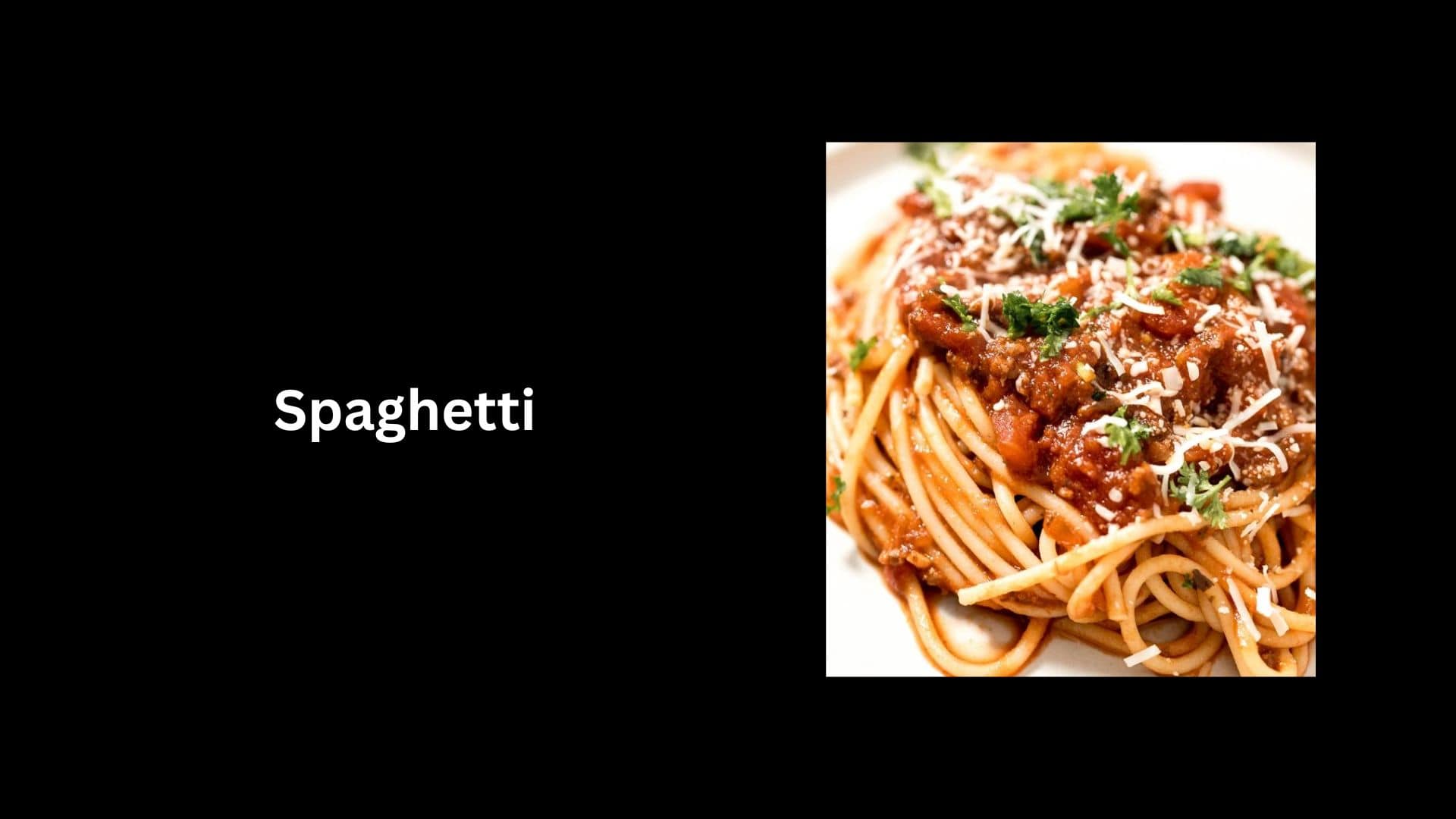
Spaghetti is one of the most popular types of pasta around the world. The texture of this type is neither too thin nor too thick. Spaghetti is a great combination for sauces that are olive oil-based.
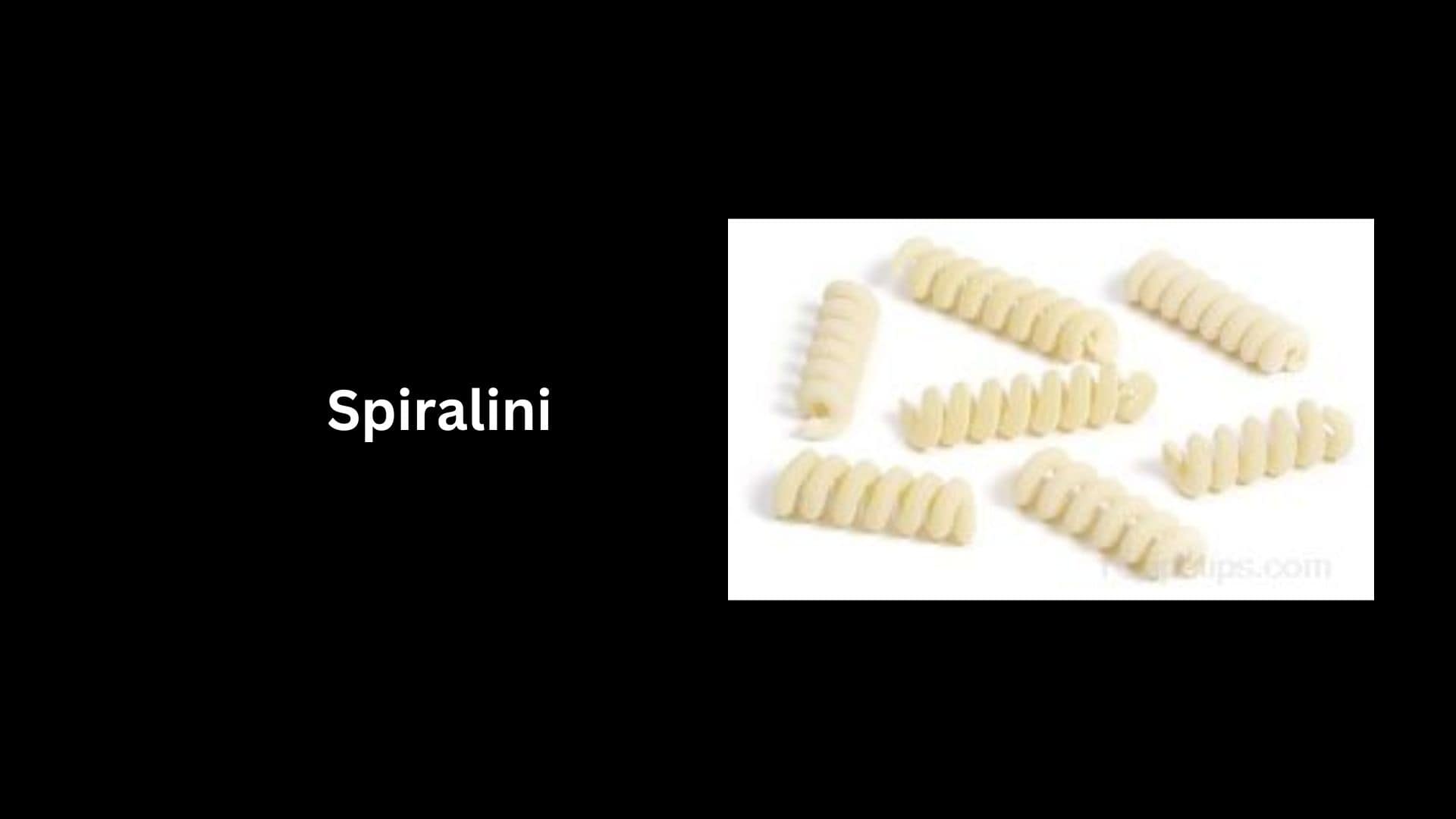
#4. Spiralini
 (Source: recipetips.com)
As the name suggests, this type of pasta has a spiral shape and is greatly compatible with meat or vegetable cubes. The shape of the internal part of this pasta has a capacity to hold a good amount of sauces, which gives a great taste to the final dish.
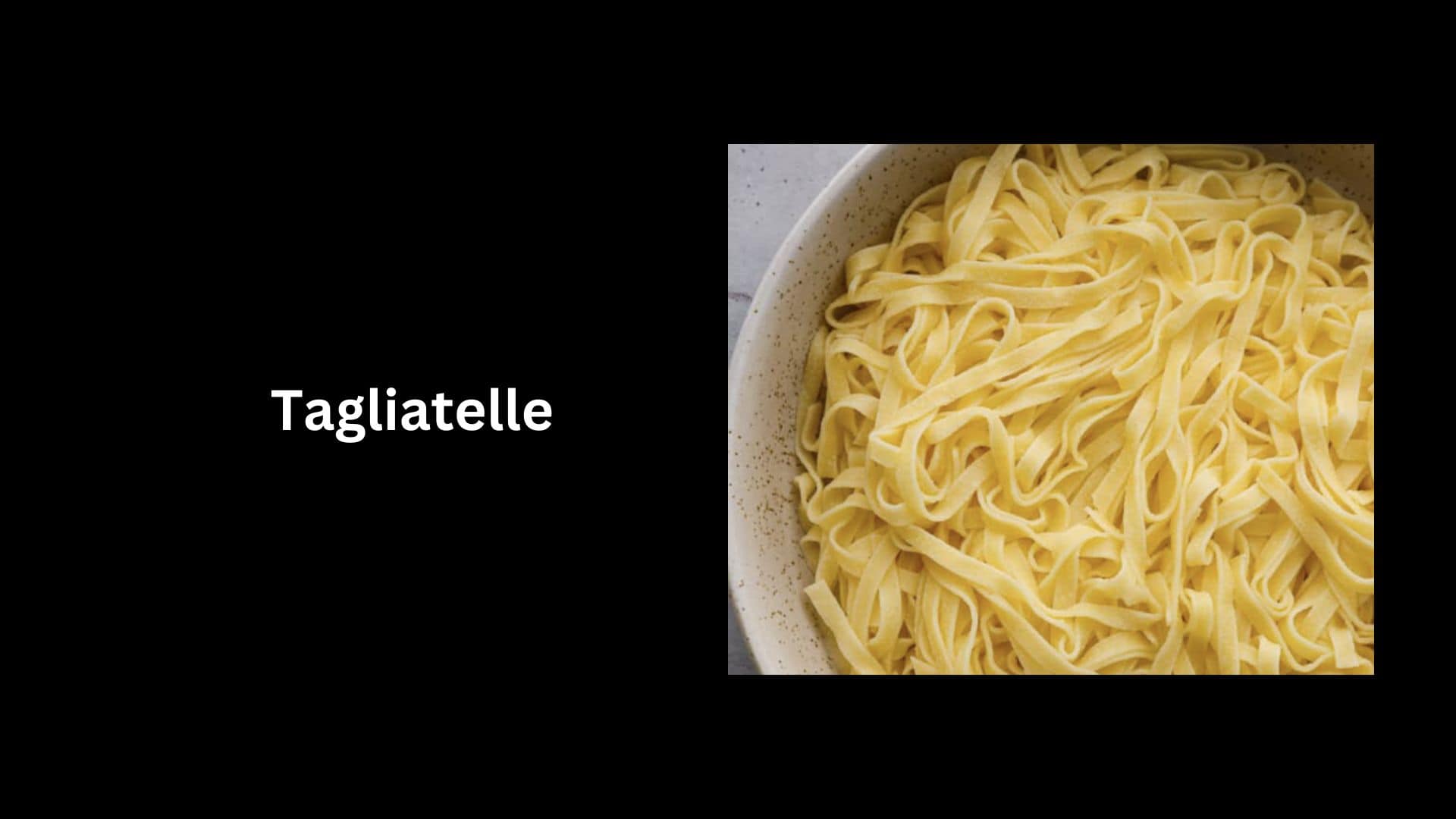
#5. Tagliatelle
 (Source: therecipecritic.com)
The texture of this pasta is tougher than other types. Thick sauces are a great match for Tagliatelle.
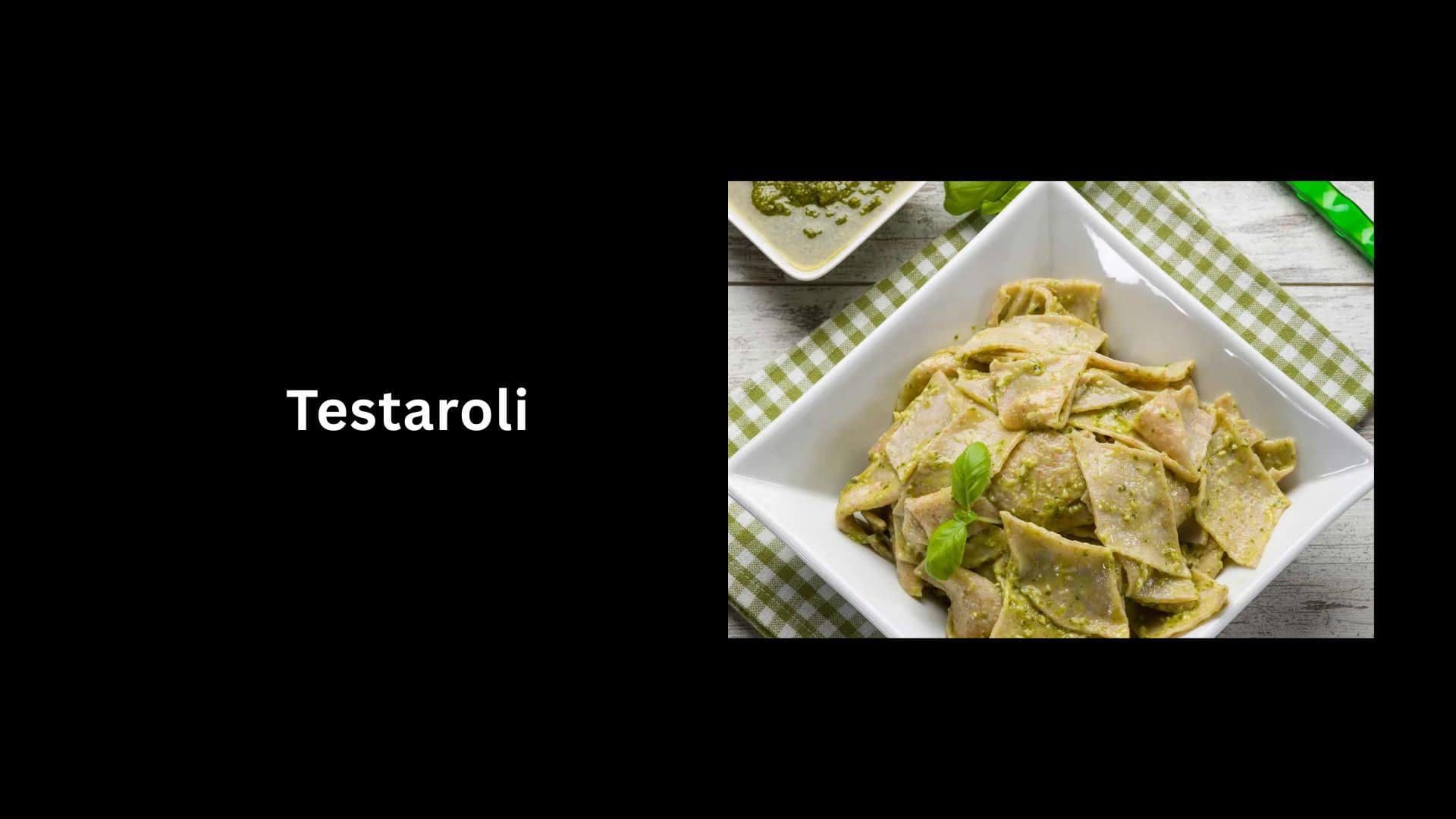
#6. Testaroli
 (Source: doeatbetterexperience.com)
Originating from Liguria, Italy has a pancake-like texture.
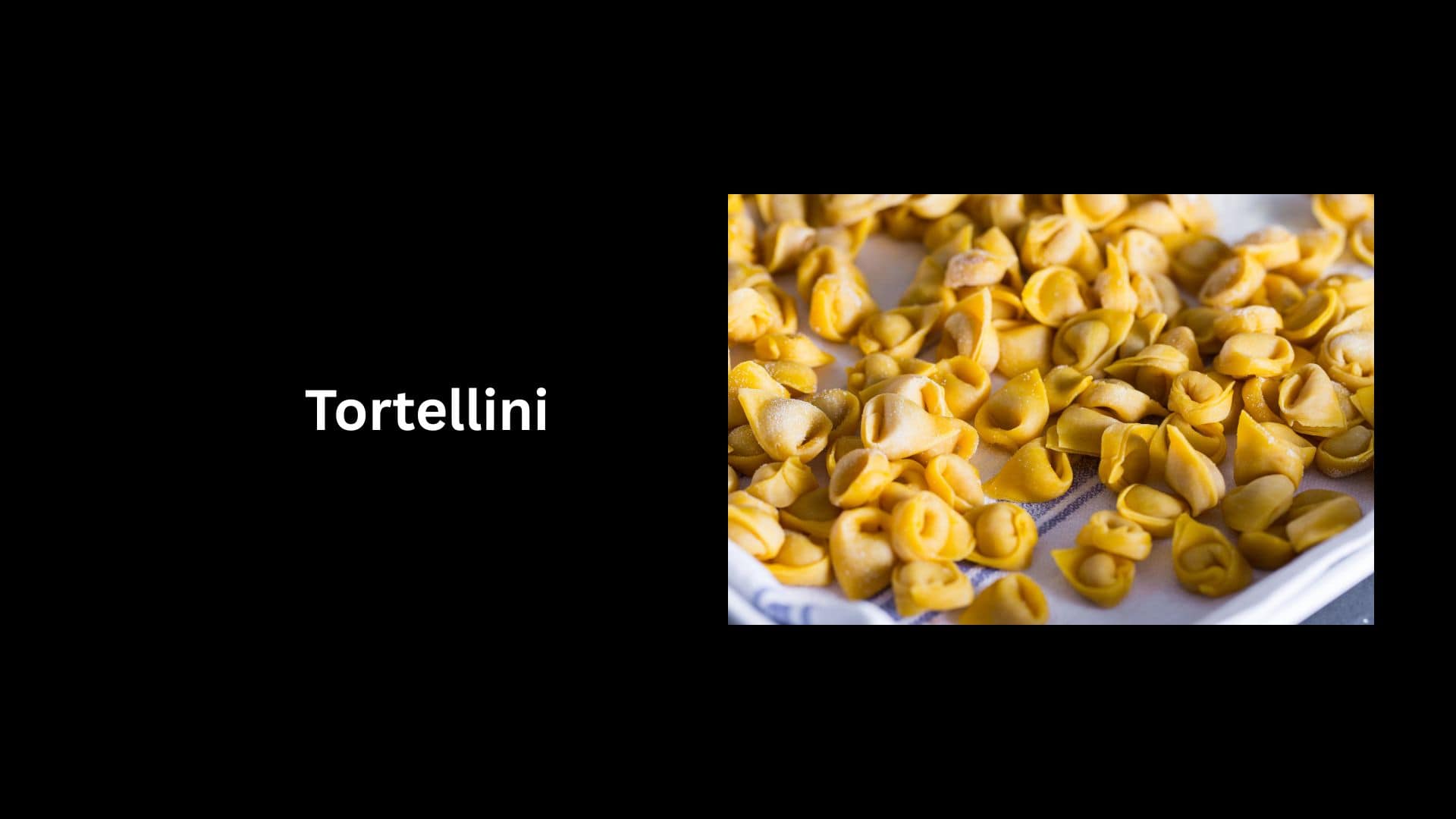
#7. Tortellini
 (Source: giallozafferano.com)
This type of pasta has a ring-shaped, small texture and is greatly paired with cheese, meat, or vegetables. It originated from Emilia-Romagna, Italy.
#8. Rotini
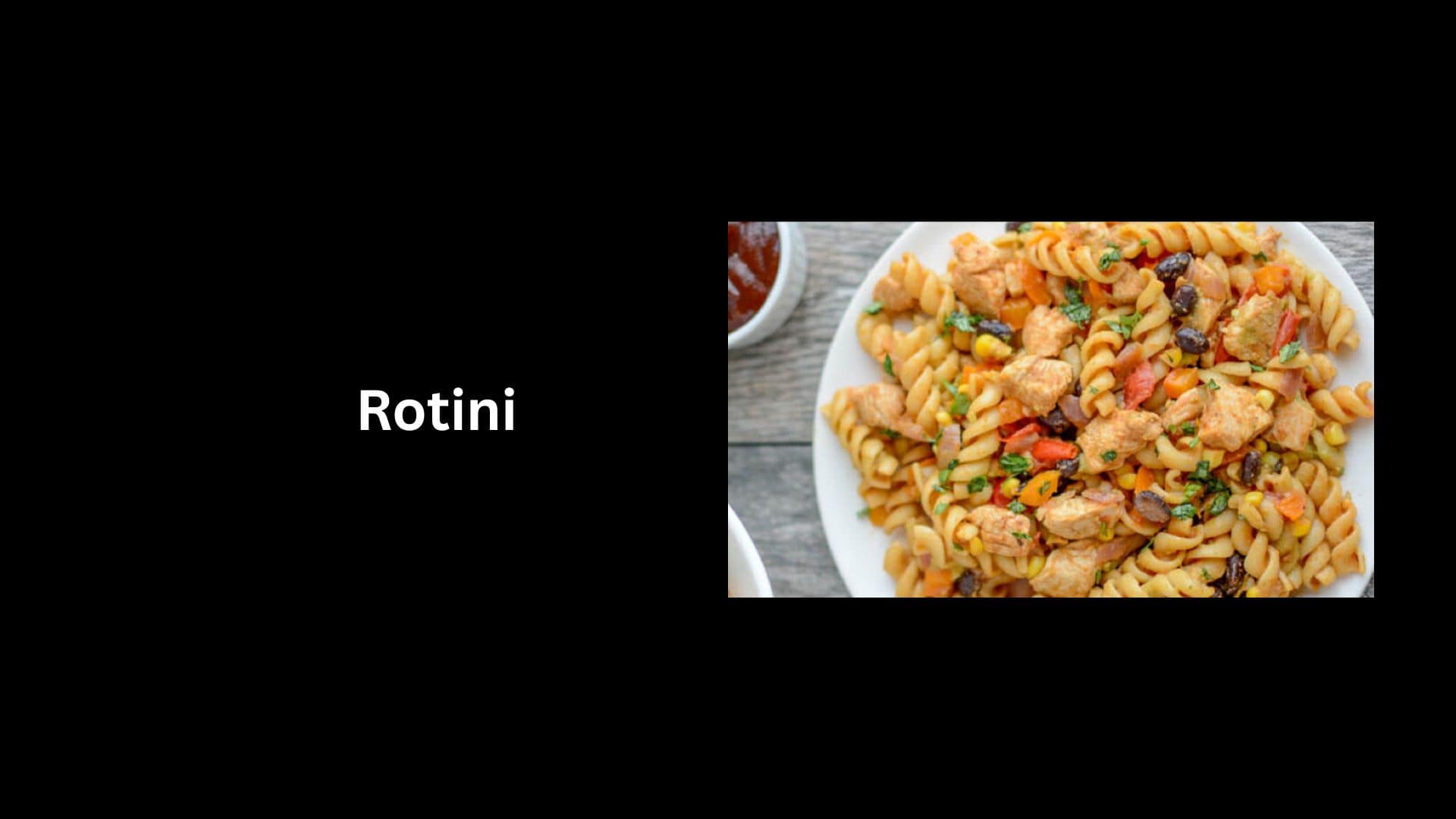 (Source: dreamfieldsfoods.com)
Rotini has a twisted spiral shape that gives a chewy texture and has the capacity to hold sauces as well. It originated in Southern Italy.
#9. Rigatoni
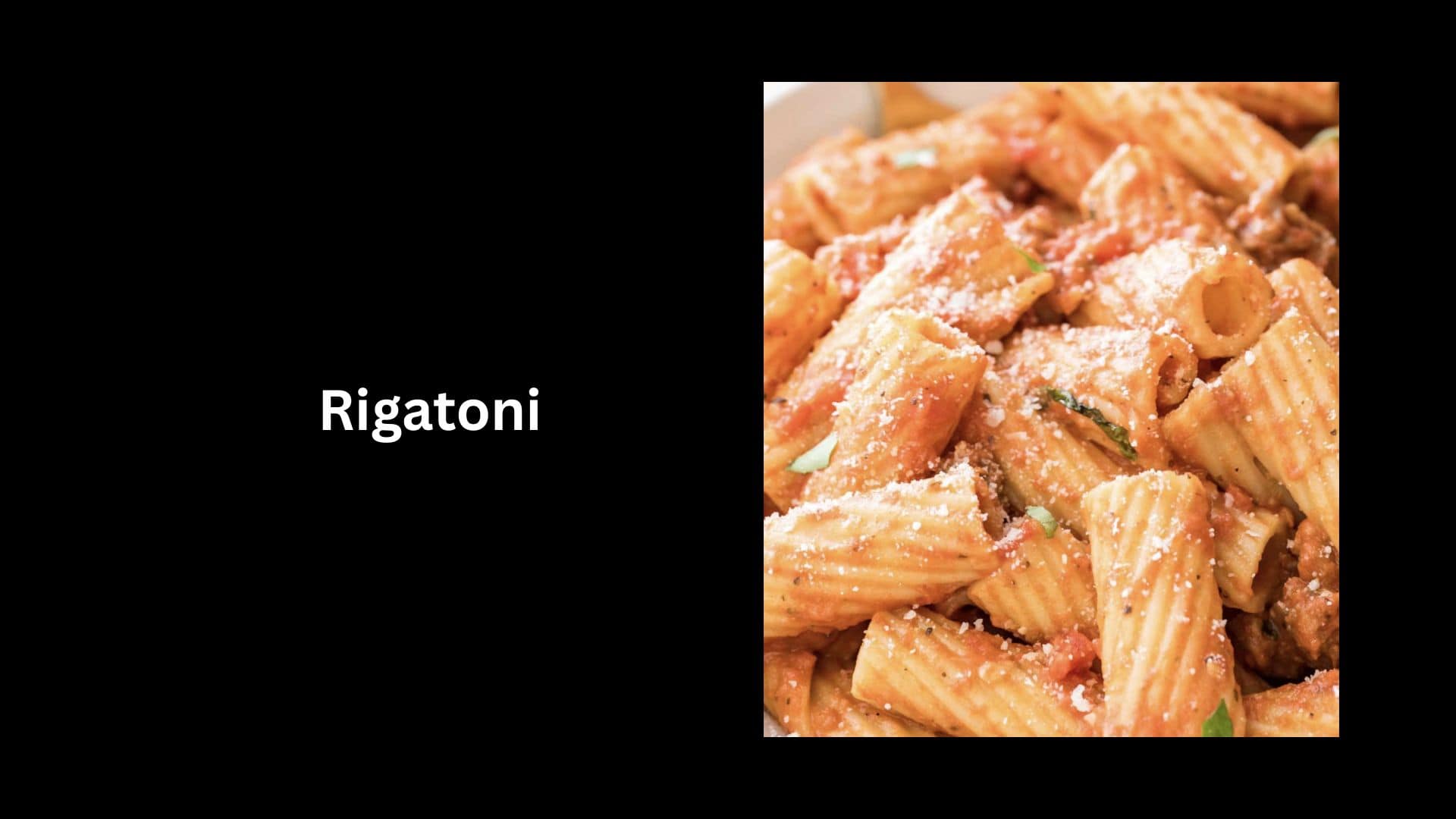 (Source: sugarspunrun.com)
Rigatoni comes with a tube-like shape, just like other round-shaped pasta, which can hold sauces. Rigatoni originated from Central and Southern Italy.
#10. Rotelle
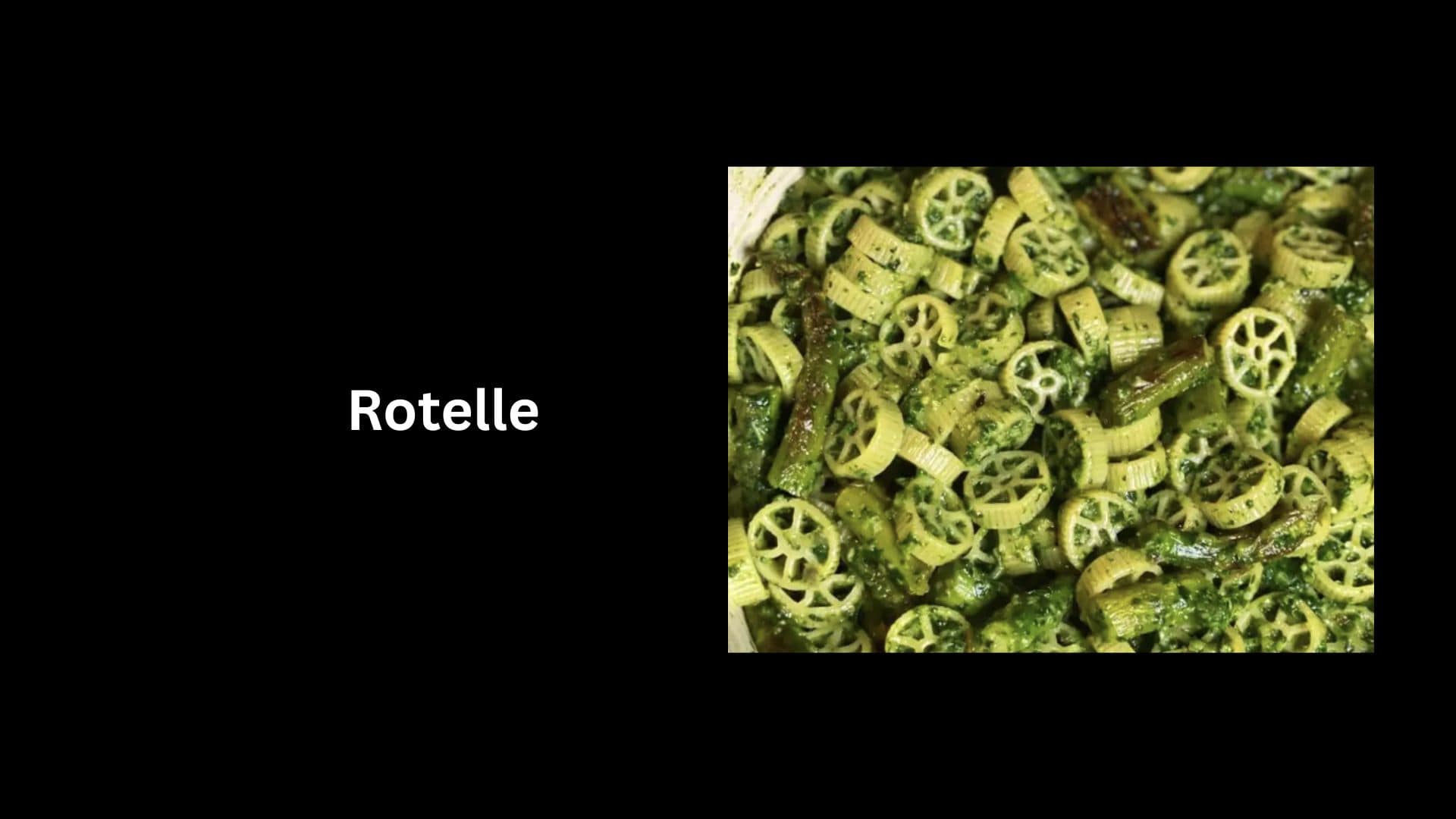 (Source: yummly.com)
In Italian, Rotelle refers to a small wagon wheel, and this pasta has a similar shape to that of has been named after. It gives a chewy texture and can be a great fit with salads and soups.
#11. Ravioli
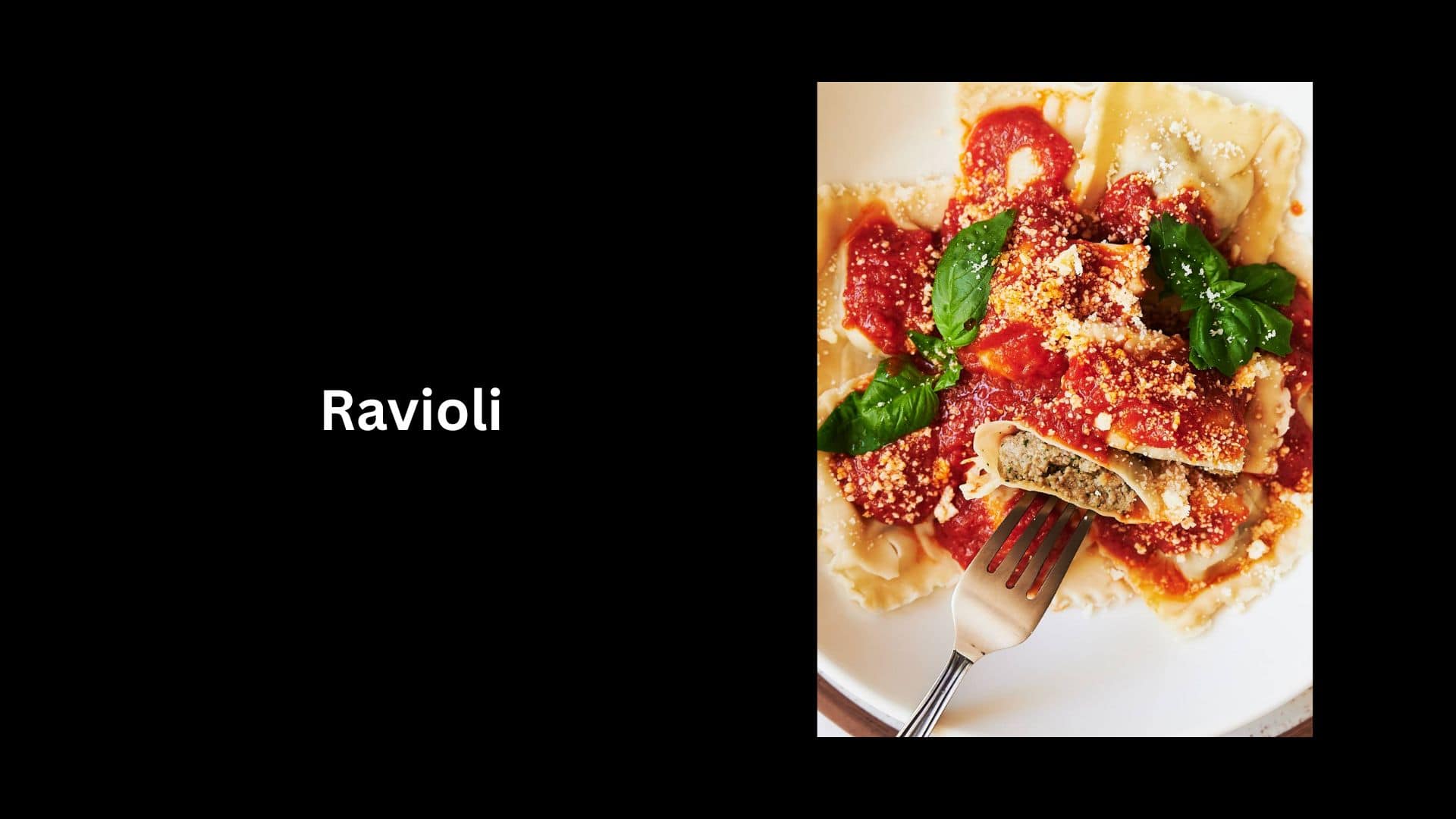 (Source: josieandnina.com)
Ravioli pasta has a square shape and is tender as well as smooth texture. It can be paired with meat, vegetables, and cheese.
#12. Pici
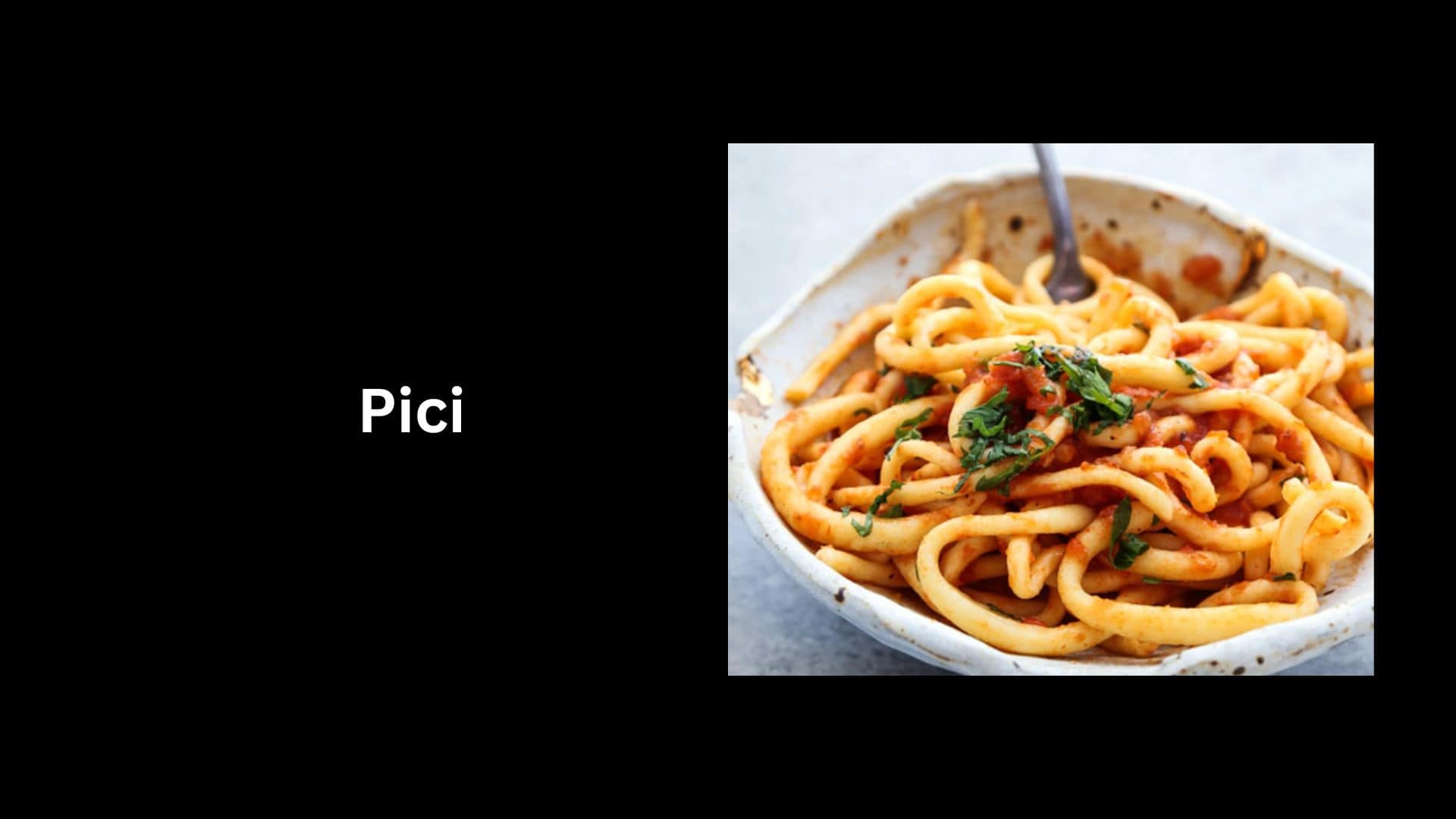 (Source: sidechef.com)
Pici Pasta has a thick and fat spaghetti-like texture. It also feels chewy. It originated from Pici, Italy.
#13. Radiatori
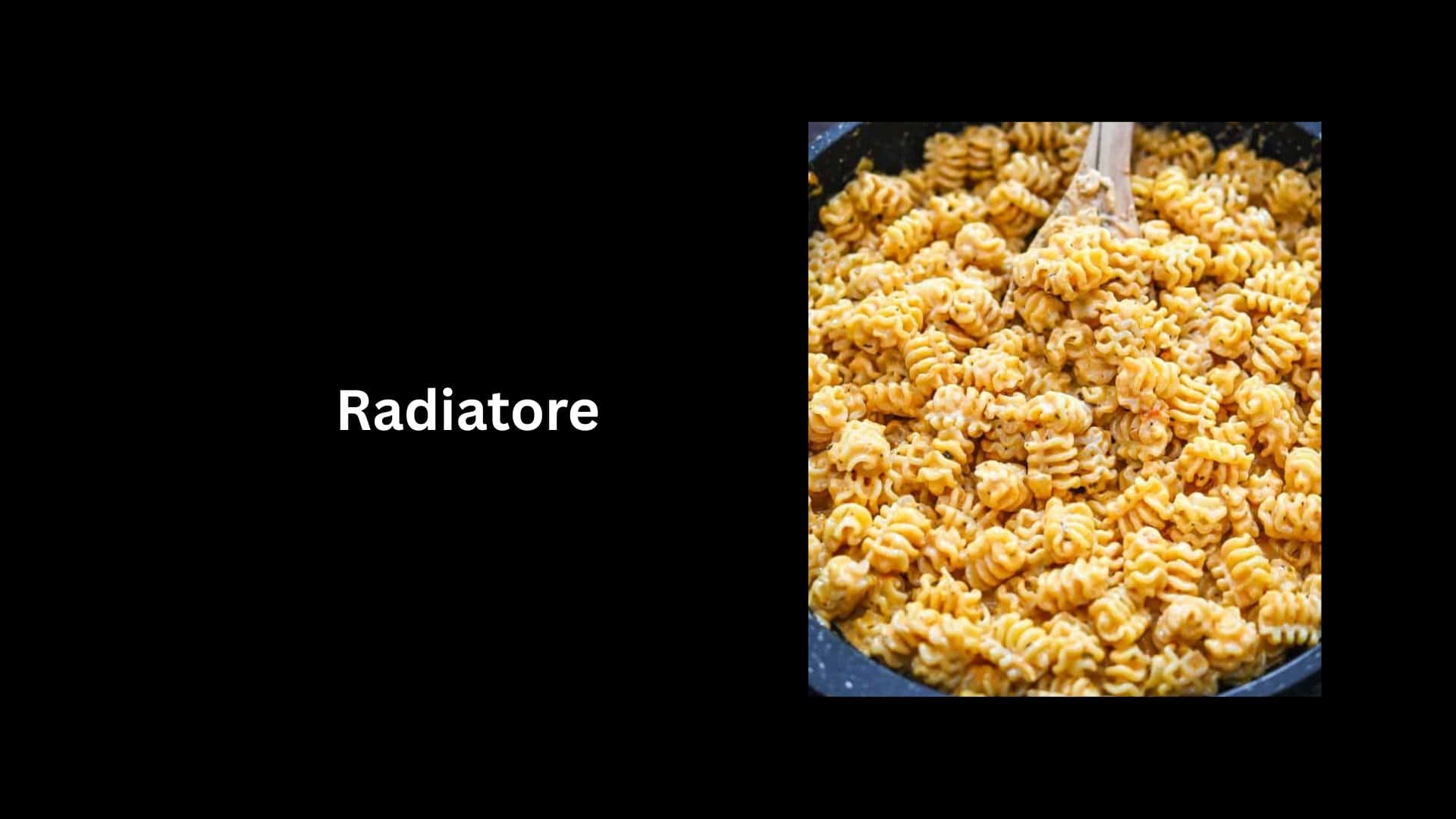 (Source: cooktoria.com)
The shape of this pasta is similar to radiator fins, and it has a chewy and firm texture. It can perfectly hold sauces for a greater taste.
#14. Passatelli
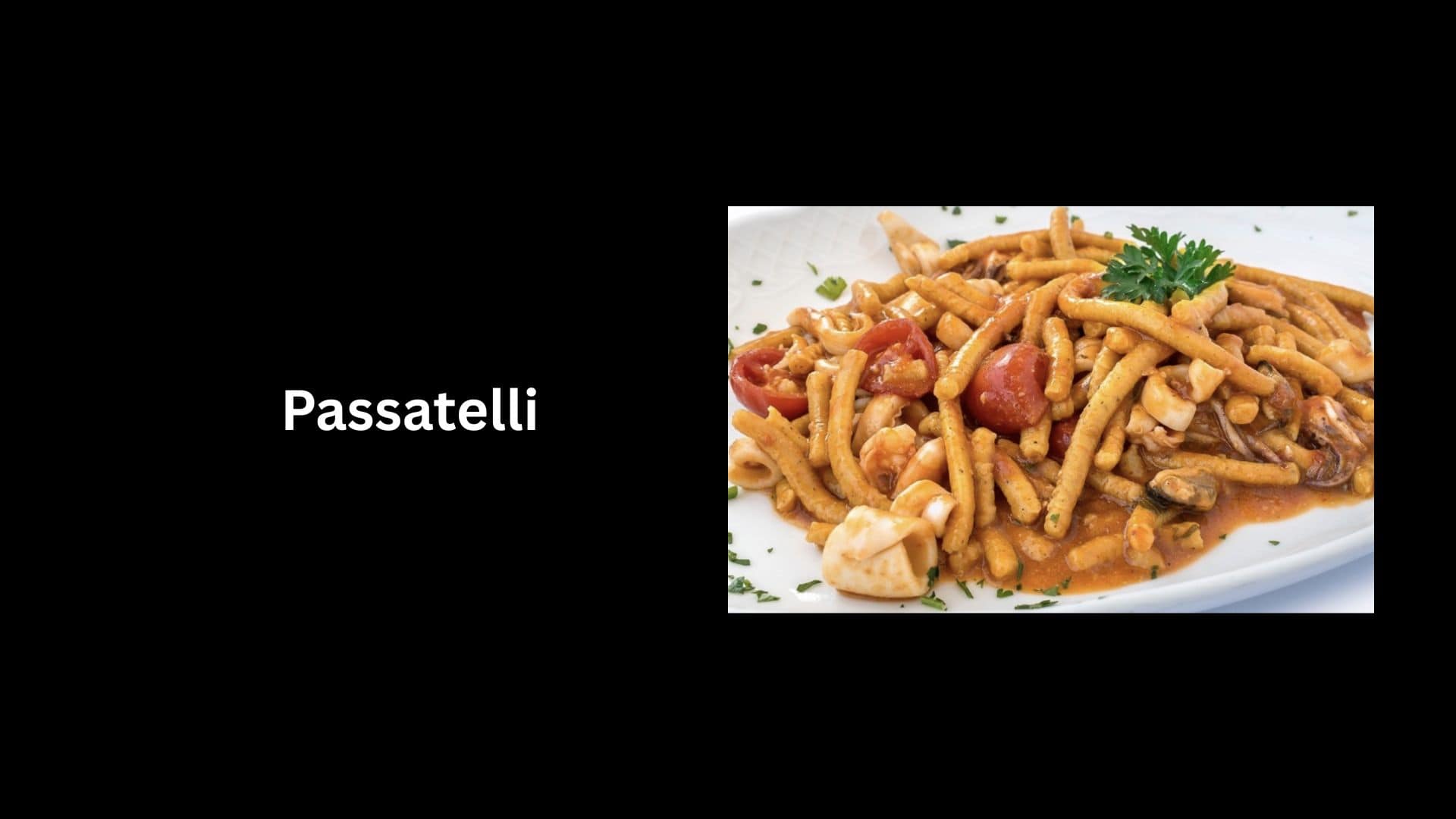 (Source: zodiacorimini.it)
This pasta originated from Emilia-Romagna, Italy. It is a unique type because it’s made from nutmeg, breadcrumbs, eggs, and Parmesan cheese. It comes with a dumpling-like texture.
#15. Pastina
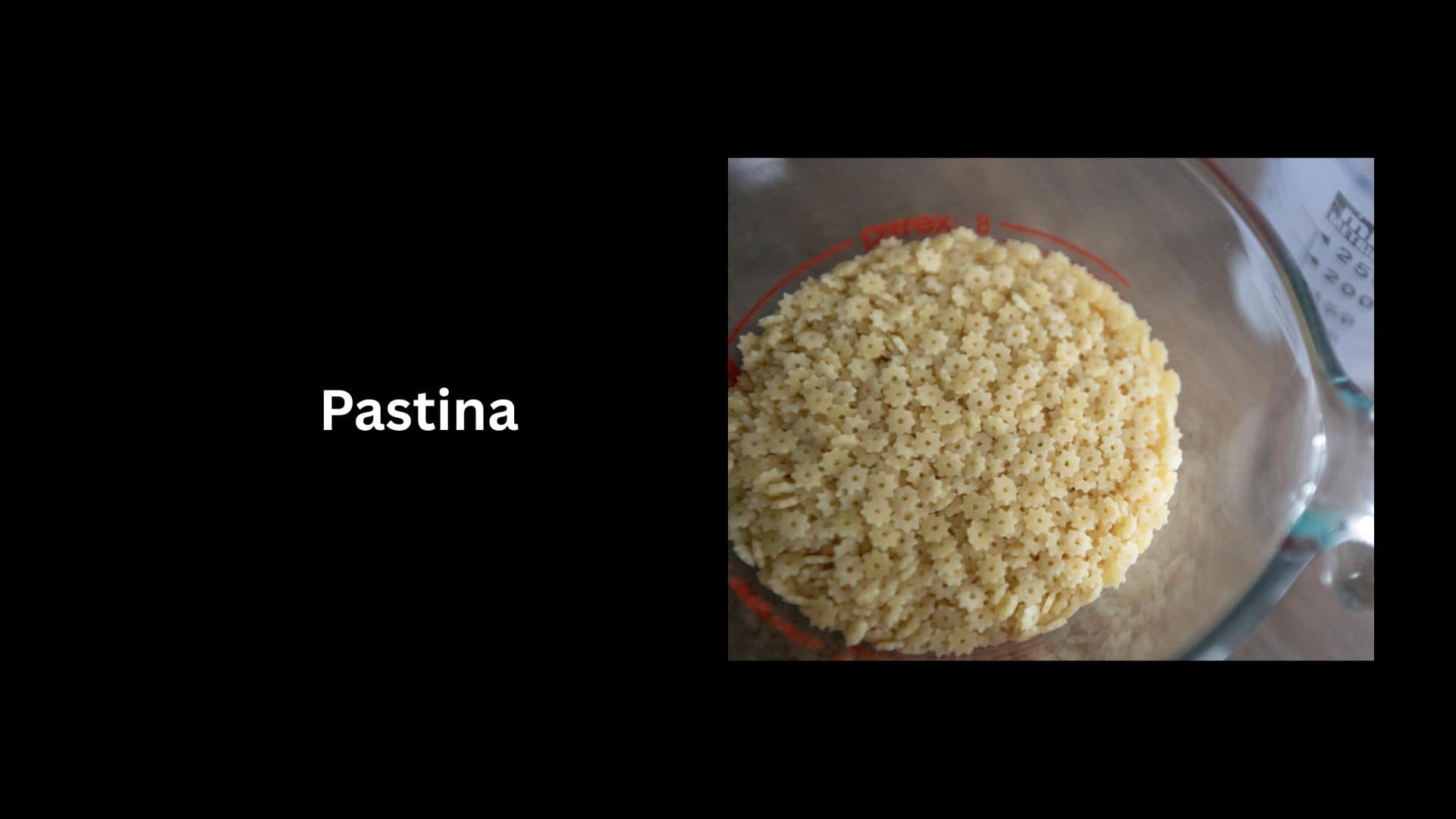 (Source: foodmakesmehappy.com)
Patina can be identified by the shape of small stars. It has a smooth and tender texture.
#16. Penne
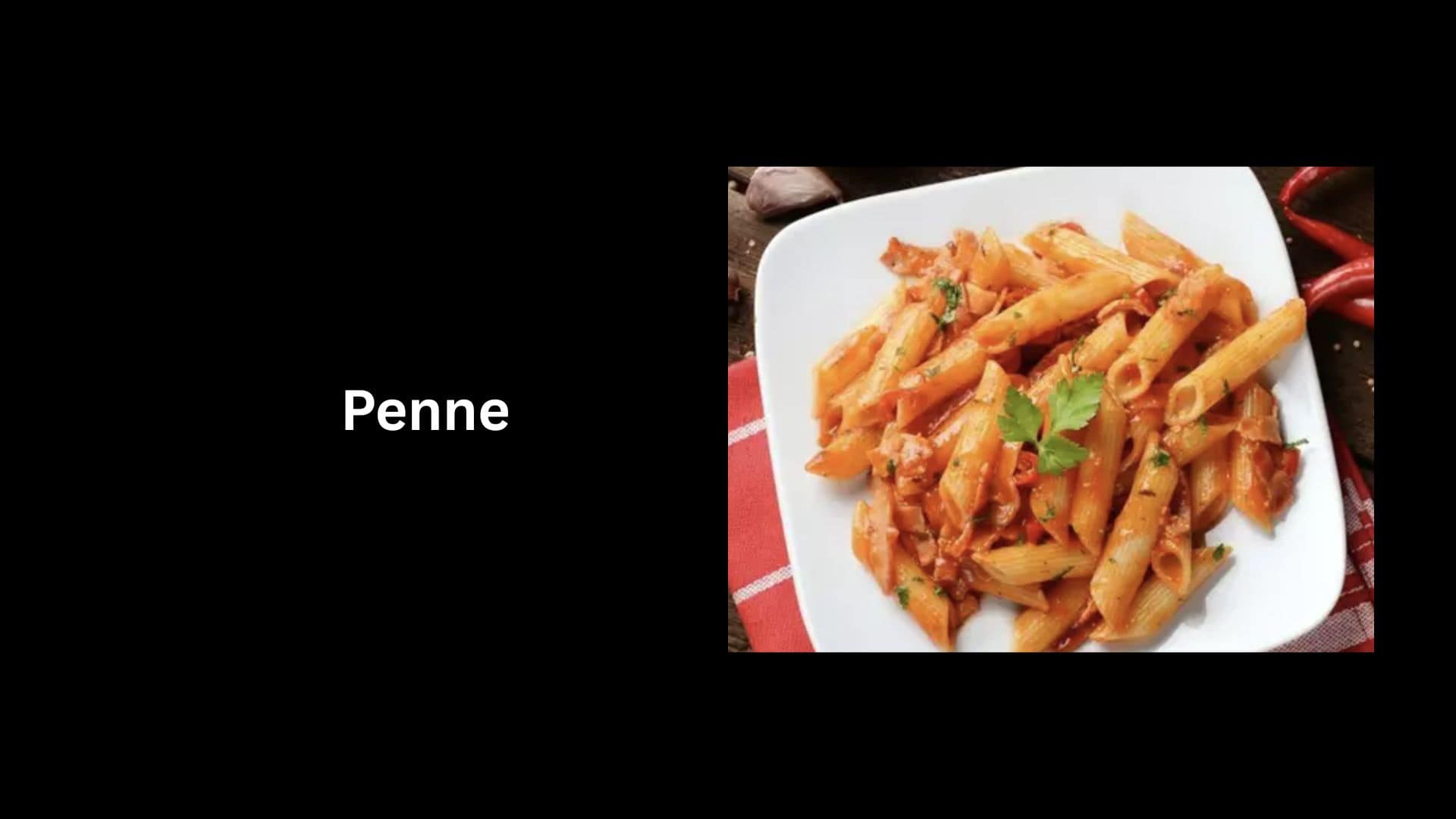 (Source: timesofindia.com)
Another most consumed type of pasta around the world is Penne pasta. It has a small tube-like shape and a firm and moderately chewy texture.
#17. Mezzelune
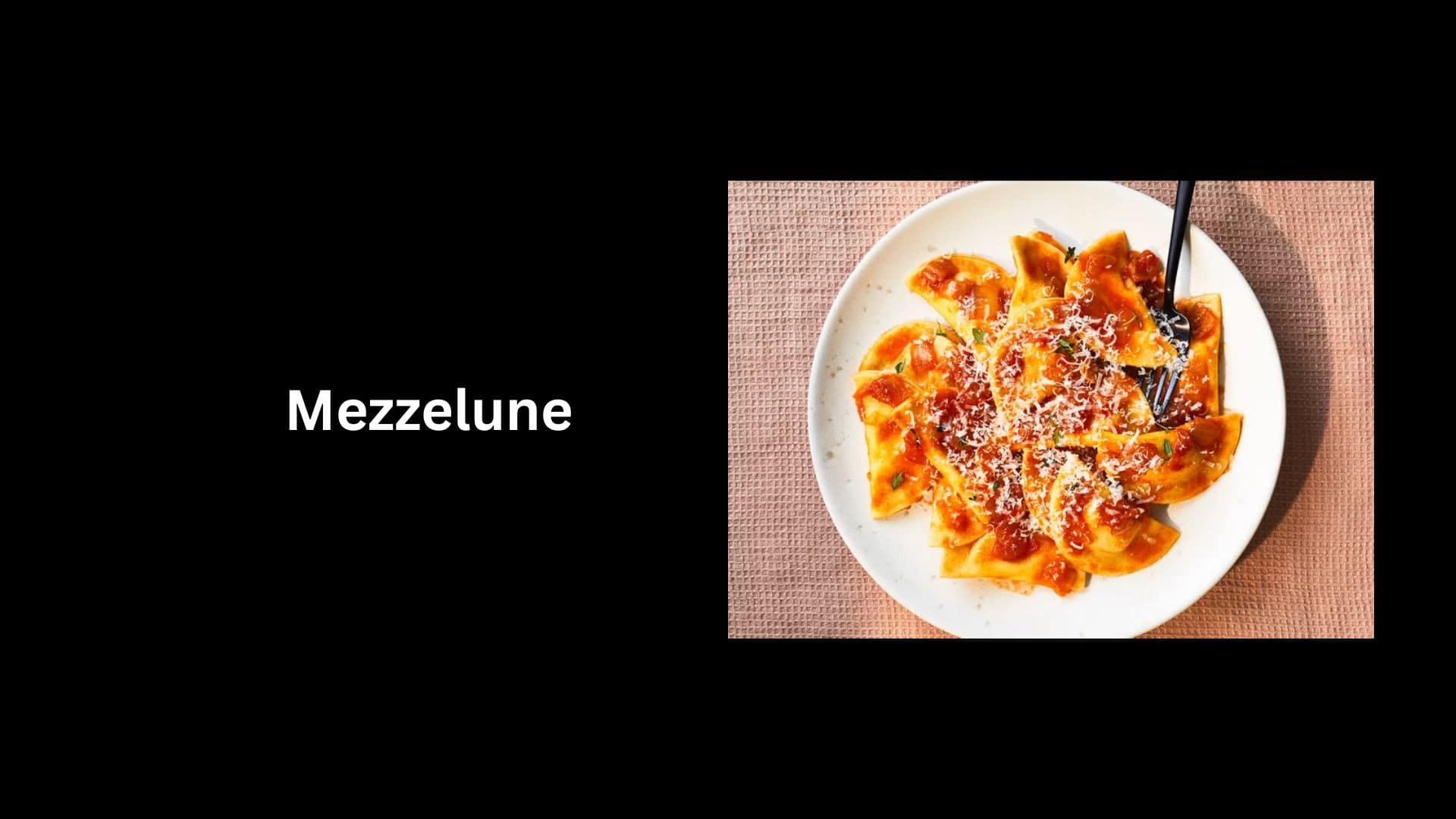 (Source: foodandwine.com)
Derived from Italian wod, Mezzeline bears the meaning of half moons. It has a half-moon shape and is a great pair for vegetables, cheese, and meat.
#18. Orzo
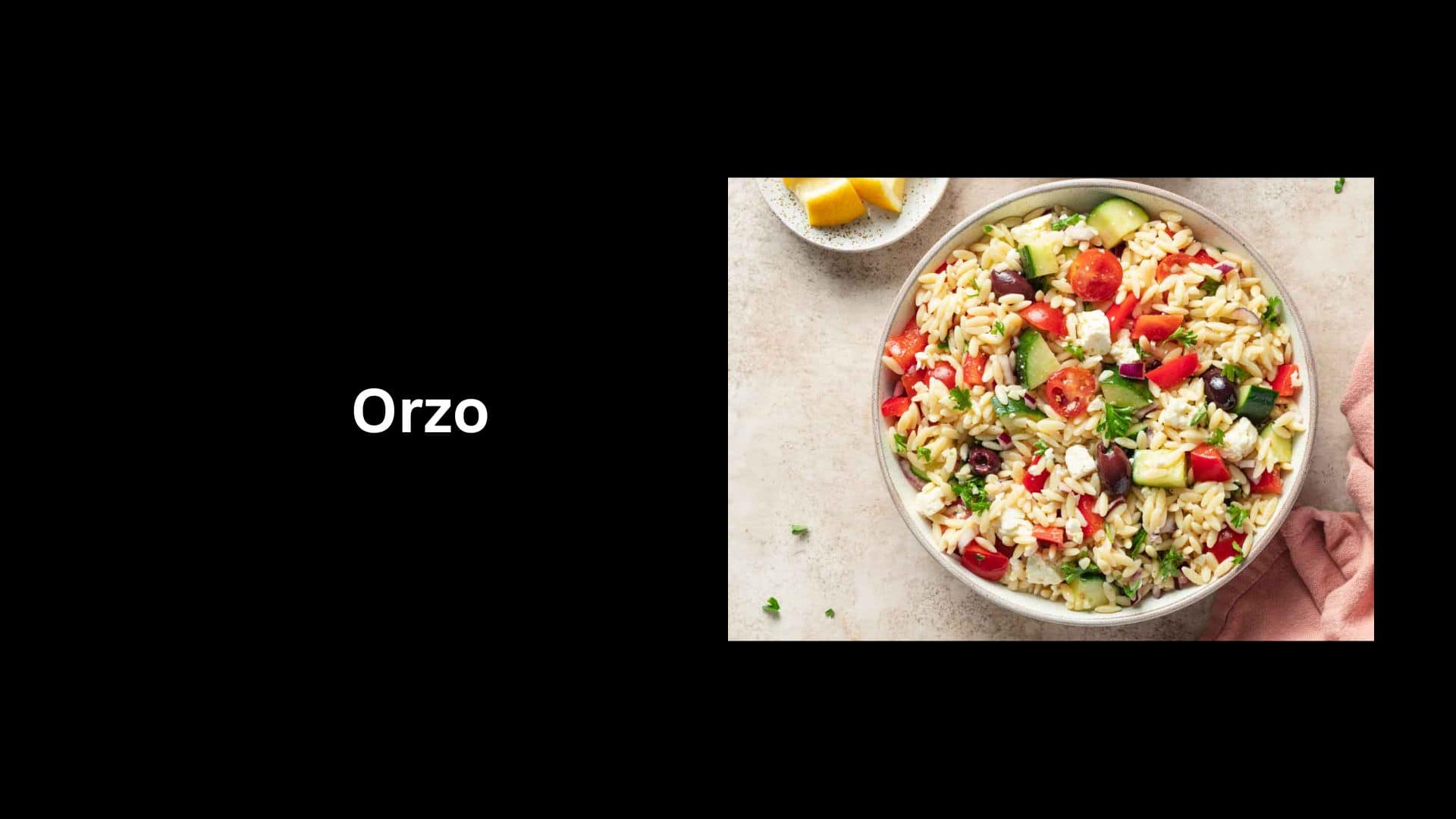 (Source: crumbtopbaking.com)
Orzo has a chewy texture and is commonly used for pilafs, salads, and soups. It has a rice shape and appears small in size.
#19. Orecchiette –
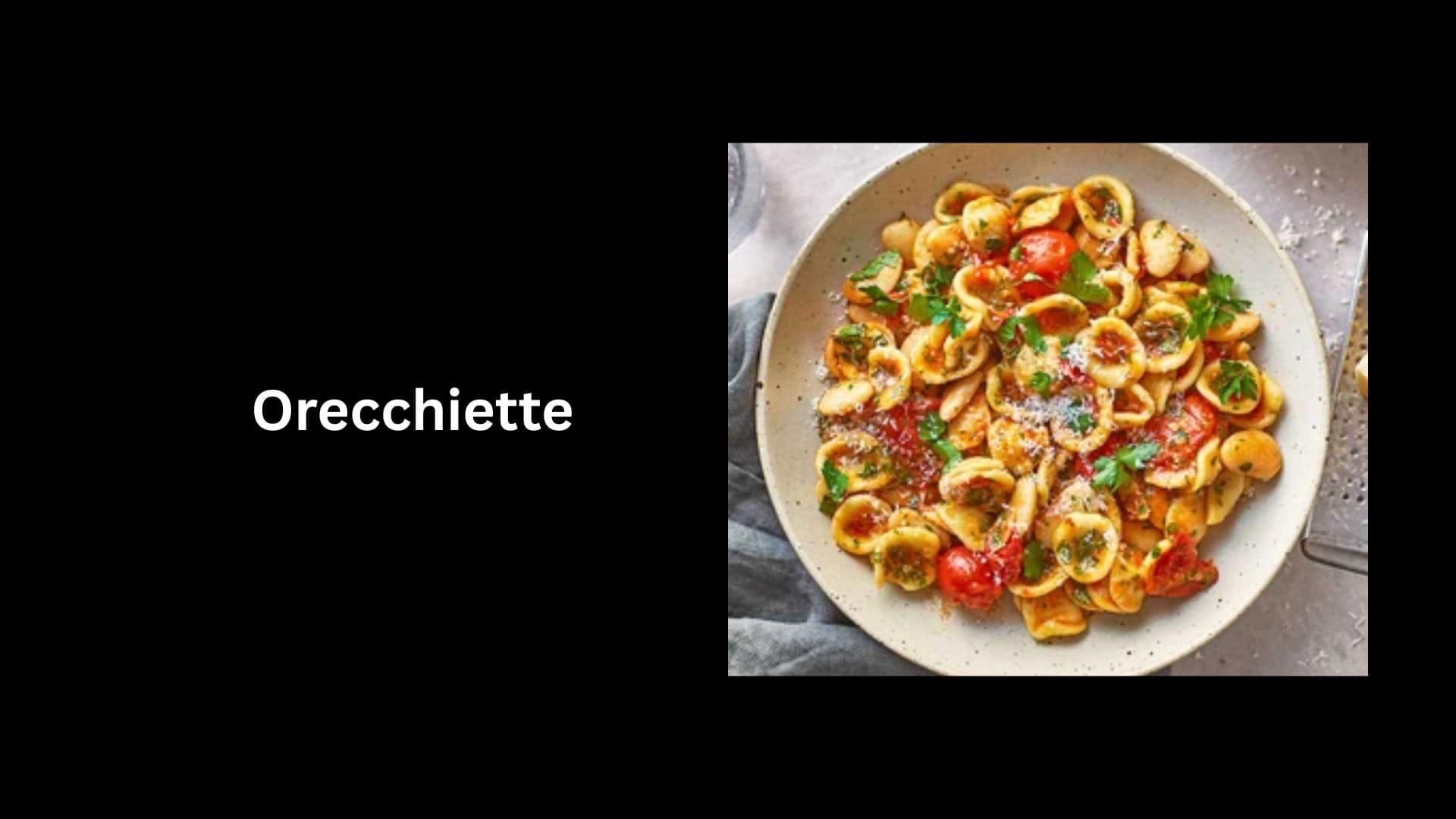 (Source: bbcgoodfood.com)
Comes ear shaped and small sizes. It also has a chewy texture. It originated from Apulia, Italy, and is compatible with vegetable-based sauces.
#20. Pappardelle
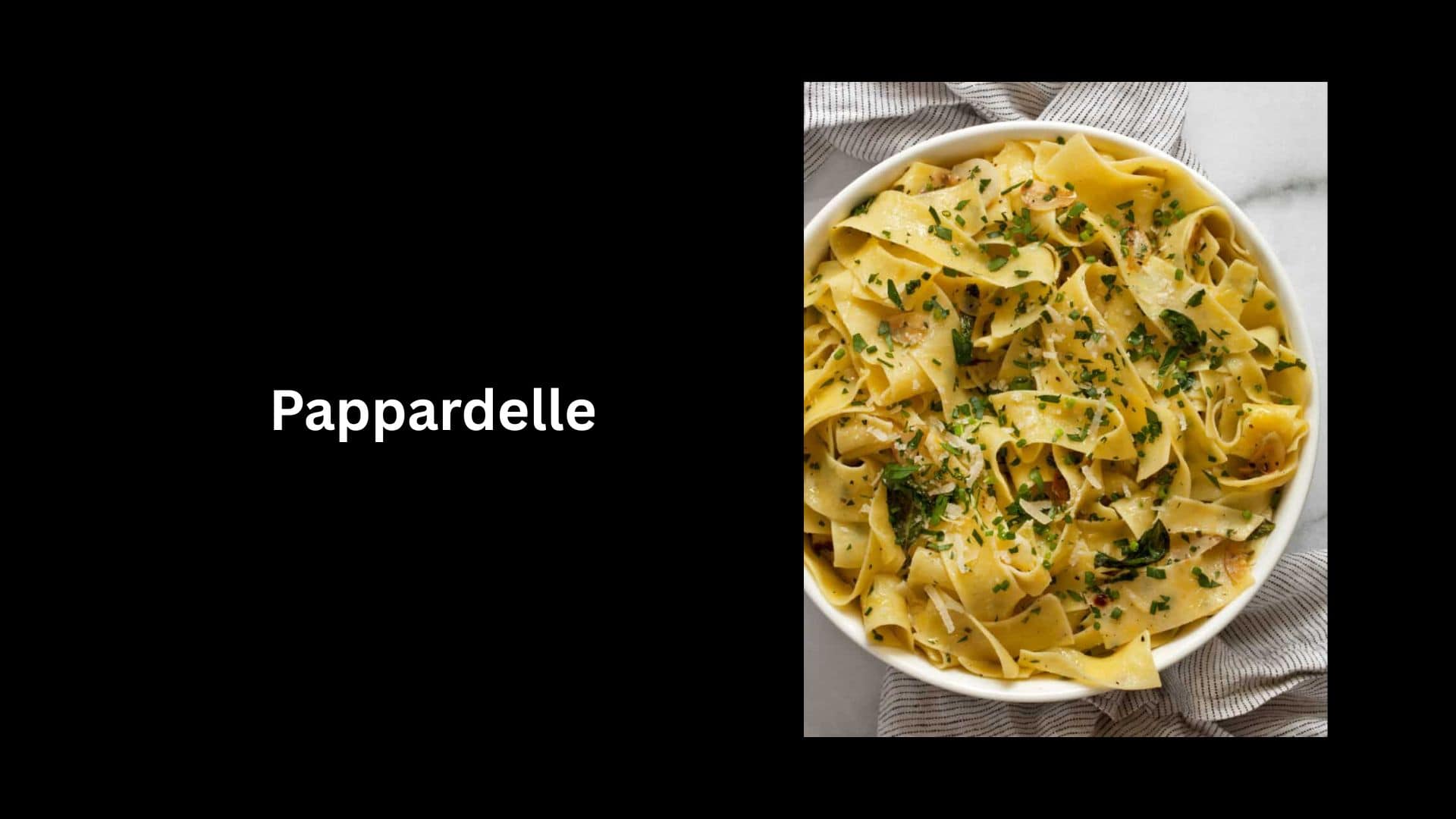 (Source: lastingredient.com)
It hails from Tuscany, Italy. This type of pasta has a wide and ribbon-like but flat shape. It is a great fit for meaty sauces and provides a chewy texture.
Other types of pastas include Paccheri, Manicotti, Mafaldine, Lasagne, Linguine, Gnocchi, Gemelli, Gigli, F ileja, Garganelli, Fusilli, Fettuccine, Farfalle, Egg Noodles, Elbows, Ditalini, Cavatappi, Colonne, Pompeii, Conchiglie, Casarecce, Cannelloni, and Capellini.
Calories in Pasta by Type
By Dry Pasta
 (Source: fatsecret.com)
By Cooked Pasta
 (Source: fatsecret.com)
The above chart explains the nutrients in pasta in various cooked forms in 1 1-cup serving
- Regular Pasta – Fats (1.30g), Carbohydrates (43.20g), Protein (8.12g), and Calories (221g)
- Whole Wheat Pasta – Fats (0.76g), Carbohydrates (37.16g), Protein (7.46g), and Calories (174g)
- Spinach Pasta – Fats (0.88g), Carbohydrates (36.61g), Protein (6.41g), and Calories (182g)
- Corn Pasta – Fats (1.02g), Carbohydrates (39.07g), Protein (3.68g), and Calories (176g)
By canned pasta
 (Source: fatsecret.com)
Canned Pasta with variations in a 1-cup serving includes the following nutrients
- Pasta with Tomato Sauce – Fats (3.01g), Carbohydrates (36.43g), Protein (6g), and Calories (194g)
- Pasta with Tomato Sauce and Meatballs – Fats (10.16g), Carbohydrates (36.43g), Protein (6g), and Calories (194g)
- Pasta with tomato sauce and Frankfurters – Fats (11.64g), Carbohydrates (30.11g), Protein (9.36g), and Calories (263g)
- Meat-filled Pasta with Gravy – Fats (7.73g), Carbohydrates (51.08g), Protein (11.95g), and Calories (327g)
- By pasta with sauce
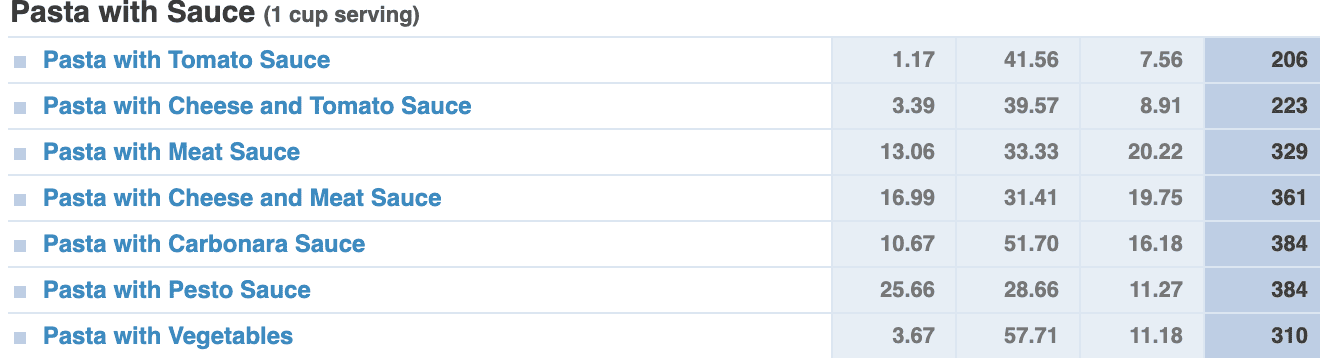 (Source: fatsecret.com)
According to the above chart, Pasta with sauce variants with 1 cup serving has the following nutrients.
- Pasta with Tomato sauce – Fats (1.17g), Carbohydrates (41.56g), Protein (7.56g), and Calories (206g)
- Pasta with Cheese and Tomato Sauce – Fats (3.39g), Carbohydrates (39.57g), Protein (8.91g), and Calories (223g)
- Pasta with Meat Sauce – Fats (13.06g), Carbohydrates (33.33g), Protein (20.22g), and Calories (329g)
- Pasta with Cheese and Meat Sauce – Fats (16.99g), Carbohydrates (31.41g), Protein (19.75g), and Calories (361g)
- Pasta with Carbonara Sauce – Fats (10.67g), Carbohydrates (51.70g), Protein (16.18g), and Calories (384g)
- Pasta with Pesto Sauce – Fats (25.66g), Carbohydrates (28.66g), Protein (11.27g), and Calories (384g)
- Pasta with Vegetables – Fats (3.67g), Carbohydrates (57.71g), Protein (11.18g), and Calories (310g)
By types
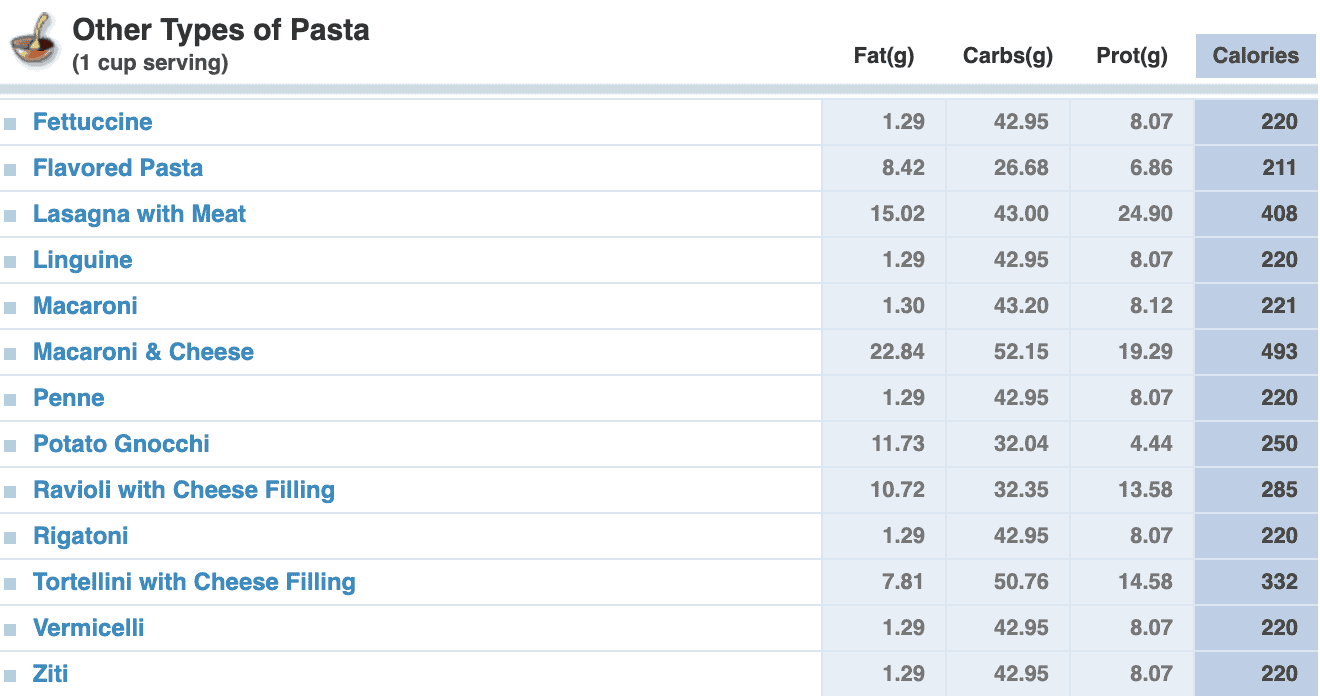 (Source: fatsecret.com)
Various types of pasta have the following nutrients
- Fettuccine – Fats (1.29g), Carbohydrates (42.95g), Protein (8.07g), and Calories (220g)
- Flavoured Pasta – Fats (8.42g), Carbohydrates (26.68g), Protein (6.86g), and Calories (211g)
- Lasagna with Meat – Fats (15.02g), Carbohydrates (43g), Protein (24.90g), and Calories (408g)
- Linguine – Fats (1.29g), Carbohydrates (42.95g), Protein (8.07g), and Calories (220g)
- Macaroni – Fats (1.30g), Carbohydrates (43.20g), Protein (8.12g), and Calories (221g)
- Macaroni and Cheese – Fats (22.84g), Carbohydrates (52.15g), Protein (19.29g), and Calories (493g)
- Penne – Fats (1.29g), Carbohydrates (42.95g), Protein (8.07g), and Calories (220g)
- Potato Gnocchi – Fats (11.73g), Carbohydrates (32.04g), Protein (4.44g), and Calories (250g)
- Ravioli with Cheese Filling – Fats (10.72g), Carbohydrates (32.35g), Protein (13.58g), and Calories (285g)
- Rigatoni – Fats (1.29g), Carbohydrates (42.95g), Protein (8.07g), and Calories (220g)
- Tortellini with Cheese Filling – Fats (7.81g), Carbohydrates (50.76g), Protein (14.58g), and Calories (332g)
- Vermicelli – Fats (1.29g), Carbohydrates (42.95g), Protein (8.07g), and Calories (220g)
- Ziti – Fats (1.29g), Carbohydrates (42.95g), Protein (8.07g), and Calories (220g)
By Pasta Salad
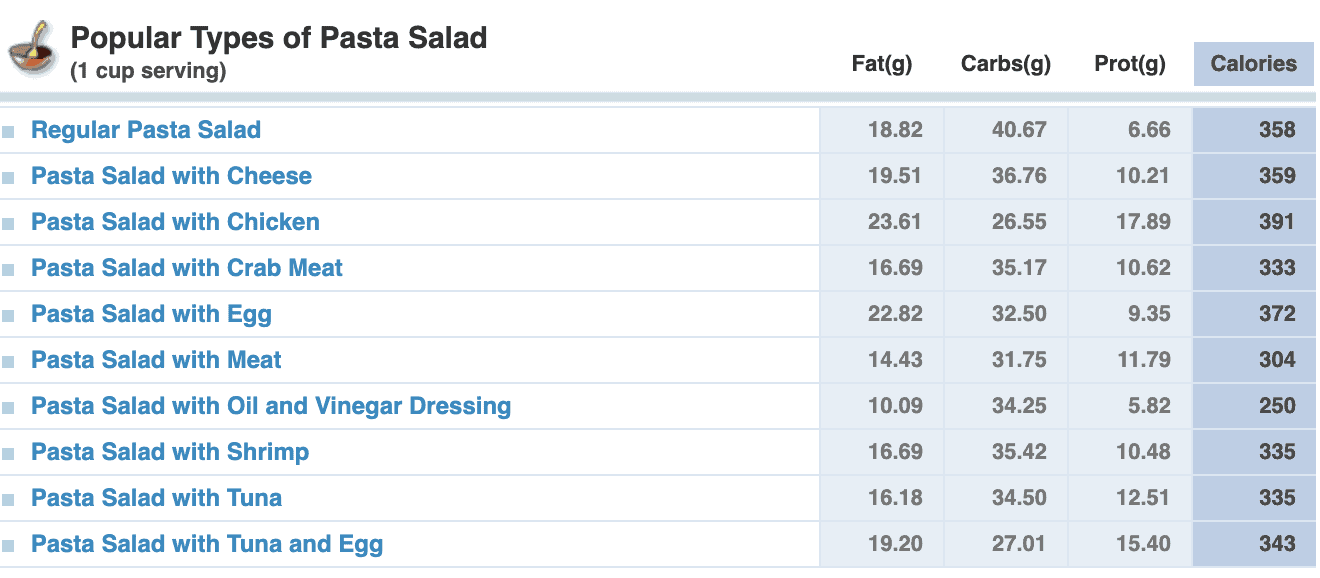 (Source: fatsecret.com)
- Regular Pasta Salad – Fats (18.82g), Carbohydrates (40.67g), Protein (6.66g), and Calories (358g)
- Pasta Salad with Cheese – Fats (19.51g), Carbohydrates (36.76g), Protein 10.21g) and Calories (359g)
- Pasta Salad with Chicken -Fats (23.61g), Carbohydrates (26.55g), Protein (17.89g), and Calories (391g)
- Pasta Salad with Crab meat- Fats (16.69g), Carbohydrates (35.17g), Protein (10.62g), and Calories (333g)
- Pasta Salad with Egg – Fats (22.82g), Carbohydrates (32.50g), Protein (9.35g), and Calories (372g)
- Pasta Salad with Meat – Fats (14.43g), Carbohydrates (31.75g), Protein (11.79g), and Calories (304g)
- Pasta Salad with Oil and Vinegar Dressing – Fats (10.09g), Carbohydrates (34.25g), Protein (5.82g), and Calories (250g)
- Pasta Salad with Shrimp – Fats (16.69g), Carbohydrates (35.42g), Protein (10.48g), and Calories (335g)
- Pasta Salad with Tuna – Fats (16.18g), Carbohydrates (34.50g), Protein (12.51g), and Calories (335g)
- Pasta Salad with Tuna and Egg – Fats (19.20g), Carbohydrates (27.01g), Protein (15.40g), and Calories (343g)
Calories in Pasta by Serving Size
- Cannelloni – 2 oz (56g) – 82 calories
- Capellini – 2 oz (56g) – 198 calories
- Cappelletti – 2 oz (56g) – 92 calories
- Cellophane Noodles 1 cup (140g) – 491 calories
- Cheese Tortellini – 1 cup (113g) – 329 calories
- Dampfnudel – 1 dampfnudel (85g) – 233 calories
- Dumpling Dough – 2 oz (56g) – 82 calories
- Durum Wheat Semolina – 2 oz (56g) – 222 calories
- Egg Noodles – 1 cup (38g) – 146 calories
- Farfalle – 2 oz (56g) – 200 calories
- Fettuccine – 2 oz (56 g) – 198 calories
- Fusilli – 2 oz (56g) – 197 calories
- Glass Noodles – 2 oz (56g) – 108 calories
- Lasagne Sheets – 1 sheet (21g) – 57 calories
- Linguine – 2 oz (56g) – 200 calories
- Low-carb pasta – 2 oz (56g) – 200 calories
- Macaroni – 1 cup (114g) – 422 calories
- Manicotti – 2 oz (56g) – 200 calories
- Mostaccioli – 2 oz (56g) – 103 calories
- Orecchiette – 2 oz (56 g) – 207 calories
- Orzo – 2 oz (56g) – 200 calories
- Penne – 2 oz (56g) – 197 calories
- Penne Rigate – 2 oz (56g) – 207 calories
- Pierogi – 3 pierogi (100g) – 200 calories
- Ravioli – 2 oz (56g) – 43 calories
- Rigatoni – 2 oz (56g) – 198 calories
- Rotini – 2 oz (56g) – 198 calories
- Shells – 1 cup (85g) – 300 calories
- Spaetzle – 2 oz (56g) – 206 calories
- Spaghetti – 2 oz (56g) – 207 calories
- Spinach Tortellini – 1 cup (102g) – 320 calories
- Spirelli – 2 oz (56g) – 206 calories
- Tagliatelle – 2 oz (56 g) – 207 calories
- Tortellini – 1 cup (113g) – 329 calories
- Vermicelli – 2 oz (56g) – 206 calories
- Whole Grain Spaghetti – 2 oz (56g) – 197 calories
- Ziti – 2 oz (56g) – 197 calories
Some Statistics on Pasta
 (Source: statista.com)
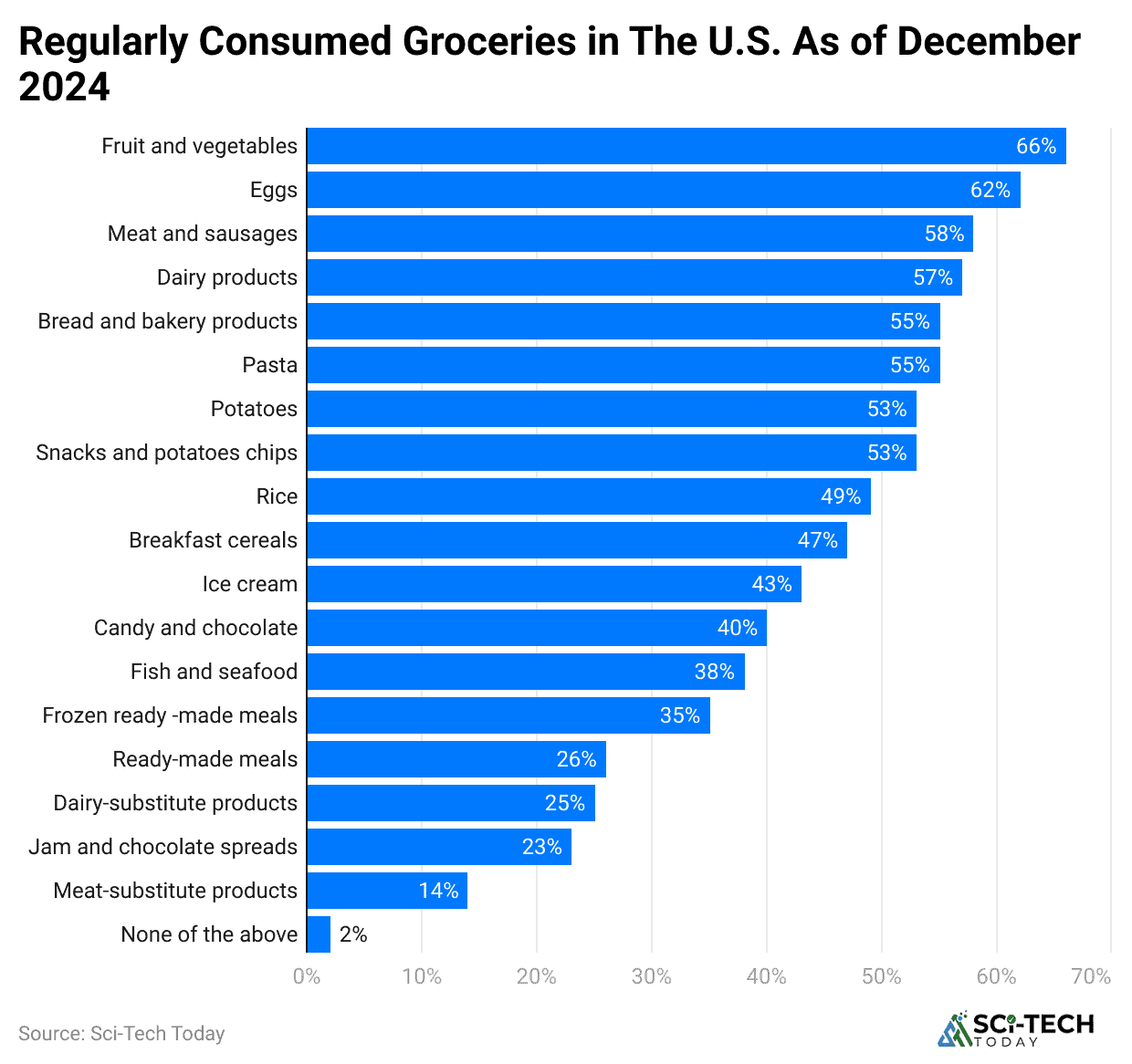
As of March 2023, in the United States of America, the top 6 regularly consumed groceries include Fruit and Vegetables (66%), Eggs (62%), Meat and Sausages (58%), Dairy Products (57%), Bread and bakery products (55%), and Pasta (55%).
Homemade Easy Pasta Recipes
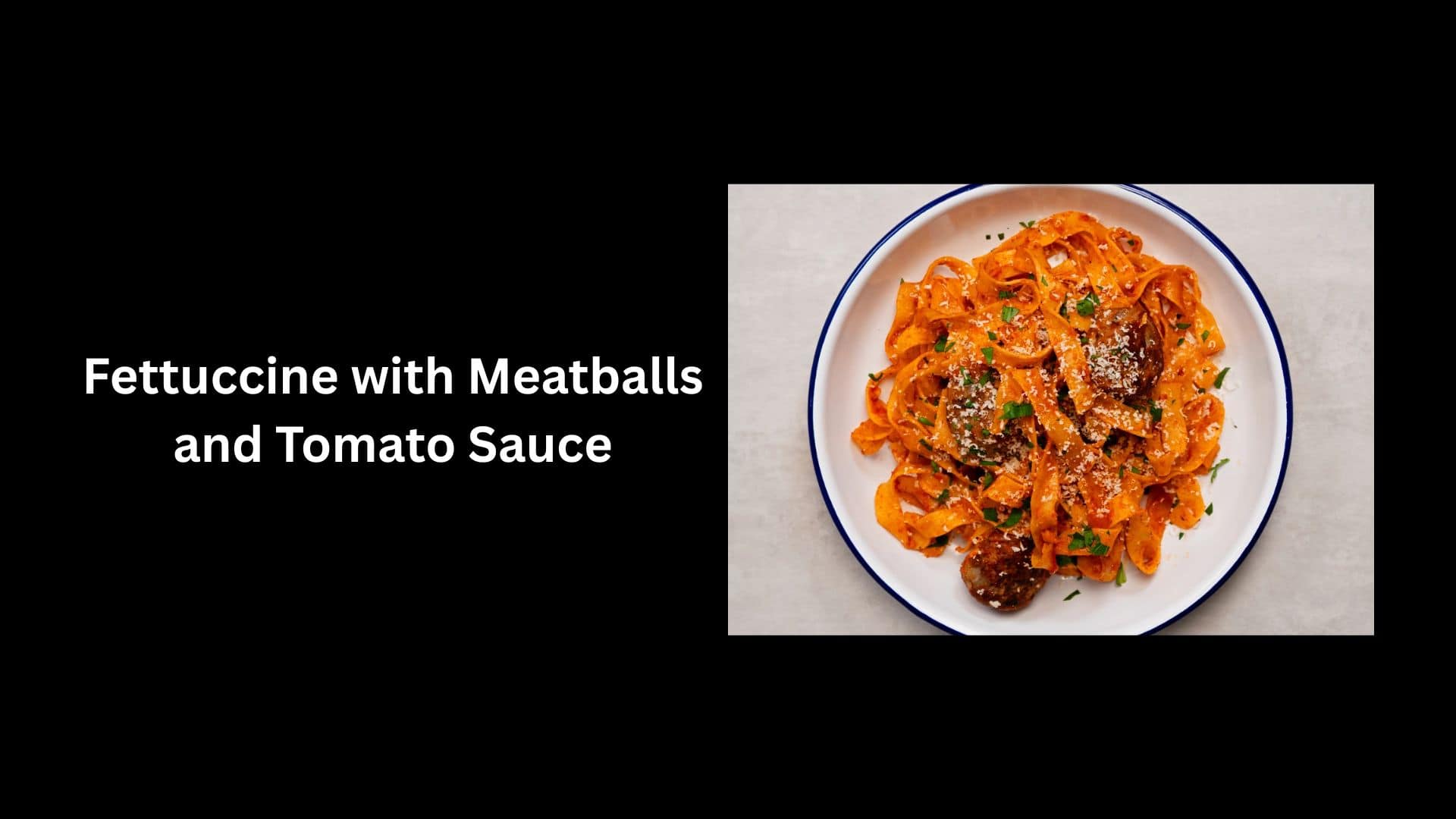
#1. Fettuccine with Meatballs and Tomato Sauce
 (Source: sidechef.com)
Ingredients (serves 4)-
(Meatballs)
¾ white onion, 1 beaten egg, 1lb ground beef, 4 cloves garlic, ¼ cup vegetable oil, 2 tbsp plain greek Yogurt, 1 tbsp ground Cumin, Ground black pepper, salt, 2 tbsp breadcrumbs
(Pasta)
¼ cup salt, 1 ¼ cups Parmesan grated Cheese, 16 cups Water, 1 lb Fettuccine
(Tomato Sauce)
2 tbsp Olive Oil, ¼ White Onion, 2 cloves garlic, 1 tube (130g) tomato paste
Instructions:
Finely chop white onion and 4 garlic cloves. Take a frying pan and on a medium-high flame heat 2 tbsp vegetable oil, then saute garlic, onion, and ground cumin until golden brown. Add Salt and Ground black pepper according to taste and set it aside.
Take a big bowl, and mix 2 tbsp breadcrumbs, cooked onions and garlic, 1 egg, 1 lb ground beef, salt according to taste, and 2 tbsp plain Greek yoghurt. And shape the mixture into golf-sized balls. Heat the pan and put 2 tbsp vegetable oil, shallow fry the balls until they turn brown.
In another pot, put 16 cups of water, add fettuccine 1 lb, and bring it to a boil according to the instructions on the package. Remove 1 cup of water from the pasta. In the same pan, saute ¼ onion and 2 garlic cloves in 2 tbsp of olive oil, and the entire tomato paste, and fry for 5 more minutes. Once it is cooked, add pasta water and make it smooth. Then add meatballs, pasta, salt, and ground black pepper according to taste. Spread grated Parmesan cheese and serve the dish hot.
What do you get?
102.5 g carbs, 49.3g fats, 1079 Calories, and 58.4g fat.
Conclusion
Concluding how many calories in pasta sheds light on pasta is the 6th most commonly purchased type of grocery in the United States of America. Although calories in pasta are high, people enjoy a wide variety in their lunch and dinner. If you are on a diet, there are some controversies that pasta is helpful in reducing weight, but there are no scientific studies, and only theories exist. Consumption of such traditional dishes should be once a month to have a fit and healthy life. Pasta is generally considered in fast food because of its ingredients as well as nutrients.


