








Introduction
How Often Does Google Crawl A Site? Globally, several website owners and SEO experts often wonder how often Google visits their site. This process, known as crawling, is when Google’s bots check web pages to find new content or updates. It’s an important part of how quickly changes on a site show up in search results.
Google doesn’t follow a set schedule when crawling, as it depends on things like how frequently the site is updated, how trustworthy or popular it is, and how fast it loads. Knowing how crawling works and what affects it can help site owners get their pages noticed and indexed more effectively.
Editor’s Choice
- Google has no fixed crawl time. An algorithm sets visit timing, depth, and pace based on site signals.
- Slow pages cut crawl volume. If load time rises by 1–2 seconds, Googlebot can crawl 10–30% fewer URLs per visit.
- Fresh sites get more attention. Pages updated daily can be crawled 2–5× more often than static pages.
- Crawl budget is limited. Large sites may see only 60–80% of URLs crawled in a given cycle.
- Good internal links help. Well-linked pages can raise crawl coverage by 20–40%.
- International content benefits. Proper language and country signals can speed discovery across 10+ regions.
- Server strain is real. Heavy crawling can use 5–15% of server bandwidth on small hosts.
- Some pages are skipped. Robots.txt blocks, logins, duplicates, or low-quality content can reduce crawling by 30–50%.
How Do Websites Get Crawled By Google?
- Google tries to understand what your website is about and how useful the content is for people.
- To do that, Google first needs to find out which web pages are out there.
- There’s no single place that lists every website on the internet.
- Instead, Google has its list called an “index” that it keeps updating all the time.
- Google uses a process called crawling to discover new web pages.
- Crawling means Google sends out bots (like little explorers) to go from one webpage to another by following links.
- When these bots find a new page, they add it to Google’s index so it can show up in search results.
How Frequently Does Google Visit A Website?
 (Source: zeve.au)
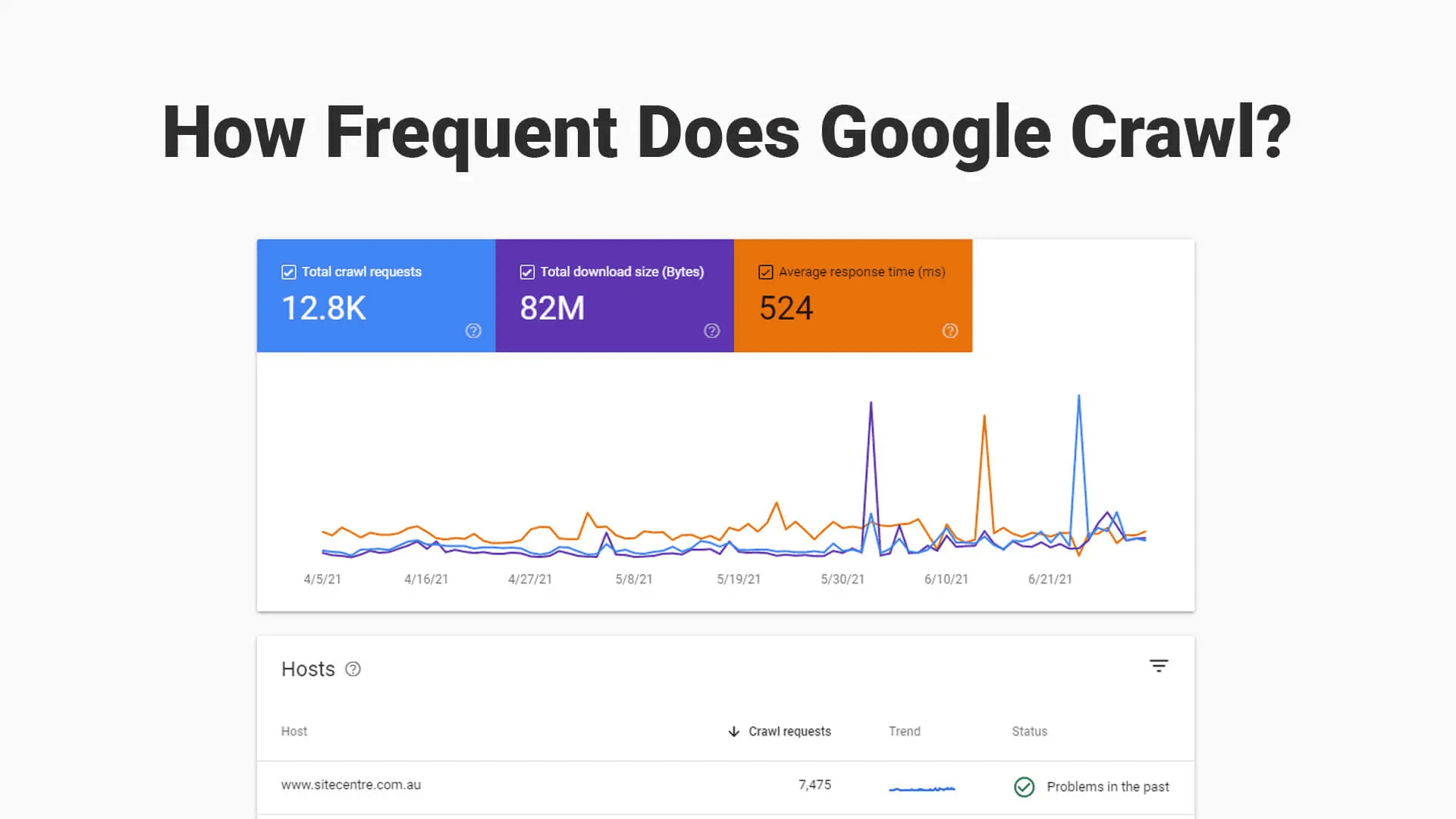
- Google doesn’t crawl on a regular schedule. Instead, an algorithm decides when to visit, how often, and how many pages to fetch from each site based on various factors.
- On average, Google revisits websites anywhere from once every three days to once every four weeks.
- Based on a report published by Safari Digital, Websites that update content often, especially active or news-based ones, may be crawled several times a day.
- Meanwhile, those with fewer updates or newer sites might only be visited every few days or weeks.
- Googlebot doesn’t crawl the same number of pages every day, while on some days it visits a lot, and on other days only a few.
What Factors Are Influencing The Frequency of Google Crawling?
 (Source: website-files.com)
- Site Speed: If a website loads slowly, it takes Googlebot more time to go through each page, which means it may not be able to crawl as many pages during its visit.
- Having a Sitemap: Submitting a sitemap through Google Search Console helps Google find pages more easily and quickly, and while crawlers can still reach a site without one, having a sitemap makes it easier for them to visit more often.
- Site’s Structure: A well-organised website with clear categories and structure makes it easier for Googlebot to crawl, which helps it visit the site more often.
- Crawl Budget: Having a high crawl budget doesn’t always mean Google will visit the site more often, especially if the site is small, but for bigger sites, managing the crawl budget well can help Google crawl their pages more frequently.
- New Content: If a website keeps getting new content often, Googlebot tends to visit it more regularly, sometimes even several times a day, especially if it’s a blog or news site.
How Can You Find Out The Last Time Google Visited Your Website?
Method 1. Utilise SEOmator’s Website Crawl Test Tool
 (Source: seomator.com)
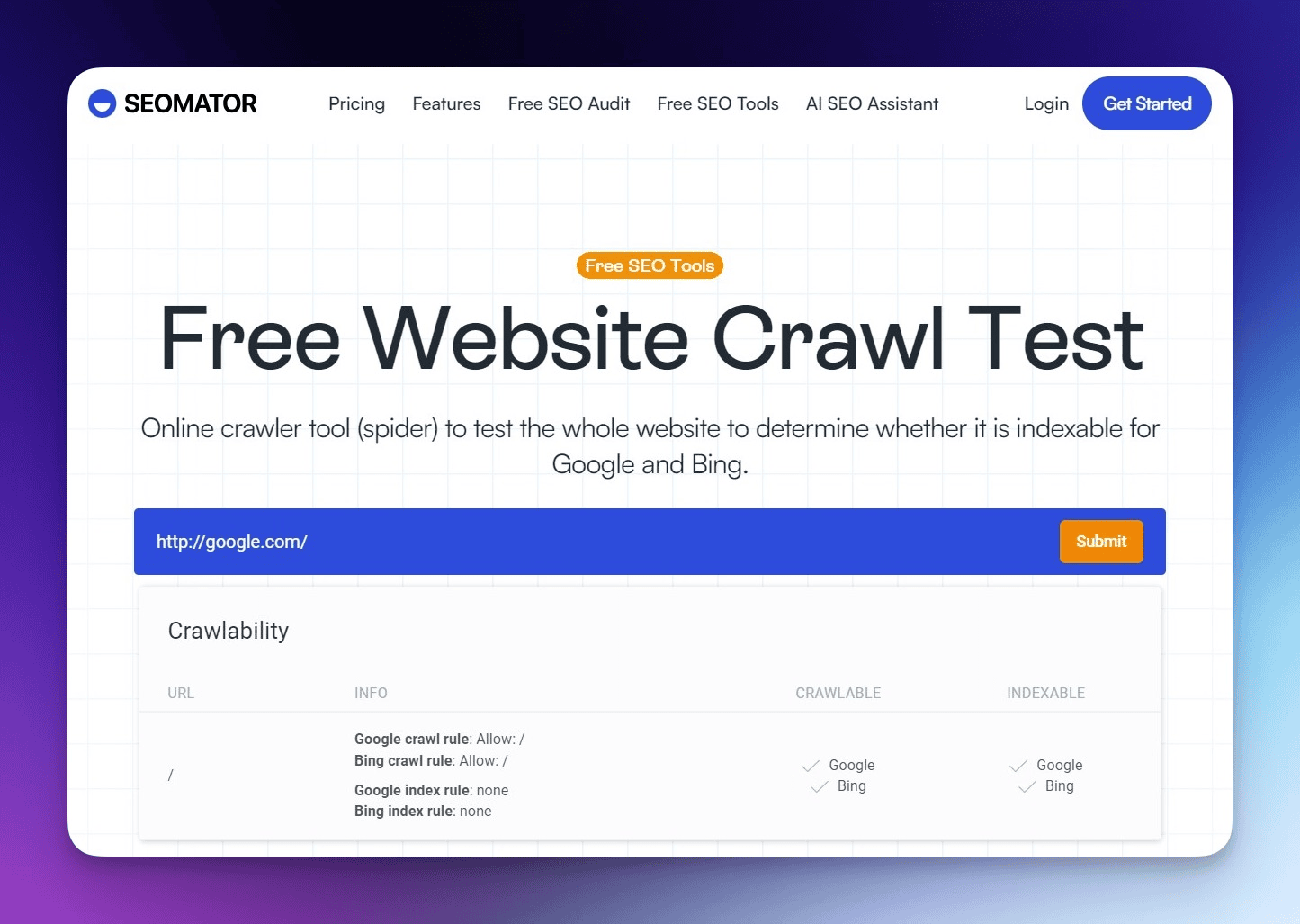
- They can better understand how Googlebot visits their site by using SEO tools to study log files.
- Tools like SEOmator’s Free Website Crawl Test help check if Google can easily access and read their pages.
- This makes it simple to see how often Google visits and what it looks at.
Method 2. Check the Cache of Your Website
 (Source: seomator.com)
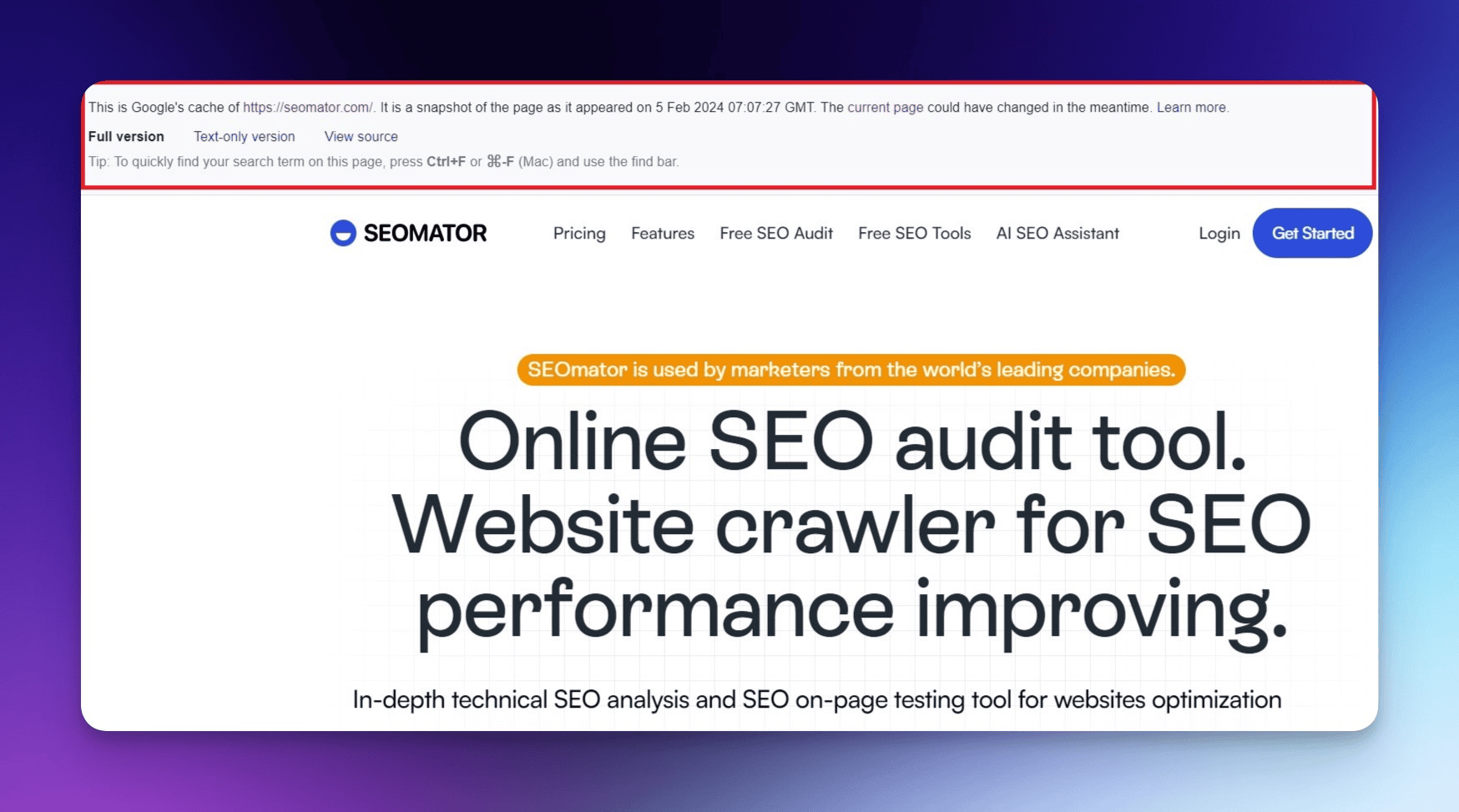
- To see when Google last visited their site, they can search yourwebsite.com on Google.
- Replace with their domain.
- The top of the page shows the last crawl date.
Method 3. Use Google Search Console’s URL Inspection Tool
 (Source: seomator.com)
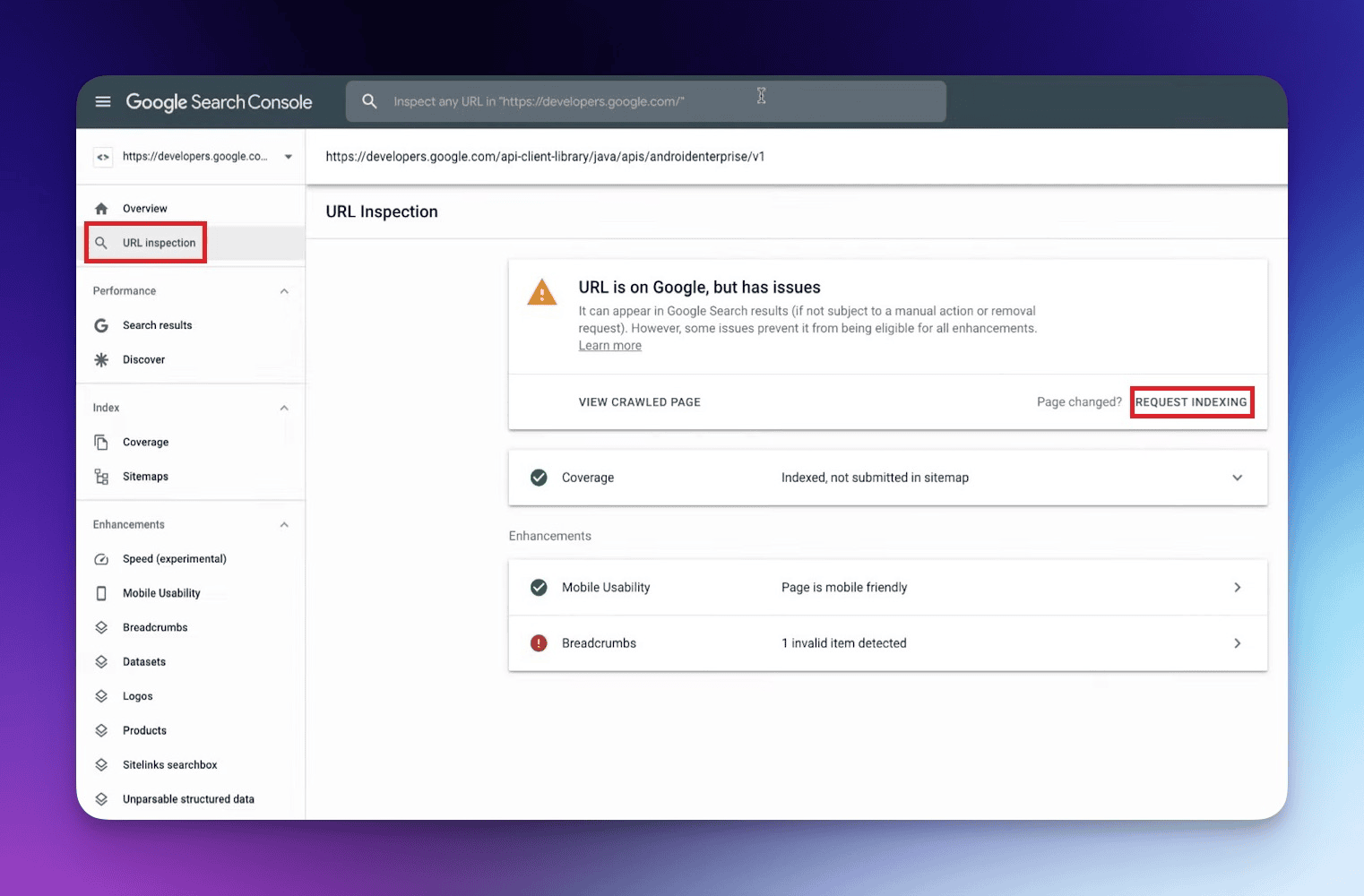
- Google Search Console’s URL Inspection tool helps marketers check how Google sees a page.
- After logging in and picking their website, they can enter a page URL to see when it was last crawled, its status, and any problems.
- If the page isn’t crawled yet, they don’t need to worry.
- They can click “Request Indexing” to ask Google to crawl it.
Method 4. Use Google Search Console’s Crawl Stats Report
 (Source: seomator.com)
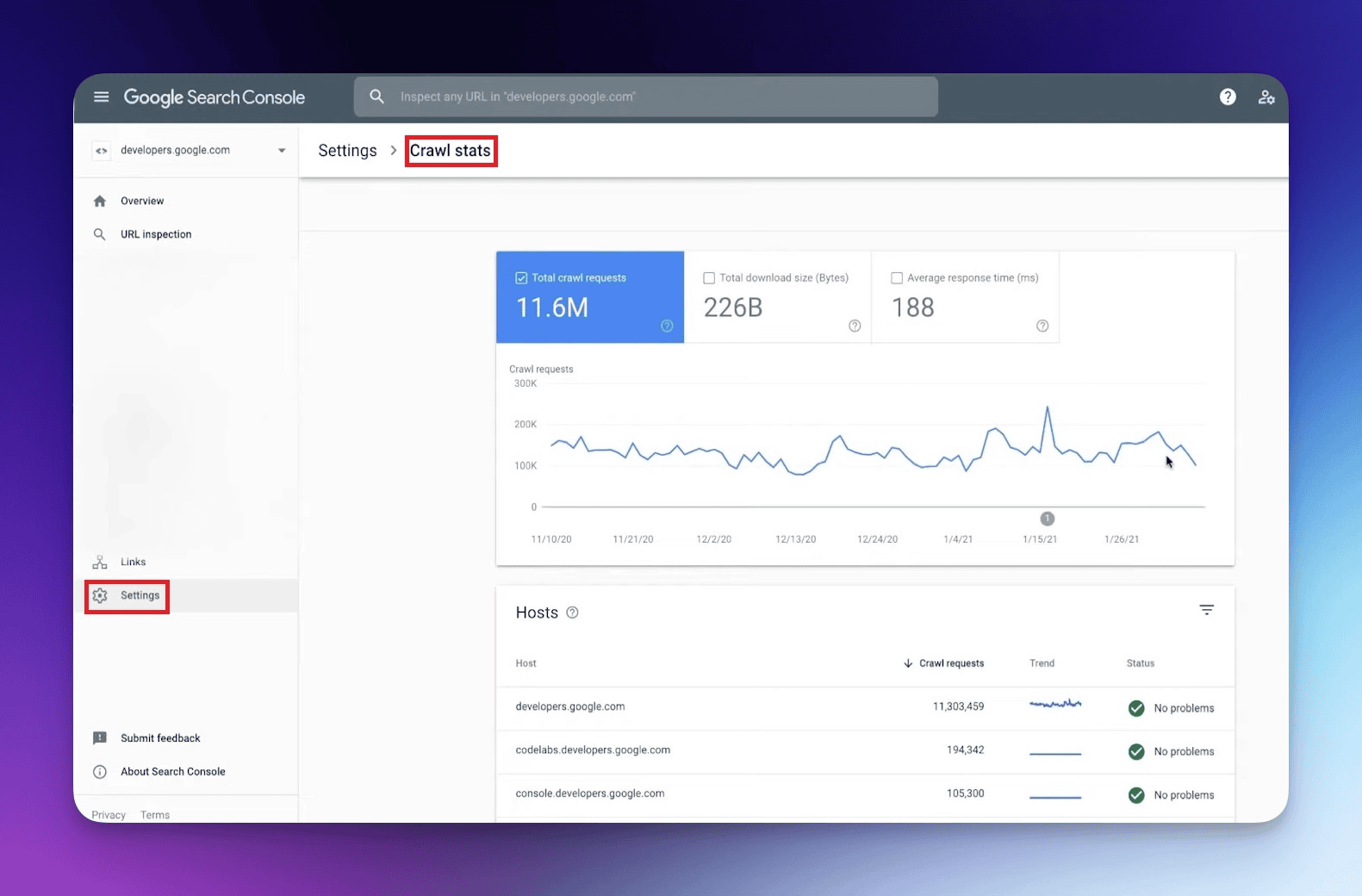
- For a better look at how Google visits your site, check the Crawl Stats report in Google Search Console.
- Go to the Settings tab, then click Crawl Stats.
- It shows how often Googlebot comes, how much data it downloads, and how long it takes, which helps track site activity.
How Can I Check When Google Last Crawled My Website?
 (Source: shortpixel.ai)
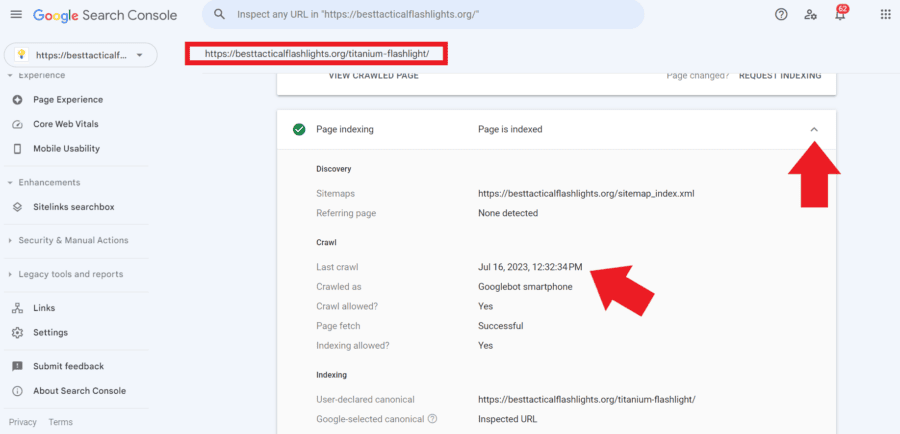
- Clicking the arrow below “Page Indexing” opens a panel like the one shown above.
- It shows this page was indexed on July 16th, just two days before this was written.
- This means the site gets checked often by search engines, so its content is kept up to date regularly.
Does Adding Fresh Content Help Google Visit Your Site More Frequently?
- Signals Site Activity: Websites that often add or update content show they’re active, so Googlebot comes back more often to check for changes.
- Improves Crawl Budget Allocation: Sites that update often usually get crawled more by Google, letting more of their pages get checked and added faster.
- Increases Priority via Freshness Algorithms: Google gives more importance to websites that often post new content, especially when the topic needs the latest information.
- Regular Publishing Encourages Revisits: When you post good content regularly, Googlebot notices the pattern and visits your site more often to check for updates.
- Technical Best Practices and Tools Matter: Other than content, things like fast loading, good links, sitemaps, and Google tools help Google find your pages faster.
Does Google Crawl Every Website?
- Google uses smart algorithms to decide which websites to crawl and how often.
- If a site is new, has poor internal links, is blocked by robots.txt, has low-quality content, or is behind a login or paywall, it might not get crawled at all.
- Even if a page is crawled, it might not be indexed if Google thinks it’s a duplicate, spammy, or unhelpful.
- So while Google crawls a huge number of sites, not all websites or pages are crawled or indexed.
- Site structure, authority, and content quality play a big role in getting noticed.
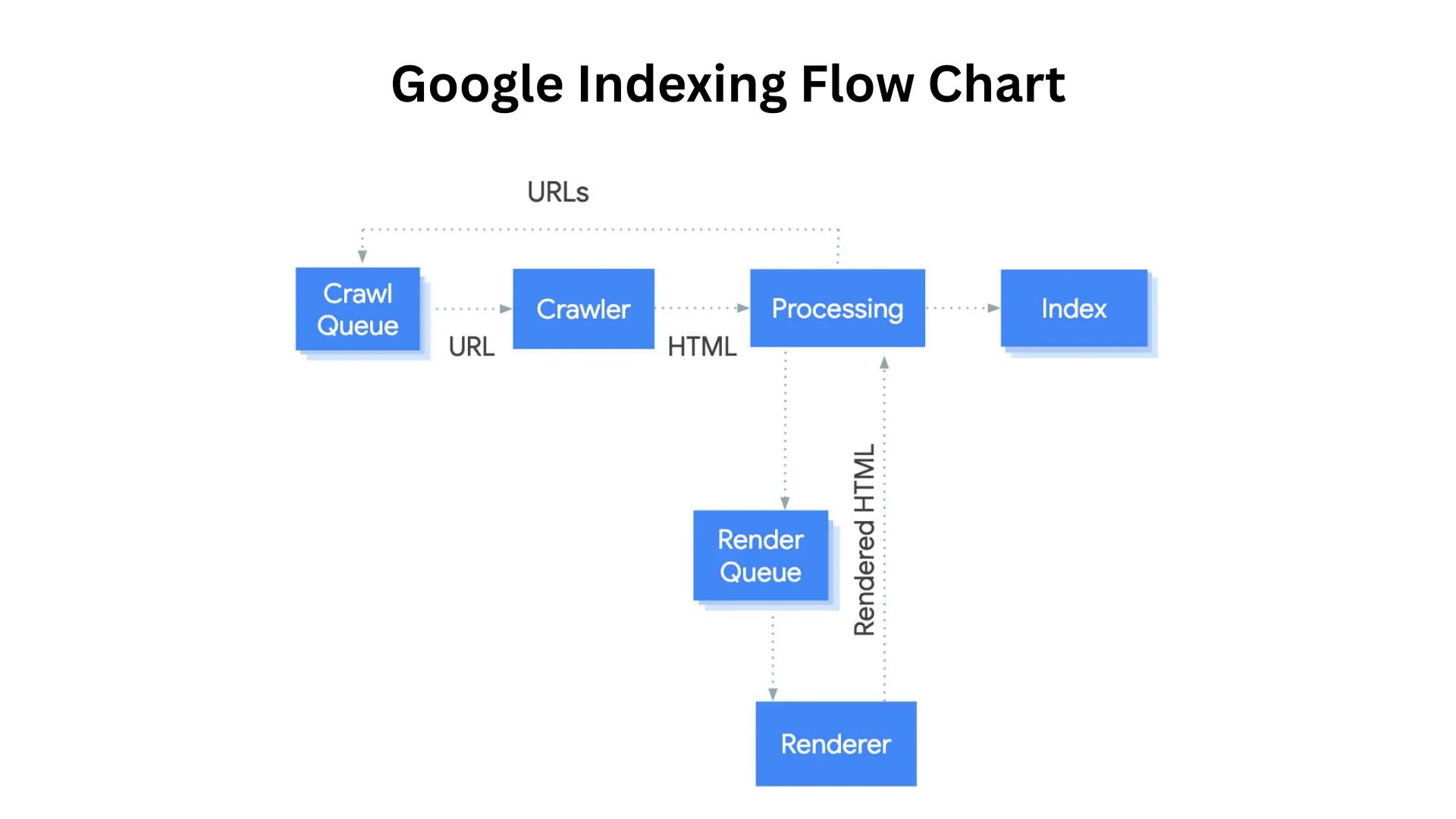 (Source: zeve.au)
- The above image describes that it starts with a list of URLs in the Crawl Queue, which the Crawler visits to fetch the page’s HTML.
- The content is then sent to Processing, where links and page data are analysed.
- If the page needs JavaScript to display content, it moves to the Render Queue, where the Renderer creates the final, visible version (rendered HTML).
- This version is then sent back for processing. Finally, the page is added to Google’s Index, making it searchable.
What Types of Websites Does Google Not Crawl?
According to Google Search Central, there are several reasons why Google doesn’t crawl some web pages:
- If a site blocks certain URLs in the robots.txt file, Googlebot won’t access them.
- Pages with a noindex and nofollow tag may be skipped after the first visit and won’t show up in search results.
- Login-required content, like member-only pages, can’t be crawled since Googlebot can’t log in.
- Pages behind password protection or restricted access are also not reachable.
- If key content relies on JavaScript that fails to load properly, Google may miss it.
- Orphaned pages, which aren’t linked from any other page, are hard to find.
- Google might also avoid crawling pages that are duplicates, low-quality, or spammy.
- Finally, pages with server errors or slow loading times might get skipped during crawling.
What Are The Factors of Google Crawl and their possible impacts?
| Factors | Impacts |
| High-Quality Backlinks |
Trusted links from other sites help Google visit your site more often. |
|
Frequent Content Updates |
When you add new content regularly, it tells Google your site is active, so it comes back more. |
| Slow Page Load Speeds |
If your pages load slowly, Google might not crawl everything or may visit less often. |
|
Large Number of Errors |
Too many broken pages or issues make your site look unreliable, so Google lowers its crawl priority. |
|
Clear Internal Linking |
Good links between your pages help search bots move around your site easily and crawl more pages. |
| Repetitive/Thin Content |
If your pages have very little or repeated content, Google won’t spend much time crawling them. |
|
Proper Sitemaps |
A sitemap shows Google where your pages are, which helps it find and crawl them faster. |
What Are the Advantages and Disadvantages of Google Crawling?
#1. Advantages
- Increased visibility and traffic when Google crawls a website and adds it to the index, it becomes discoverable through search queries.
- When Google visits your site often, it can notice new or updated pages faster.
- If your site is crawled regularly, any changes or new content you add can appear in Google search sooner, so people always see the latest version.
- Crawling helps your website get listed on Google in different countries and languages, depending on what your content is about.
#2. Disadvantages
- Frequent crawling can strain server resources, especially for smaller sites with limited bandwidth or hosting power.
- If not configured properly (e.g., via robots.txt or noindex tags), Google may crawl and index pages not meant for public visibility (e.g., admin pages, test environments).
- Crawling might identify and index duplicate or similar content across different URLs (e.g., with parameters), leading to SEO penalties or diluted ranking signals.
- They might still see their old or private info on Google, even after deleting it, which could cause legal or privacy issues.
Conclusion
In short, Google crawling helps websites that appear in search results, which allows them to increase their visibility and bring more visitors. Googlebot goes through web pages often and saves useful content so people can find the most recent information. But not all pages are crawled. Well-structured sites, have clear code, and are easy to load, are more likely to be picked up.
When website owners understand how Googlebot works, they can make smart updates to help their pages get indexed properly. This improves their chances of ranking higher and reaching more people around the world.

Sources