








Introduction
Micro Investing Apps Statistics: Micro-investing apps let people invest very small amounts. Many do this through fractional shares, spare-change round-ups, or regular deposits. This makes investing cheaper to start, so more households can join financial markets. The World Bank’s Global Findex 2025 shows that 79% of adults worldwide now have an account with a financial institution or a mobile money provider. It also shows that 40% of adults in low- and middle-income economies saved money in an account in 2024.
These figures show that digital finance is now within reach of many more people, which leaves room for small-scale investing. However, global regulators warn that the app features that attract new investors can also bring risks. The International Organization of Securities Commissions (IOSCO) says that tools such as notifications, nudges, and gamification can improve access and build financial knowledge. It also says they may lead to investor harm. Simple design and good investor education are therefore key for these apps.
Editor’s Key Choices
- Acorns reports 16 million+ all-time customers and USD 33 billion+ invested since inception as of August 2026.
- Acorns users invest an average of USD 30+ monthly through Round-Ups, triggered once spare change reaches USD 5.
- Moneybox customers invested GBP 238.8 million via round-ups through July 2026; 56% add deposits within a year.
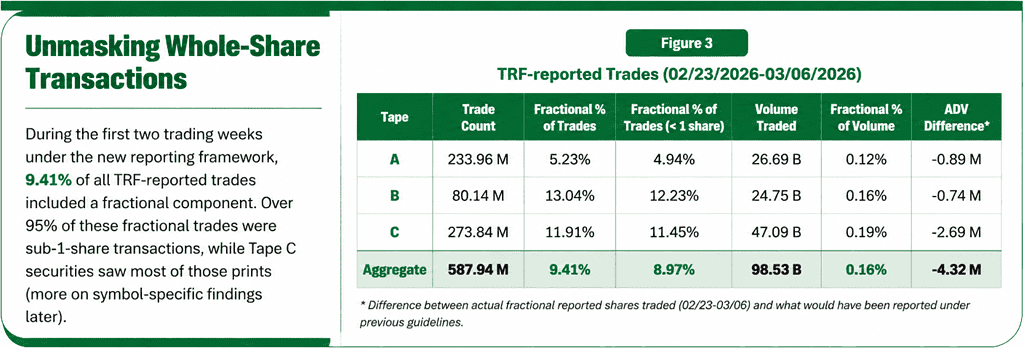
- Fractional quantities appeared in 9.41% of FINRA-reported trades in early 2026, over 95% of them below one share.
- Raiz reported FY26 funds under management of AUD 2.32 billion and 351,362 active customers.
- Robinhood bank deposits may take up to 5 business days, while M1 typically completes within 1 business day.
- ASIC removed 7,051 fraudulent investment platforms in fiscal 2026, up 151%, and 3,106 crypto investment scams.
- Kraken’s minimum cash-funded crypto purchase is USD 1, with daily, weekly, biweekly, and monthly recurring schedules.
- Plum secured FCA Targeted Support approval in October 2026; its AI assistant serves over 270,000 customers.
Round-Up Investing Statistics
- Acorns reports 16 million+ all-time customers and USD 33 billion+ invested since inception as of 26 August 2026.
- Average active Acorns investors had rounded up USD 800 by 26 August 2026; newcomers invest USD 180+ in four months.
- Acorns Advisers’ Form ADV, amended 3 August 2026, shows USD 13.39 billion in regulatory assets across 5,152,940 accounts.
- Acorns users invest an average of USD 30+ monthly through Round-Ups, which trigger once spare change reaches USD 5.
- Moneybox customers invested GBP 238.8 million via round-ups through July 2026; 56% add further deposits within a year.
- Simmons Bank’s Round-Up program helped 25,000+ customers save over USD 5.9 million lr 2025, oe announced lc April 2026.
- Australia’s Raiz, which pioneered Round-Ups there, reported FY26 funds under management of AUD 2.32 billion and 351,362 active customers.
Fractional Share Investing Statistics
- Fractional quantities appeared in 9.41% of FINRA facility-reported trades during 23 February–6 March 2026.
- Over 95% of fractional trades reported through FINRA facilities were smaller than one share during 23 February–6 March 2026.
- The median fractional trade measured below 0.04 shares and USD 4.86 during 23 February–6 March 2026.
- Among the highest-priced stocks, 18.09% of FINRA facility-reported trades included fractional quantities during 23 February–6 March 2026.
- NVIDIA recorded over 7 million fractional transactions through FINRA facilities during 23 February–6 March 2026, approximately half its reported trades.
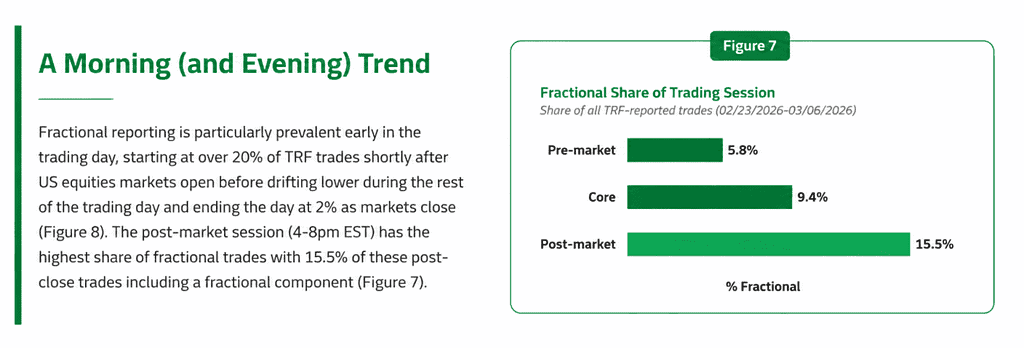
- Fractional quantities appeared in 15.5% of post-market FINRA facility-reported trades during 23 February–6 March 2026.
- Effective 23 February 2026, FINRA required fractional-share quantities reported to six decimal places for National Market System stocks.
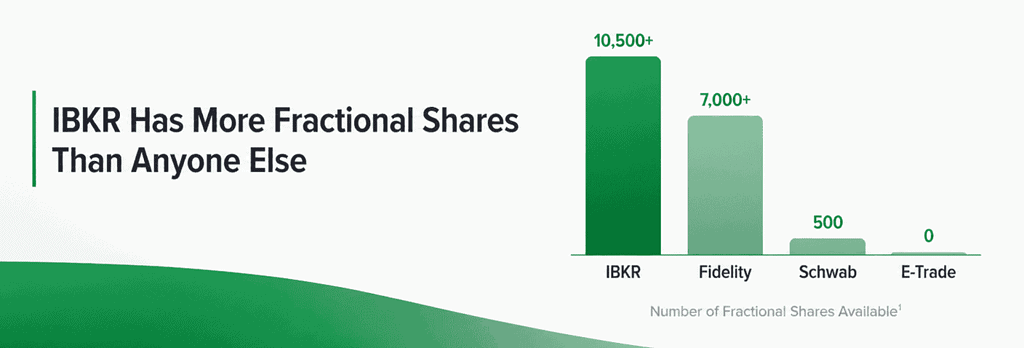
- Interactive Brokers listed 10,500+ eligible U.S. stocks and ETFs for fractional investing as of 23 January 2026, with USD 1 minimums.
Micro Investing Apps by Asset Class
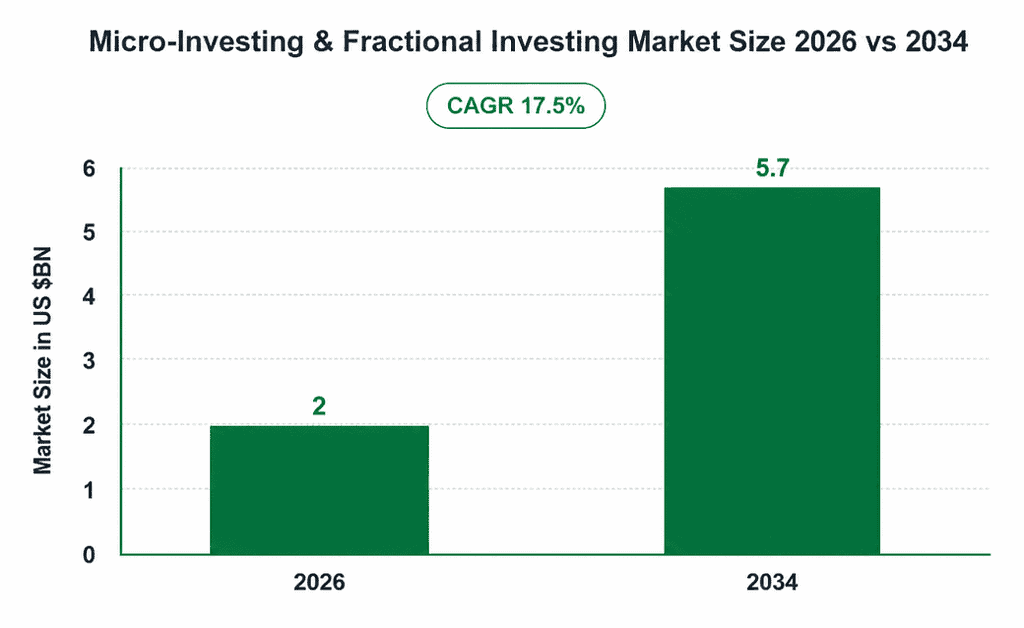
- Stratistics’ USD 2.08 billion 2026 micro-investing market spans equities, ETFs, cryptocurrencies, bonds and commodities, hitting USD 5.65 billion by 2034.
- Acorns caps Bitcoin-linked ETF (BITO) exposure at 5% of portfolios, scaling from 1% conservative to 5% aggressive.
- Acorns’ August 2026 Form CRS lists five Core and four ESG ETF portfolios, with Custom Portfolios capped at 50%.
- Dataintelo projects cryptocurrencies as micro-investing’s fastest-growing asset class, up 28.3% annually to 24.2% share by 2034, versus fixed income’s 8.1%.
- CNBC’s 2026 picks: Acorns’ ETFs span 7,000+ stocks and bonds (USD 4–12 monthly); Robinhood adds options and select cryptocurrencies.
Funding Latency in Micro Investing Apps
- Acorns: Its April 2026 agreement permits routine electronic deposit delays of 5 business days; suspected fraud may extend delays.
- Acorns Smart Deposit: Paychecks settle for automated investment allocation 18 hours after detection, rather than immediately upon arrival.
- Stash Personal Portfolio: Transfers submitted before 3:30 p.m. ET on business days generally become available to invest within minutes.
- Stash Managed IRAs: Cash transfers are automatically invested during the next trading window, typically within 1–2 business days.
- Robinhood: Bank deposits may take up to 5 business days to become available; eligible deposits receive partial instant buying power.
- Public: Deposits may take 1 business day to begin processing, then settle after 3 business days; instant buying power varies.
- M1: Bank-to-Invest deposits typically complete within 1 business day; Crypto deposits provide up to USD 5,000 immediately.
- Webull: ACH deposits typically process within 3–4 business days; eligible accounts may receive earlier access through Instant Buying Power.
Fraud Rates in Investment Apps
- ASIC reported 19,400-plus online scam removals in fiscal 2026, up 182%; investment-app checks should extend beyond appearances.
- ASIC removed 7,051 fraudulent investment platforms in fiscal 2026, up 151%; independently verify operators’ regulatory authorisation.
- ASIC removed 5,476 phishing links in fiscal 2026, up 279%; verify login requests through independently trusted channels.
- ASIC removed 3,106 cryptocurrency investment scams in fiscal 2026, almost 30% more year-over-year; verify platforms before transferring funds.
- September 2026 SEC charges alleged two investment-confidence schemes stole over USD 15 million through WhatsApp and online platforms.
- September 2026 SEC allegations linked Cryptoaiml to over USD 12.5 million lr misappropriated hvstz, fictitious trading profits, and withdrawal-unfreezing fees.
- September 2026 SEC allegations linked TSAI to over USD 2.8 million misappropriated through purported AI trading-bot investments.
- By April 2026, FBI Operation Level Up had notified over 8,000 potential victims, reducing cryptocurrency investment-fraud losses over USD 500 million.
Cost Basis Tracking for Micro Investing Tax Reporting
| Topic | Numeric data / applicable rule |
| Purchase-level cost basis | Track each purchase’s acquisition cost, including commissions. Use specific-lot identification or default first-in, first-out (FIFO). |
| Average-cost accounting | Generally unavailable for individual stocks, except eligible dividend-reinvestment plans; certain mutual-fund shares qualify. |
| Wash-sale timing | Purchases of substantially identical securities within 30 days before or 30 days after a loss sale can trigger wash-sale treatment. |
| Broker tax-statement reconciliation | Form 1099-B: acquisition date, box 1b; cost basis, box 1e; disallowed wash-sale loss, box 1g. |
| Long-term capital gains: single | 2026 taxable-income ceilings: 0% rate, USD 49,450; 15% rate, USD 545,500. |
| Long-term capital gains: married filing jointly | 2026 taxable-income ceilings: 0% rate, USD 98,900; 15% rate, USD 613,700. |
| Long-term capital gains: other filing statuses | 2026 taxable-income ceilings for the 0% rate: head of household, USD 66,200; married filing separately, USD 49,450. |
| Crypto micro-investing reporting | Form 1099-DA proceeds reporting began for transactions from January 1, 2025; certain basis-reporting requirements apply from January 1, 2026. |
Crypto and Digital Asset Micro Investing
- Kraken’s minimum cash-funded crypto purchase is USD 1; card and digital-wallet purchases require USD 10.
- Kraken’s crypto-to-crypto conversion minimum equals USD 1, supporting small digital-asset transactions.
- Kraken supports 4 recurring-investment schedules: daily, weekly, biweekly, and monthly; recurring orders exclude Kraken Pro.
- Coinbase supports weekly, monthly, or twice-monthly recurring purchases on the 1st and 15th.
- Coinbase immediately executes 1 purchase when establishing recurring investments; subsequent purchases follow the selected schedule.
- Coinbase’s 2026 Form 1099-DA includes basis for covered assets acquired from January 1, 2026, and continuously held there.
- Forms covering 2026 digital-asset transactions arrive in 2027; eligible reporting includes proceeds and cost basis.
- Qualifying stablecoin sales exceeding USD 10,000 annually may receive aggregated Form 1099-DA reporting.
Recent Micro Investing Apps Developments
- Plum secured FCA Targeted Support approval in October 2026, enabling investment guidance through its AI assistant, already used by over 270,000 customers.
- Acorns introduced free tax filing and optional refund investing for gold customers in February 2026, eliminating an approximately USD 60 filing fee.
- Acorns Early launched 80+ free YouTube videos in January 2026, adapting 110 financial lessons across 3 levels for children aged 6–18.
- Moneybox launched 3 Amundi-developed pension funds in December 2025, capping annual ongoing charges at 0.29% and introducing a 0.15% service fee.
- Acorns launched Money Manager in October 2025; early-access customers averaged USD 693 in monthly emergency savings and USD 175 in monthly retirement investments.
- Moneybox introduced Aurora in September 2025, an AI-powered guidance engine developed over 2 years, initially offering free tailored plans to selected existing customers.
- Stash launched Money Coach AI in May 2025, reporting 2.2 million interactions; 1 in 4 engaged customers took positive financial action within 10 minutes.
- Raiz launched Jars in January 2025, reporting over 18,000 created that month; travel represented 25.1% of jars, while housing-related goals accounted for 15.7%.
Micro Investing Apps Market Size
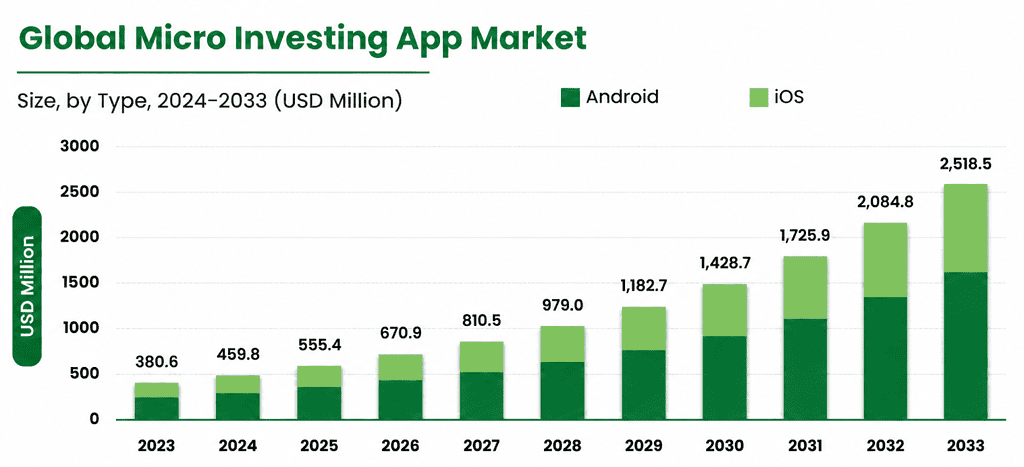
- The global micro-investing app market is expected to grow at a compound annual growth rate (CAGR) of 20.8% and reach USD 2,518.5 million by 2033. The market includes Android and iOS apps, with Android holding the larger share throughout the period.
- The market figures show a steady rise from USD 380.6 million in 2023 to USD 459.8 million in 2024 and USD 555.4 million in 2025. The value is projected to reach USD 670.9 million in 2026.
Wrapping Up
Micro investing apps are making small-scale investing mainstream, with round-ups, fractional shares, and automated deposits lowering the barrier to entry. Leading apps report millions of customers and billions invested, while new AI guidance tools and tax features add value.
At the same time, funding delays, scam risks, and complex tax reporting call for careful design and investor education. Apps that stay simple, transparent, and secure while helping small balances grow are best positioned to build lasting trust.
FAQ
A micro investing app lets you invest small amounts of money, often by rounding up everyday purchases to the nearest dollar and investing the difference. Many apps also allow recurring deposits as low as a few dollars, which makes investing accessible to people with limited savings.
You link a bank account or debit card, choose an investment strategy, and the app automatically moves money into a portfolio of funds or ETFs. Some apps invest your spare change after each transaction, while others let you set up scheduled contributions.
Reputable apps are regulated by financial authorities and typically hold client assets in segregated accounts. Your investments can still lose value, and the app’s security depends on strong passwords, two-factor authentication, and careful review of the provider’s credentials.
Fees vary and may include monthly subscription charges, management fees on your portfolio, or transaction costs. Some apps charge a flat monthly fee regardless of balance, which can reduce returns for small accounts, so it is important to compare total costs before signing up.
Yes. Investments in stocks, bonds, or funds can decline in value, especially over short periods. Micro investing is generally better suited to long-term goals, and diversification can help reduce risk, but it does not guarantee a profit.
The best choice depends on your goals, budget, and comfort with risk. Beginners should look for an app with a simple interface, low fees, educational resources, and clear information about how the portfolio is managed.