








Introduction
Big Data Statistics: By 2025, the world is expected to generate an unimaginable 181 zettabytes of data, representing an average annual growth rate of 23.13%, with 2.5 quintillion bytes created daily. This indicates an influx of roughly 29 terabytes every second- yes, you read it right.
While over 97% of businesses are now investing in Big Data, only about 40% are truly effective at leveraging analytics. The global Big Data analytics market, valued at approximately $348.21 billion in 2024, is on a trajectory to reach over $961.89 billion by 2032, exhibiting a robust CAGR of 13.5%.
The dominance of some unstructured data, which constitutes about 90% of all global data, underscores the complex statistical challenge. Industries, from healthcare, which could save up to $300 billion annually in the US alone through data initiatives, to entertainment, where Netflix saves an estimated $1 billion per year using data-driven recommendation algorithms, which are being fundamentally changed by Big Data. So, let’s dive deeper into this stats article discussing everything about big data from its current insights to future forecasts. Let’s get started.
Top Picks
- The world is holding near 181 zettabytes of data in 2025, and people and machines generate about 2.5 million terabytes every day.
- Around 29 terabytes are added every single second worldwide.
- In 2024, the global Big Data analytics market was valued at roughly $348.21 billion, and it is forecasted to reach nearly $961.89 billion by 2032.
- North America accounts for 34.7% of the global analytics revenue share.
- 54% of firms use Big Data to improve product or service quality.
- A further 52% said it helps make business processes steadier and more useful.
- About 77% of companies reported a lack of data analytics workers.
- 64% of companies put data integrity at the top of their list of concerns.
- The global average cost was about $4.4 million in 2025.
- The Big Data finance sector is projected to grow from $62.4 billion in 2024 to $287.37 billion by 2034.
- Big Data tied to e-commerce is forecast to grow from $5.9 billion in 2025 to $17.2 billion by 2034.
- Big data in EdTech projection moves from $17.6 billion in 2024 to $112.7 billion by 2034.
- Big Data usage by big companies often reports a revenue lift of about 8%.
- Data Scientist jobs are predicted to increase by 34% from 2024 to 2034.
- In the U.S., the median pay is listed at $112,590 for 2024.
Why is Big Data important?
- In 2013, it was reported that 90% of the world’s data had been created in just the previous two years, and the rate of data generation continues to double every two years.
- In 2017, people around the world generated 2.5 quintillion bytes of data every day.
- The total amount of data created globally is expected to reach 149 zettabytes by 2045.
- The global data volume grew from 45 zettabytes in 2019 and is expected to reach 175 zettabytes by 2025.
- By 2025, around 5 zettabytes of data are expected to be analyzed worldwide.
- In 2020, it was estimated that 1.7 MB of data was created every second for every person on Earth.
- By 2020, the United States alone had more than 2.9 million job postings related to data science and analytics.
- Every minute across the world:
- 500,000 tweets are shared on Twitter.
- 69,000 minutes of video are streamed on Netflix.
- 4 million videos are watched on YouTube.
- Over 100 million spam emails are sent.
- 46,000 new posts appear on Instagram, and 250,000 stories are shared.
- 527,000 photos are shared on Snapchat.
- Americans use 2.6 million GB of internet data.
- 3.6 million searches are made on Google.
- 15 million text messages are sent.
Big Data Volume – Historic Data
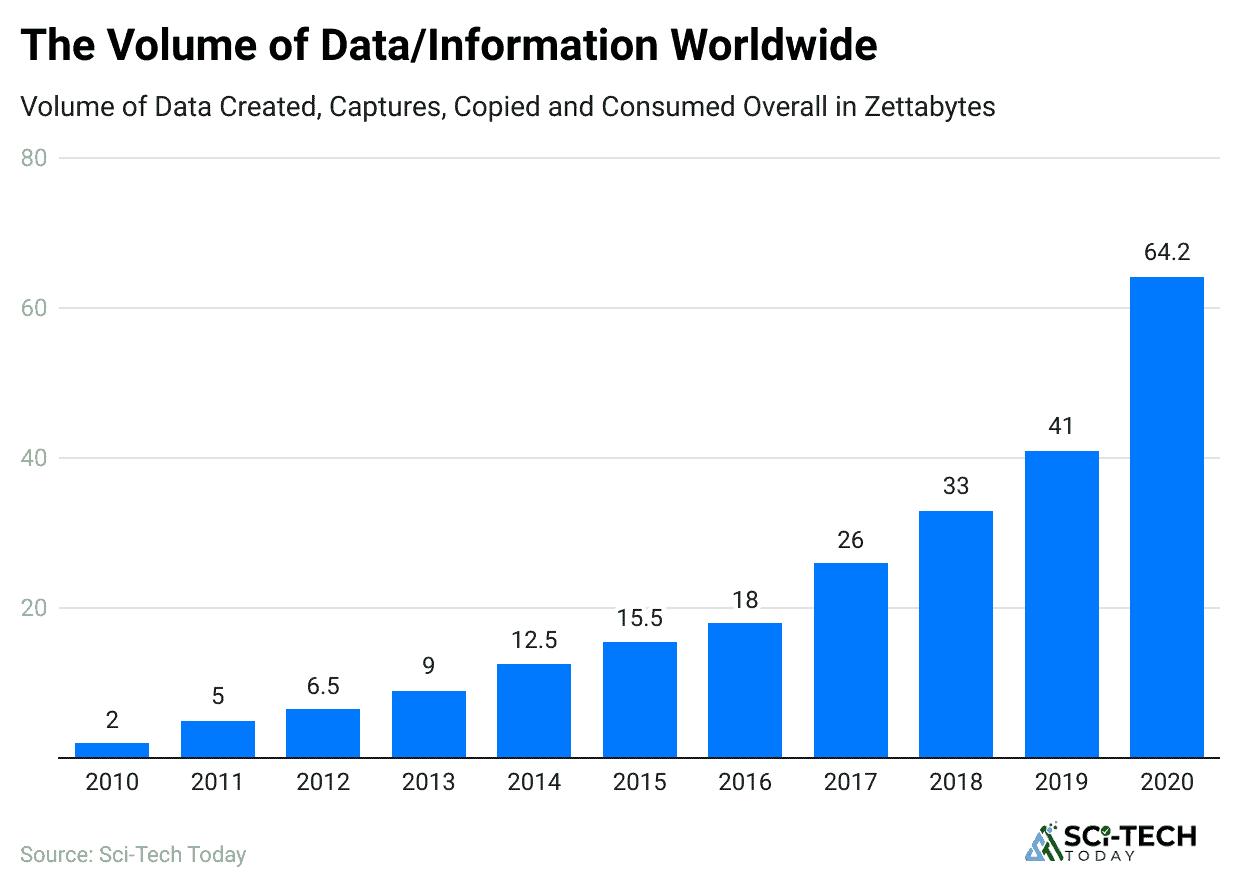
(Reference: market.us)
- The global data sphere is projected to hit 181 Zettabytes (ZB) by the year 2025, demonstrating an aggressive expansion that underscores the fact that Big Data is constantly changing.
- This immense volume growth translates to a daily creation rate of approximately 2.5 quintillion bytes, which equals 2.5 million terabytes of fresh data being added every 24 hours.
- The world officially entered the Zettabyte Era around 2012, when the total amount of digital data globally first surpassed the one-zettabyte mark.
- Current estimates suggest that over 90% of the world’s data has been generated in just the last few years, highlighting the steep, non-linear acceleration of data production driven by modern digital interactions and ubiquitous sensor deployment.
- The data generated per second is immense, with about 29 terabytes of new information being created across various platforms every moment, from financial transactions to social media posts.
| Time Span | Amount Of Data Created (Approximate) |
| Per Year (2025 Est.) |
181 Zettabytes |
|
Per Day | 2.5 Million Terabytes |
| Per Minute |
1,736 Terabytes |
|
Per Second |
29 Terabytes |
Big Data Market Size
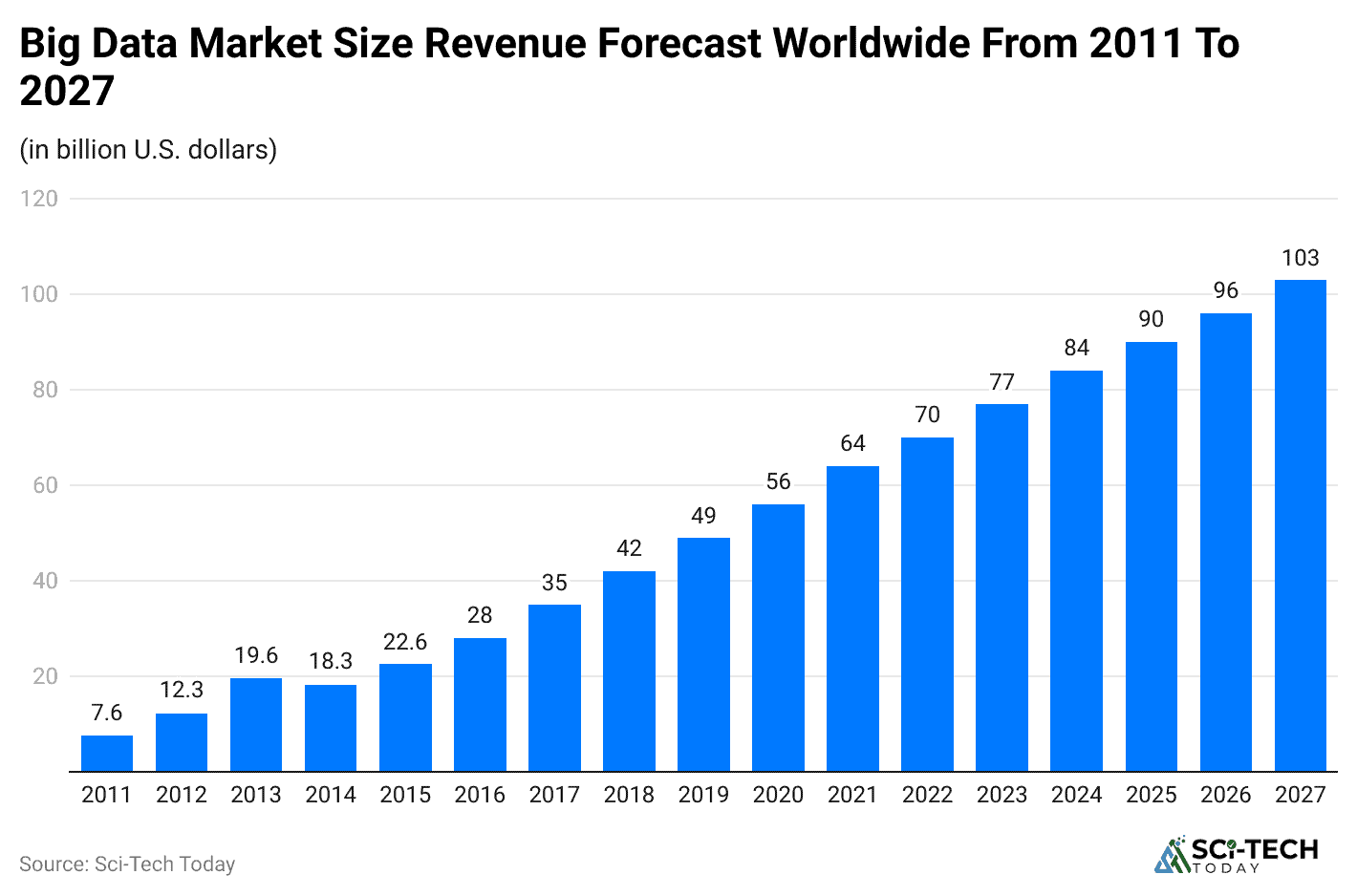
(Reference: statista.com)
- The global Big Data analytics market was valued at a substantial $348.21 billion in 2024.
- Projections indicate the market is set for tremendous expansion, expected to reach a value of $961.89 billion by 2032, which is fueled by a compound annual growth rate (CAGR) of 13.5%.
- North America currently leads the global data analytics market, commanding an approximate 34.7% revenue share.
- The rapid growth is also seen in specialized segments, such as the Big Data Software Market, which is projected to grow from $232.74 billion in 2024 to an estimated $686.08 billion by 2032, with a CAGR of 14.47%.
| Year | Global Big Data Analytics Market Size (USD Billion) | Compound Annual Growth Rate (CAGR) |
| 2023 | $307.52 billion | N/A |
| 2024 | $348.21 billion (Estimated Base) | 13.5% (2024 to 2032 Forecast) |
| 2028 | $578.06 billion (Projected) | Consistent high growth |
| 2032 | $961.89 billion (Projected) | Reflecting sustained enterprise investment |
Big Data Adoption
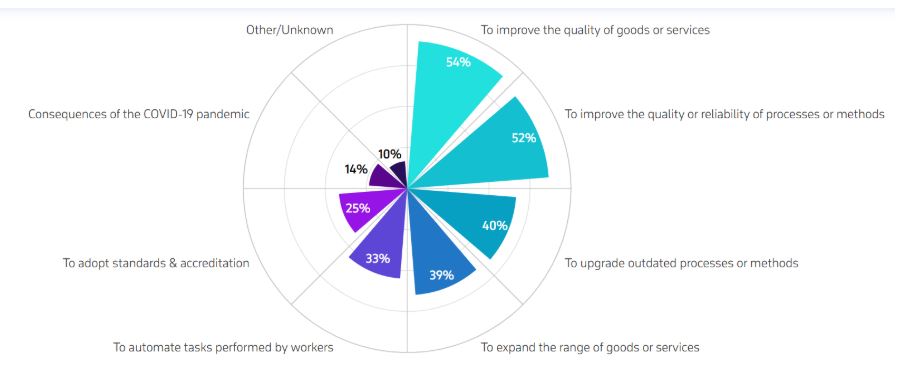
(Source: itransition.com)
- A lot of companies are adopting big data for practical reasons to work more smoothly, and they need more sold procedure for effective operations.
- The above chart shows that the 555 of firms adopt big data to raise the quality of their goods or services.
- 52% say they use it to make processes and methods more dependable or better overall for day-to-day performance to achieve key goals.
- 40% use big data to replace old ways of working, and 39% use it to broaden the goods or services they offer.
- Companies use big data as a tool for fixing internal work and for improving customer-facing output.
- 33% use big data to automate tasks that workers do, and 25% use it to meet required rules and accreditation needs.
- 14% point to COVID-19 fallout as a reason, and 10% list is for other or unknown causes.
- The big data adoption is enhanced by quality, reliability, and upgrades to business processes.
Increasing Importance Of Big Data Security
- Big data security is getting more attention at work, and now more teams store bigger and more segmented data, which raises risk.
- In 2025, the typical cost of a data breach was $4.4 million on average worldwide, which is 9% lower than the year before.
- Companies also report that AI in data security can cut costs by about $1.9 million, which indicates better security choices.
- About 27% of business leaders put data protection and data trust in their top three cyber goals for the next 12 months for managed services.
- Only 14% of security and risk leaders say they can do both. They can protect company data and still enable its use in day-to-day work.
- The global big data security market is forecast to rise from $31.85 billion in 2026 to $104.79 billion by 2034, with a CAGR of 16.05%.
- North America leads right now, with a value of $10.15 billion and a 37.04% share.
- The above trends point to the fact that Organizations want to guard data and still keep it available for business needs.
Challenges of Big Data
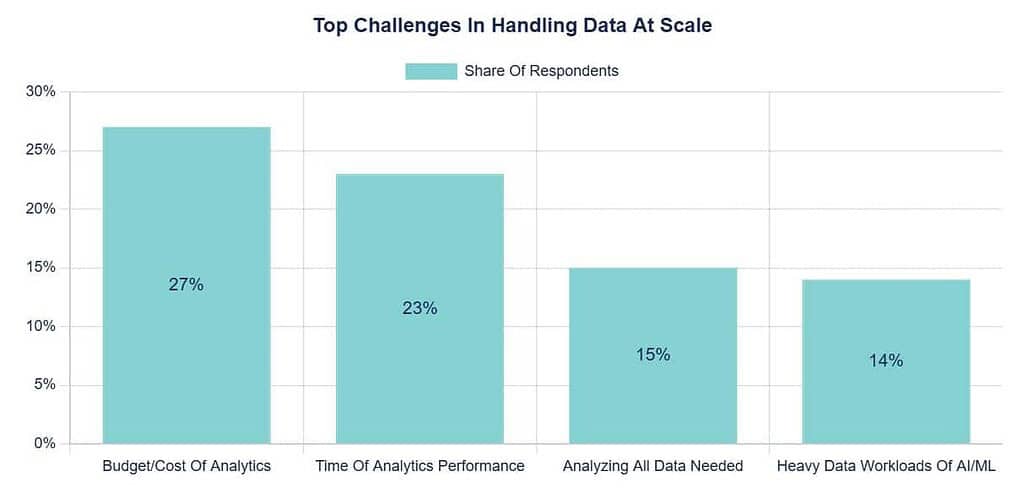
(Source: digitalsilk.com)
- The chart shows several challenges that stop firms from getting value out of big data, which run across skills, money, trust, data quality, and funding.
- 77% of companies say they lack the data analytics skills and people they need.
- 62% of data and analytics leaders expect talent recruiting to slow them down.
- 27% of firms name budget control and overall analytics cost as their main issue when they work with large datasets.
- 48% of businesses simplify or lower the complexity of queries just to keep big data analytics costs in check.
- 60% of respondents say data-driven decisions are a top aim, and 67% admit they do not fully trust the data inside their own organization.
- 64% of companies pick data integrity as their top data issue, and 54% list a lack of funding as a major blocker for running effective data programs.
- Firms need to have capable staff, dependable data, steady funding, and costs they can manage through these changes; then the teams can make data-driven decisions with more confidence.
Big Data in Finance
- The Big Data Finance Market was valued at USD 62.4 billion in 2024 and is expected to grow at a CAGR of 16.5%, reaching around USD 287.37 billion by 2034.
- Growth is driven by the increasing use of AI-based financial modeling, advanced analytics, and real-time data processing in banking, insurance, and investment sectors.
- North America held a 40.2% market share in 2024, valued at about USD 25.08 billion, due to a strong financial ecosystem and innovation in fintech.
- The United States dominated the regional market with a valuation of USD 22.47 billion in 2024, projected to reach USD 89.34 billion by 2034, expanding at a CAGR of 14.8%.
- The region’s leadership is supported by high digitalization and growing use of cloud-based analytics in financial operations.
- By component, software accounted for 64.3% of the total market, indicating the high demand for AI-driven analytics and modeling platforms.
- By deployment mode, cloud-based solutions led with 60.5%, supported by their scalability, lower costs, and integration flexibility.
- By application, risk and compliance management held 31.2%, showing that financial institutions are focusing on regulatory compliance and fraud prevention.
- By data type, structured data made up 50.8% of the market, reflecting its importance for transactional and customer behavior analysis.
- By end-user, retail banking represented 41.3%, driven by the growing use of big data for personalized services, customer segmentation, and predictive risk assessment.
Maritime Big Data
- The Global Maritime Big Data Market is expected to reach USD 12.39 billion by 2034, increasing from USD 3.2 billion in 2024, with a CAGR of 14.5% between 2025 and 2034.
- In 2024, the Asia-Pacific region held a dominant position with over 36.5% market share, generating about USD 1.15 billion in revenue.
- Environmental Data emerged as the leading data type, contributing 32.6% of the overall market share.
- The Fleet Management application category led the market, securing a 28.8% share.
- On-premises deployment remained the top preference, accounting for a 62.8% share of the total market.
- Commercial Shipping was identified as the largest end-user segment, representing 42.8% of the market.
- The Asia-Pacific region dominated the global market with a 36.5% share and revenue of approximately USD 1.15 billion.
- China contributed significantly, recording USD 0.46 billion in 2024 and is forecasted to grow at a CAGR of 11.8%.
- The China Maritime Big Data Market was valued at USD 0.5 billion in 2024 and is projected to reach about USD 1.4 billion by 2034.
Big Data in E-commerce
The general surge in Big Data adoption is now manifesting in specific, highly profitable sectors, with e-commerce and professional consulting leading the charge. These statistics demonstrate that these specialized markets are accelerating. Let’s break it down.
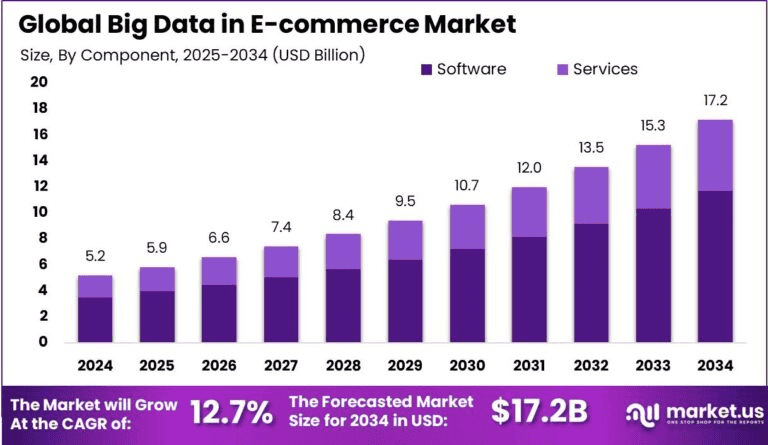
(Source: market.us)
According to Market.us, the digital shopping sphere is arguably the largest real-time producer of transactional and behavioral Big Data, making it a primary target for advanced statistical analysis. The numbers reveal an aggressive market expansion powered by the demand for customer personalization and operational efficiency.
- The Big Data in the E-commerce market is set to triple in value, projected to rise from a solid $5.9 billion in 2025 to an estimated $17.2 billion by 2034.
- This substantial market expansion is underpinned by a vigorous compound annual growth rate (CAGR) of 12.7% over the decade spanning from 2025 to 2034.
- North America holds a significant lead in this digital transformation, commanding a dominant 40% of the Big Data for e-commerce market share in 2024, which generated revenue of $2.08 billion through its mature digital infrastructure.
- The United States alone represents a major sub-segment, with its dedicated Big Data e-commerce market valued at $1.9 billion in 2024, and it is forecasted to maintain a strong 10.4% CAGR in the immediate future.
- The foundational tools powering this analytical drive are software solutions, which captured an authoritative 68% of the market share in 2024.
- Scalability is primarily delivered via the cloud, as the cloud-based deployment segment dominated the sector with a 65% share in 2024.
- A statistical counter-trend in this market is the prominence of structured data, which secured 57% of the market share.
- The central application of this technology is focused squarely on the consumer, with the Customer Experience Management (CEM) segment accounting for 30% of the market share in 2024.
- The retail sector remains the primary end-user, leading the Big Data in the e-commerce market with a 40% share in 2024.
- The commercial impact of personalization is statistically proven, as a strong 87% of consumers are reportedly more likely to complete a purchase when they encounter a personalized shopping journey on an e-commerce platform.
- Effective Big Data utilization translates directly to internal efficiency, as analysis shows that 52% of e-commerce companies achieve superior customer insights and 47% successfully reduce operational costs.
| Category | Insight (2024/2025 Data) | Value/Rate |
| Market Valuation Trajectory | Projected Market Size by 2034 | $17.2 Billion (from $5.9B in 2025) |
| Growth Rate | Compound Annual Growth Rate (CAGR 2025-2034) | 12.7% |
| Geographic Dominance | North America’s Market Share in 2024 | 40% (Revenue: $2.08 Billion) |
| Technology Focus | Market Share commanded by the Software Segment in 2024 | 68% |
| Deployment Preference | Market Share commanded by Cloud-Based Solutions in 2024 | 65% |
| Most Valuable Data Type | Market Share captured by Structured Data in 2024 | 57% |
| Top Application | Share of the Customer Experience Management (CEM) Segment in 2024 | 30% |
| Consumer Behavior Impact | Consumers are likely to purchase with Personalization | 87% (More Likely) |
| Internal Efficiency Gains | Percentage of companies reducing operational costs via Big Data | 47% |
Big Data in Oil and Gas
- The Global Big Data in Oil and Gas Market is expected to reach USD 10.1 billion by 2034, up from USD 3.1 billion in 2024, growing at a CAGR of 12.5% between 2025 and 2034.
- North America dominated the market in 2024, holding over 35.8% of the total share and generating around USD 1.1 billion in revenue.
- The United States market was valued at USD 0.84 billion in 2024 and is projected to grow at a CAGR of 12.8% during the forecast period.
- The use of advanced technologies in the oil and gas sector has improved operations significantly, resulting in a 25% increase in operational efficiency and 20% faster drilling design planning for new wells.
- Hydrocarbon recovery factors have improved by 10%, while predictive maintenance has reduced downtime by 35%.
- Non-productive time in drilling operations has been cut by 75%, leading to more efficient use of resources.
- Drilling costs have dropped by 15%, and emission levels have decreased by 30% through data-driven optimization.
- Big Data analytics has increased production rates by 6% to 8% and reduced unplanned downtime by 30%, improving overall productivity.
- Maintenance expenses have been reduced by 15%, with more than 90% of oil and gas companies using Big Data tools to enhance efficiency and sustainability.
- The Software segment led the market in 2024, accounting for over 45.1% of the share, driven by predictive analysis and decision-support applications.
- The Upstream segment held a strong position with 43.5% of the market, supported by high demand for data-based exploration and production.
- The Exploration segment contributed 39.8% to the global share, showing the growing importance of analytics in improving exploration precision.
- The International Energy Agency (IEA) noted that oil and gas companies currently invest only 1% of total capital expenditure outside their main operations, indicating a strong opportunity for investment in analytics and technology-driven growth.
Big Data Consulting
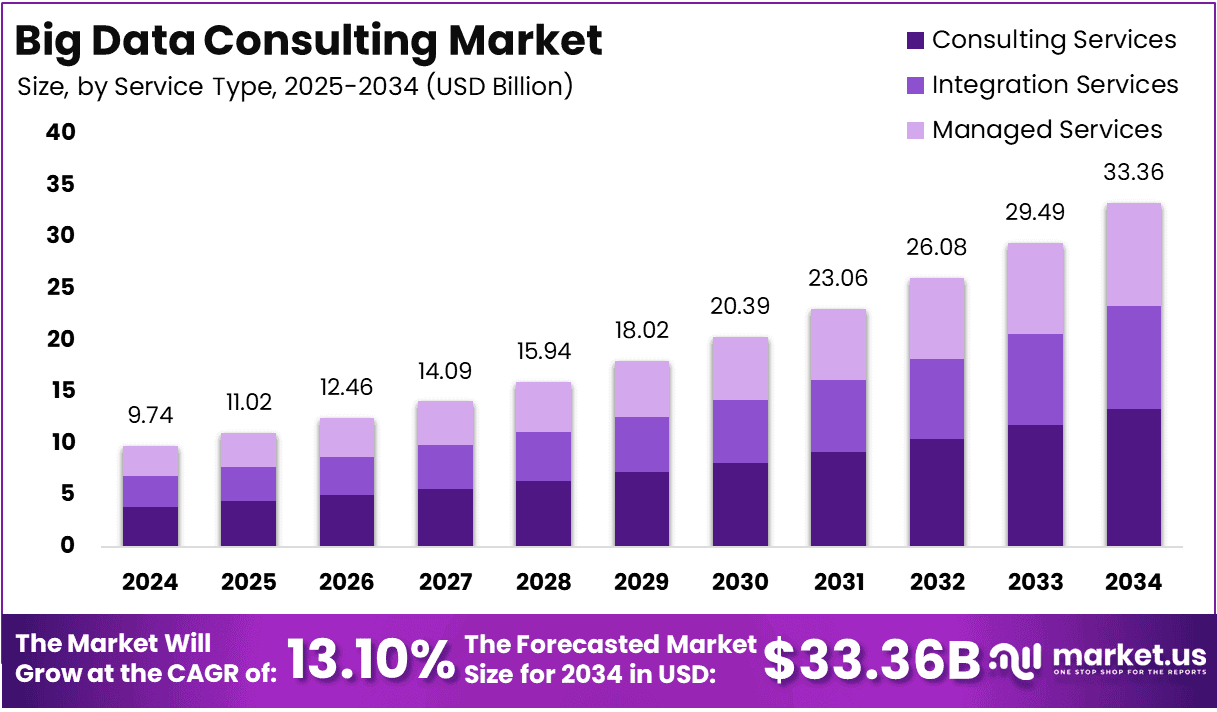
(Source: market.us)
According to Market.us, the overwhelming complexity of managing and extracting value from Big Data has created a booming secondary market for expert guidance. The Consulting sector capitalizes on the talent deficit and the need for customized data roadmaps across global enterprises.
- The global Big Data Consulting market is poised for an exceptional tripling of its valuation, slated to grow from a significant $11.02 billion in 2025 to a massive $33.36 billion by 2034.
- This explosive segment is driven by a remarkable compound annual growth rate (CAGR) of 13.10% over the ten-year forecast period.
- North America holds the largest concentration of this expertise, accounting for more than 38% of the global consulting market in 2024, generating approximately $3.70 billion in total regional revenue.
- The United States reinforces this regional dominance, generating an estimated revenue of $3.43 billion within the North American market and maintaining a healthy internal CAGR of 11.8% for consulting services.
- The inherent statistical and strategic difficulty of Big Data projects means that the consulting services segment, focused on custom strategies and implementation, commanded more than 40% of the market share in 2024.
- Despite the push toward cloud flexibility, large enterprises prefer data control, evidenced by the on-premises segment capturing over 57% of the consulting market share in 2024 for deployment models.
- This preference for on-premises solutions is often driven by heavily regulated industries; the BFSI (Banking, Financial Services, and Insurance) sector is the leading client vertical, holding more than 21% of the market share in 2024.
| Category | Insight (2024/2025 Data) | Value/Rate |
| Market Valuation Trajectory | Projected Market Size by 2034 | $33.36 Billion (from $11.02 in 2025) |
| Growth Rate | Compound Annual Growth Rate (CAGR 2025-2034) | 13.10% |
| Geographic Dominance | North America’s Market Share in 2024 | 38% (Revenue: $3.70 Billion) |
| Dominant Service Type | Market Share commanded by Consulting Services in 2024 | 40% |
| Deployment Preference | Market Share commanded by On-Premises Solutions in 2024 | 57% |
| Leading Client Sector | Market Share held by BFSI (Banking, Finance, and Insurance) in 2024 | 21% |
| US Market Value | US Revenue for Big Data Consulting in 2024 | $3.43 Billion |
| US Growth Rate | US Consulting Market CAGR Forecast | 11.8% |
Big data in EdTech
- The Global Big Data in EdTech Market is projected to reach USD 112.7 billion by 2034, rising from USD 17.6 billion in 2024, with a strong CAGR of 20.40% between 2025 and 2034.
- In 2024, North America dominated the global market, holding over 37.2% of the total share and generating revenues of nearly USD 6.5 billion.
- The software segment was the leading category in 2024, accounting for more than 68.3% of the total market, due to widespread use of data analytics and learning management tools.
- The behavior detection segment held a key role, representing over 35.4% of the market share in 2024, as schools and institutions used analytics to understand student engagement and learning behavior.
- The K-12 education segment was the largest end-user group in 2024, capturing around 46.4% of the market, driven by the growing need for personalized learning experiences and performance tracking in schools.
- North America remained the dominant regional contributor in 2024, maintaining a 37.2% market share and producing about USD 6.5 billion in revenue.
- The U.S. Big Data in EdTech market alone was valued at approximately USD 5.65 billion in 2024 and is expected to record a CAGR of 21.3%, supported by rapid digital transformation across educational institutions.
Big Data in Healthcare
- The Global Big Data in Healthcare Market is projected to reach USD 145.8 Billion by 2033, rising from USD 42.2 Billion in 2023, with a CAGR of 13.2% between 2024 and 2033.
- The market is segmented by component into software and services, with the software segment leading the market by holding 58% share in 2023.
- Based on deployment, the cloud segment dominates with 52% of the total market share, indicating strong adoption of cloud-based data analytics in healthcare.
- In terms of application, the financial segment accounts for 29% share, showing the importance of big data in cost management and financial decision-making.
- By end use, hospitals and clinics captured 38% of the market, reflecting their growing reliance on data analytics to improve patient care and operational efficiency.
- Regionally, North America holds the leading position with 33% of the total market share, supported by advanced healthcare infrastructure and early adoption of digital health technologies.
- The market growth is further supported by technological advancements, particularly the integration of artificial intelligence and machine learning with big data analytics, which enhance predictive healthcare models and improve patient outcomes.
Business Adoption and ROI in Big Data Analytics
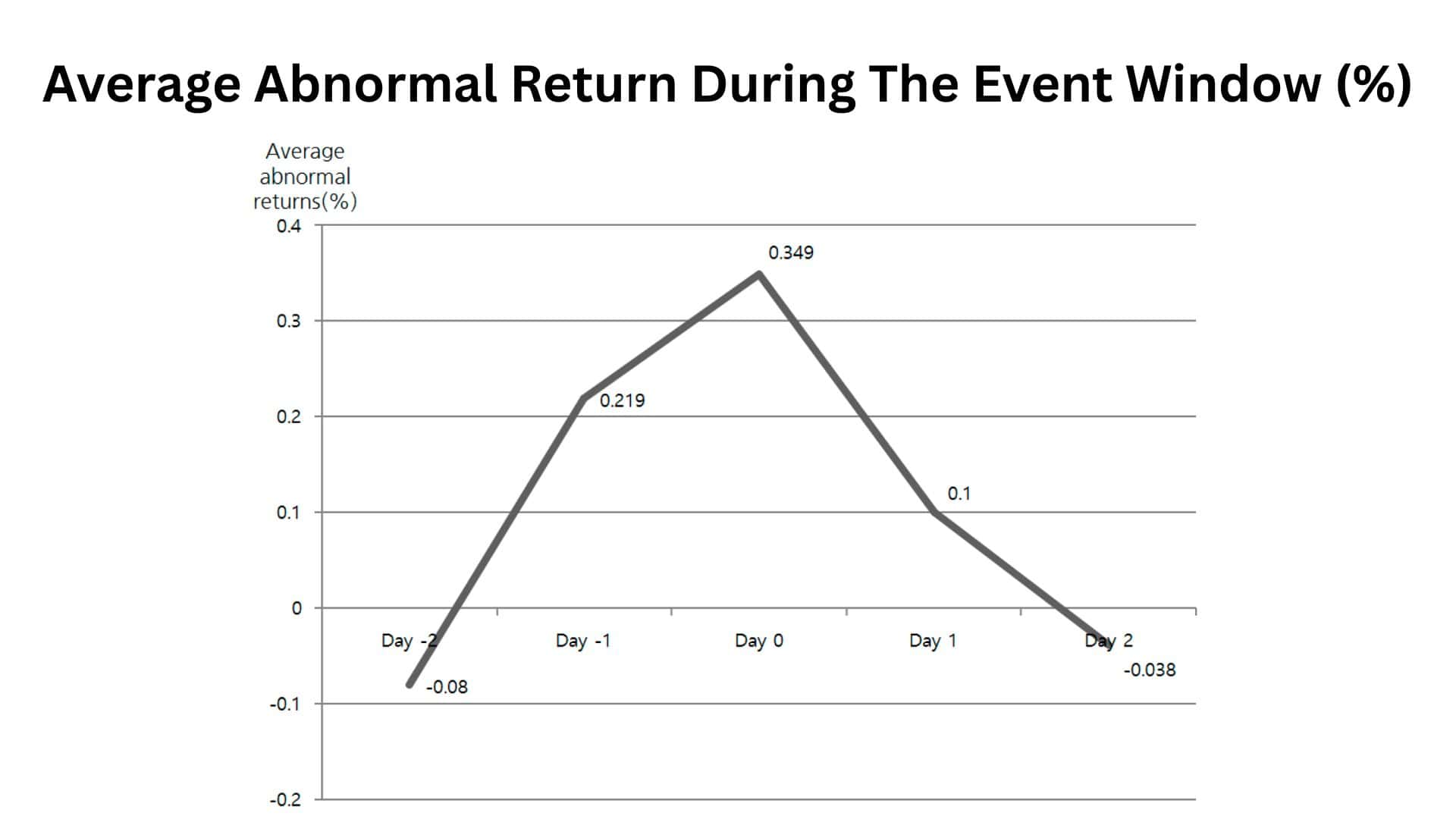
(Source: mdpi.com)
- An overwhelming 97.2% of organizations globally have invested in the domains of Big Data and artificial intelligence.
- Despite this high investment rate, a significant gap in capability exists, as only 40% of companies worldwide.
- Companies that successfully integrate and quantify their gains from Big Data analytics have reported significant financial benefits, including an average 8% increase in overall revenues and a 10% reduction in operational costs.
- The primary benefit cited by business executives is the ability to make better strategic decisions, noted by 69% of companies that have adopted Big Data solutions.
- Furthermore, 76% of businesses surveyed view real-time data analytics as an essential component of their operations, with 80% recognizing its rapidly increasing significance for competitive advantage in their sector.
| Quantifiable Business Benefit | Reported Percentage of Companies |
| Improved Strategic Decisions | 69% |
| Improved Control of Operations | 54% |
| Better Customer Understanding | 52% |
| Average Revenue Increase | 8% |
| Average Cost Reduction | 10% |
Industry-Specific Big Data Impact
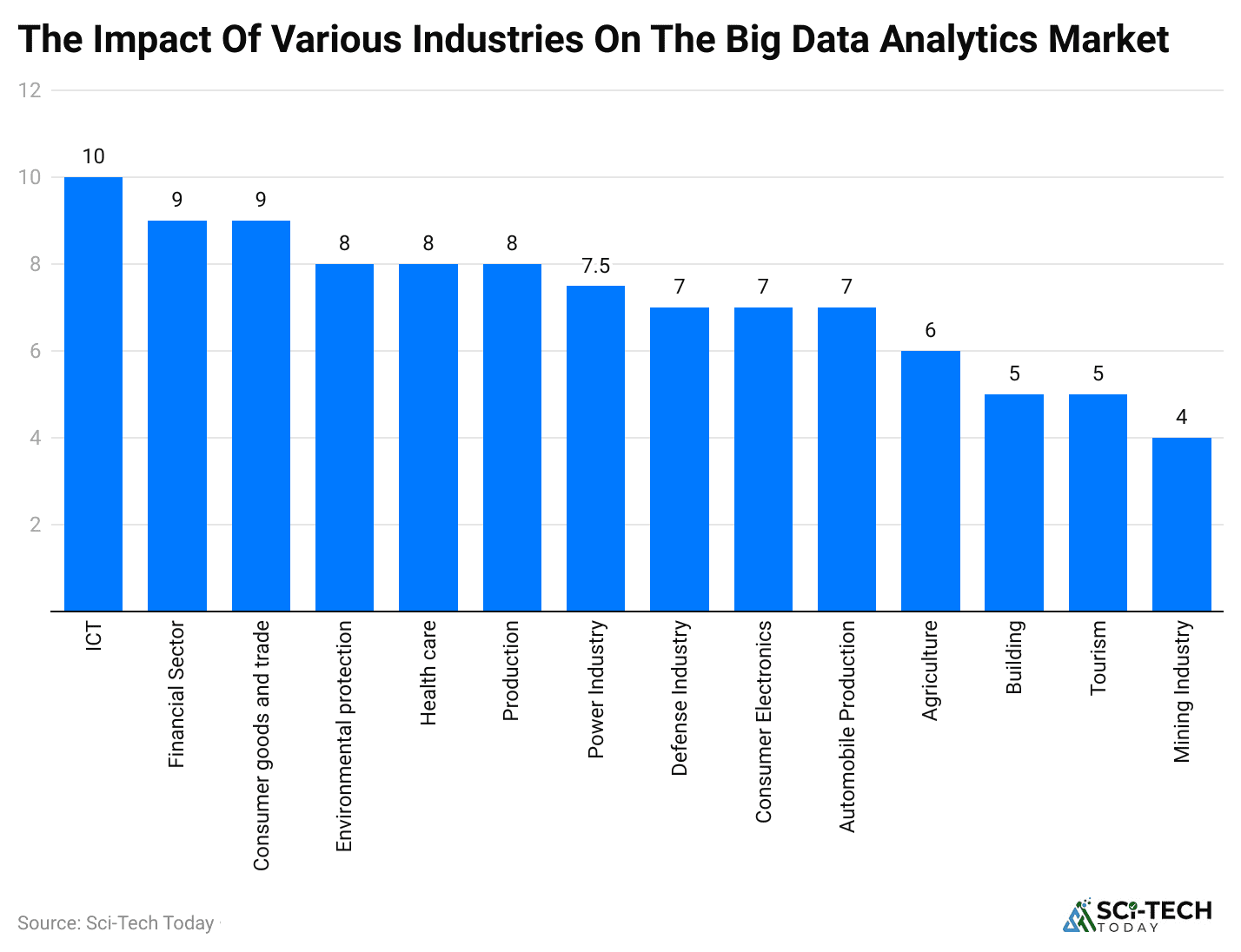
(Reference: researchgate.net)
- In the Financial Services sector, Big Data algorithms are critical for fraud detection, where real-time analysis can identify fraudulent transactions with an accuracy rate exceeding 99%.
- The Healthcare industry stands to gain immensely, with estimates suggesting that the implementation of Big Data analytics could save the US healthcare system alone up to $300 billion annually by improving clinical efficiency.
- 60% of healthcare organizations have already adopted the technology for specific purposes, including achieving a reported 25% reduction in diagnostic errors and a 17% increase in operational efficiency.
- The Telecommunications sector is a high adopter, with approximately 87% of telco businesses utilizing Big Data, predominantly to reduce customer churn and improve customer acquisition.
- Streaming giant Netflix is a famous case study, saving an estimated $1 billion per year purely through the effectiveness of its recommendation algorithms.
| Industry Sector | Adoption/Benefit | Impact |
| Healthcare | Cost Savings and Efficiency Improvement | Up to $300 billion annual savings potential in the US. |
| Financial Services | Fraud and Risk Management | Potential to achieve >99% accuracy in fraud detection. |
| Telecommunications | Customer Retention and Acquisition | 87% of businesses use it for customer metrics. |
| Retail/E-commerce | Recommendation Engine Savings | Netflix saves an estimated $1 billion annually through algorithms. |
| Manufacturing | Predictive Maintenance | Machine learning can predict equipment failure with up to 90% accuracy, reducing downtime. |
The Big Data Workforce- Statistics on Jobs and Salaries
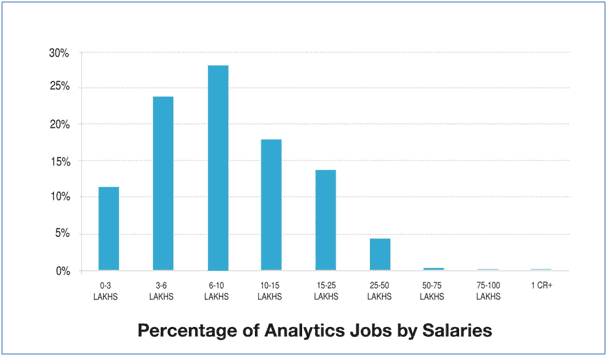
(Source: whizlabs.com)
- Employment for Data Scientists is projected to grow by a phenomenal 34% from 2024 to 2034, a rate dramatically faster than the average for all other occupations.
- This high demand translates to a significant volume of job openings, with an average of 17,700 openings for Data Scientists and related analytical roles expected each year over the next decade.
- The median annual pay for a Data Scientist in the US was approximately $112,590 in 2024.
- Salary increases are strongly correlated with experience; an entry-level Data Scientist with 0 to 1 years of experience earns a median total compensation of approximately $117,276, which rises to over $152,966 for those with 7 to 9 years of experience.
- The skills gap remains a major concern, as over 59% of small organizations are actively seeking employees with demonstrable data literacy skills.
| Job Role | 2024 Median Annual Pay (USD) | Projected Employment Growth (2024 to 2034) |
| Data Scientist | $112,590 | 34% (Much faster than average) |
| Mathematicians & Statisticians | $104,350 | 27% (Faster than average) |
| Financial Analysts | $101,910 | 10% (As fast as average) |
| Computer Systems Design | $128,020 (Top Industry Pay) | Driven by high-tech adoption |
The Future of Big Data Usage and Innovation
- Big data is heading toward closer links between teams, quicker choices, sharper customer fit, and clearer payoff for the business.
- In many places, data is no longer just a back office aid. It is starting to shape planning, daily operations, and long-term growth.
- A big change is the way business areas connect. When finance, operations, marketing, and product share the same data, teams can rely on one picture of what is happening.
- As the setup grows in size and variety, more companies will look for people with focused skills. They will need staff who can handle large platforms, read analytics, and use the results to guide business moves.
- More organizations are likely to expect analytics that happen right away. When data is processed as it comes in, it is easier to react fast, which can help with quick changes in operations when conditions shift.
- Teams can use what customers do, what they buy, and what context surrounds them. With that, companies can craft experiences that match real needs, which supports their goal of stronger engagement and more repeat loyalty.
- More attention to big data will go to business effects such as higher revenue, better operating efficiency, and stronger market share.
- Big data is becoming tied to routine business calls and to outcomes that can be measured.
Conclusion
Overall, the journey from the introduction of the term Big Data in the 1990s to the current environment of 181 zettabytes is a story of exponential, statistically significant growth. By 2025, the world will be churning out 2.5 quintillion bytes of information daily, mostly in the form of complex, unstructured data that challenges traditional statistical methods. The financial reality is equally with the Big Data analytics market barreling toward a $961.89 billion valuation by 2032.
So, it’s about the verifiable return on investment: from the 8% average revenue increase for adopting firms to the potential $300 billion annual savings in US healthcare. Big Data is the fundamental statistical substrate of the global economy and the driver of the most in-demand careers, evidenced by the 34% job growth projected for data scientists. I hope you guys find useful information in this article. Thanks for staying up till the very end. If you have any questions, you can always ping us via email or other means. We will try to answer them ASAP.
FAQ
The Big Data analytics market was valued at $348.21 billion in 2024 and is projected to reach $961.89 billion by 2032.
Approximately 2.5 million terabytes of data are generated each day globally.
The key challenges include lack of analytics skills, high costs, poor data quality, limited funding, and low trust in organizational data.
Companies using Big Data analytics report an average 8% increase in revenue and 10% reduction in operating costs.
Data Scientist employment is projected to grow by 34% from 2024 to 2034, much faster than average employment growth.

Sources