








Executive Overview
AI in Remote Patient Monitoring Statistics: Monitoring patients no longer requires them to visit a hospital for every checkup. With artificial intelligence, doctors can now remotely monitor patients‘ health using smart devices and wearable sensors. These tools collect vital health data, including heart rate, blood pressure, blood sugar, and oxygen levels. AI then analyzes this information to detect unusual changes and alert healthcare providers when they need attention.
This technology is especially useful for people living with diabetes, heart disease, and other long-term conditions. It also helps reduce frequent hospital visits, supports timely treatment, and makes patient care more accessible.
Recommended Pick
- The global AI in remote patient monitoring market was valued at USD 2.15 billion in 2025 and is estimated to reach USD 2.44 billion in 2026.
- Software platforms accounted for the largest market share at 70.24% in 2025.
- Cardiovascular monitoring remained the leading application, capturing 47.74% of the market.
- North America dominates the market, capturing 38% of the global share, while Europe and Asia-Pacific account for 26% and 24%, respectively.
- Medicare RPM payments reached USD 536 million in 2024, up 31% year over year.
- The University of Pittsburgh Medical Center achieved patient satisfaction scores above 90% by providing patients with remote monitoring devices and tablets.
- Around 98.62% accuracy for a transformer-based model that classifies diseases using Internet of Medical Things data.
- The U.S. leads global RPM adoption, with nearly 50 million consumers using monitoring devices.
- Approximately 97% of patients enrolled in RPM programs reported satisfaction with their experience.
- Cardiovascular monitoring accounted for the largest share at 74%, while anesthesiology and neurology each accounted for 9%.
- RPM reduced overall medical visits by 47% and hospital readmissions by up to 85%.
AI in Remote Patient Monitoring Market Size
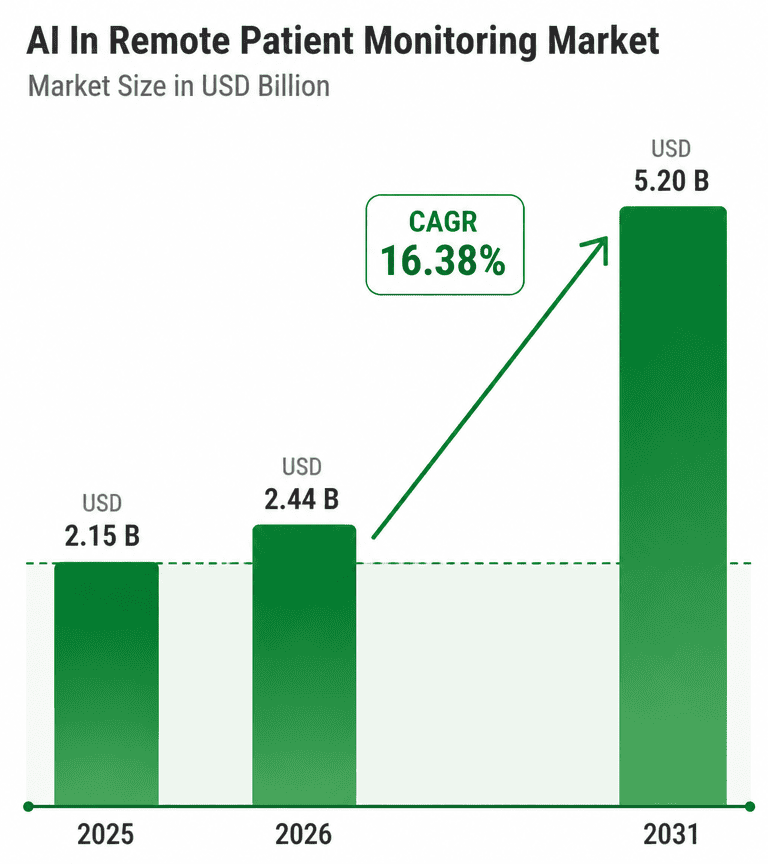
- The global AI in remote patient monitoring market was valued at USD 2.15 billion in 2025 and is estimated to reach USD 2.44 billion in 2026.
- The market is projected to grow to USD 5.20 billion by 2031, more than doubling its estimated 2026 value.
- The forecast shows a compound annual growth rate of 16.38% from 2026 to 2031.
Key Segmental Analysis
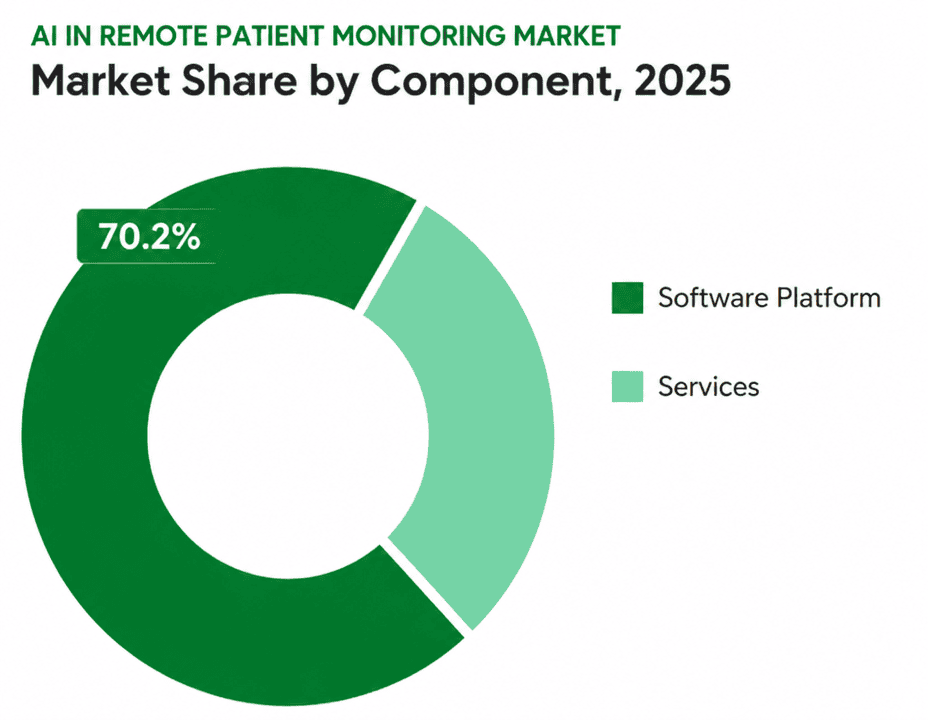
- Software platforms accounted for the largest market share at 70.24% in 2025.
- However, the services segment is expected to gain momentum, recording a 17.47% CAGR through 2031.
- Cloud-based solutions represented 55.76% of the market in 2025, with growth projected at an 18.37% CAGR.
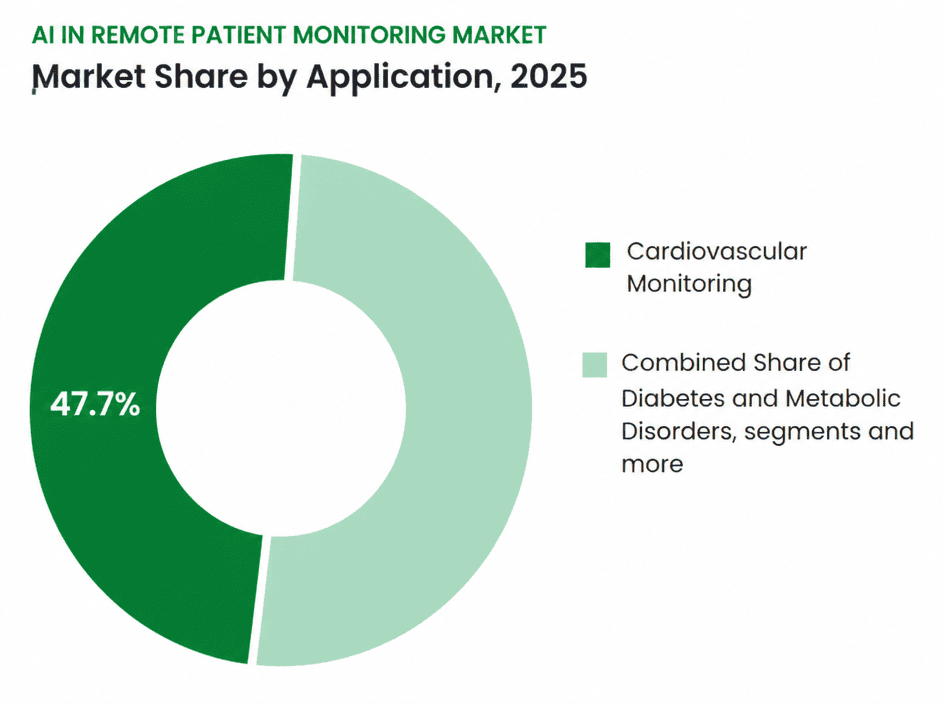
- Cardiovascular monitoring remained the leading application, capturing 47.74% of the market.
- Meanwhile, diabetes and metabolic monitoring are forecast to grow at a 17.86% CAGR from 2026 to 2031.
- Hospitals and clinics generated 50.25% of market revenue in 2025.
- Home-care services are expected to expand at a CAGR of 18.44% during the forecast period.
Regional Outlook
- North America dominates the market, capturing 38% of the global share, while Europe and Asia-Pacific account for 26% and 24%, respectively.
- The Rest of the World accounts for the remaining 12% of the market, according to a report from Fortune Business Insights.
- Germany accounts for 28% of Europe’s market, while the UK holds 22%.
- China leads the Asia-Pacific market with a 41% share.
- Japan accounts for 19% of the Asia-Pacific market.
Remote Patient Monitoring software and services Market Report
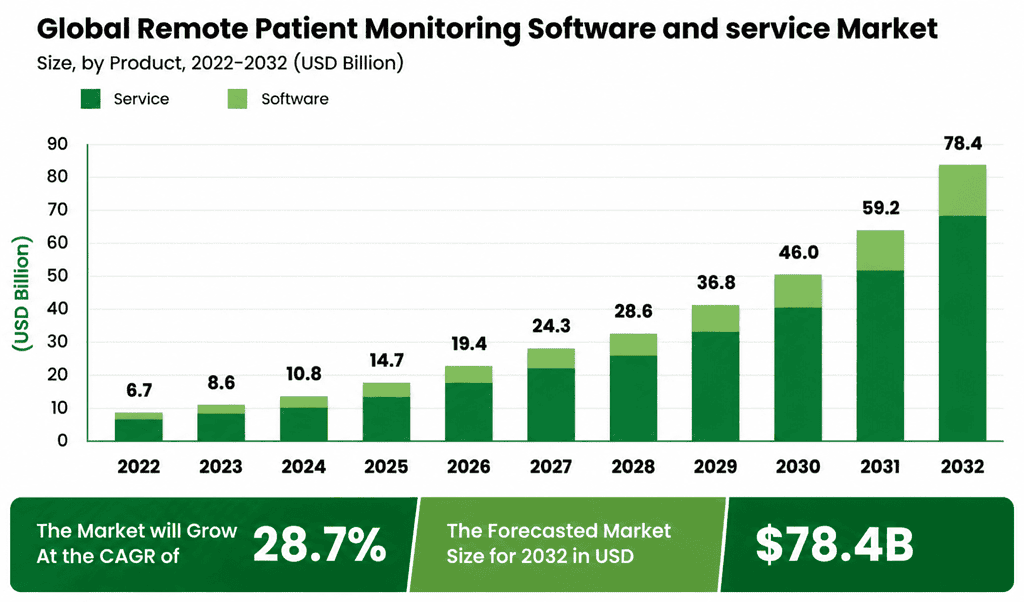
- The global market is projected to be around USD 19.4 billion in 2026.
- It is also forecast to reach USD 78.4 billion by 2032, with a CAGR of 28.7% from 2022 to 2032.
Medicare Remote Monitoring Billing Trends
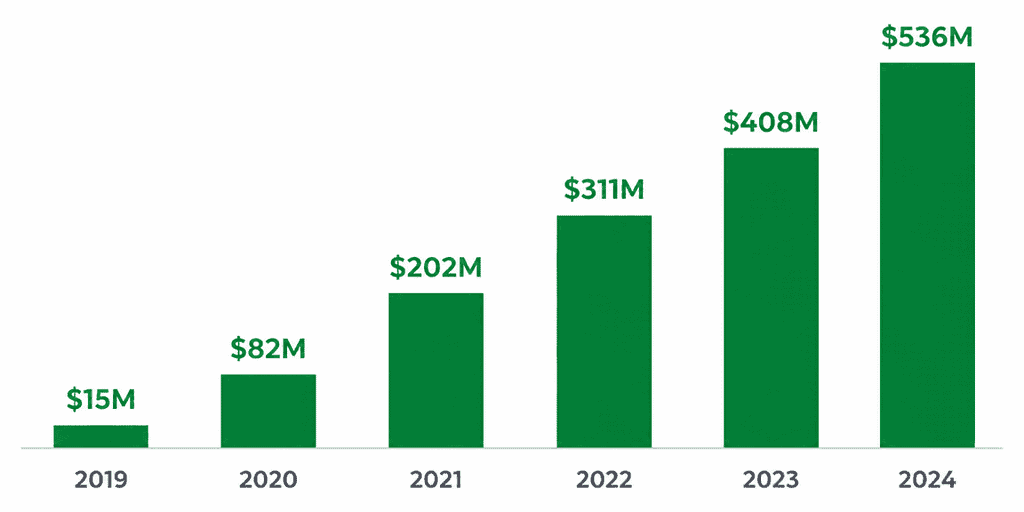
- Medicare RPM payments reached USD 536 million in 2024, up 31% year over year, according to the OIG.
- Nearly 1 million enrollees received RPM services, representing 27% growth from 2023.
- Around 4,639 medical practices regularly billed Medicare, typically monitoring about 70 patients per practice annually.
- However, 45 practices lacked prior medical relationships with more than 80% of monitored patients, while 52 practices did not bill for treatment management for over 75% of enrollees.
- Additionally, around 20 practices frequently bill for multiple devices per patient each month.
How Much Does Medicare Pay for Remote Patient Monitoring?
| CPT Code and Service | Average Medicare Reimbursement |
| 99453-Initial device setup and patient education | USD 21.93 |
| 99454-Device supply and data transmission (16+ days) | USD 70.34 |
| 99457-First 20 minutes of clinical management | USD 51.48 |
| 99458-Each additional 20 minutes of clinical management | USD 41.07 |
Key Statistics on Remote Patient Monitoring Adoption and Impact
- The University of Pittsburgh Medical Center achieved patient satisfaction scores above 90% by providing patients with remote monitoring devices and tablets.
- More than 25% of consumers said they would switch physicians to access better healthcare.
- According to a report published by Becker’s Hospital Review, remote patient monitoring reduces hospital admissions by 38% and emergency room visits by 51%.
- A Spyglass Consulting Group survey found that 88% of healthcare providers believed remote monitoring improves patient outcomes.
- Remote monitoring could save the healthcare industry up to USD 200 billion over 25 years.
- CMS reported approximately 150,000 U.S. patients enrolled in remote monitoring programs.
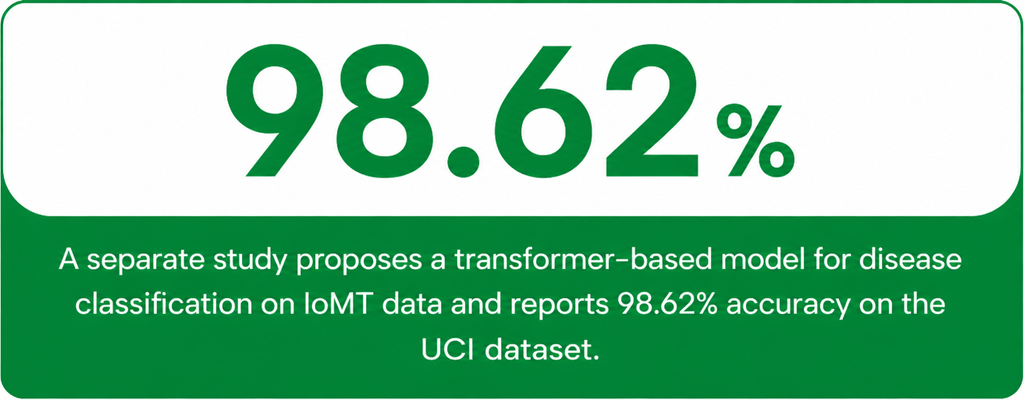
- Around 98.62% accuracy for a transformer-based model that classifies diseases using Internet of Medical Things data.
- A review of 47 FDA-approved AI RPM devices found that 12.8% were De Novo products, while the rest used the 510(k) pathway.
Patient Sentiment and Satisfaction
- According to a report published by Prevounce, the U.S. leads global RPM adoption, with nearly 50 million consumers using monitoring devices.
- More than 80% of the U.S. population views remote patient monitoring positively.
- Around 65%-70% of consumers are willing to use RPM programs to track vital health metrics, including blood pressure, heart rate, blood sugar, and blood oxygen levels.
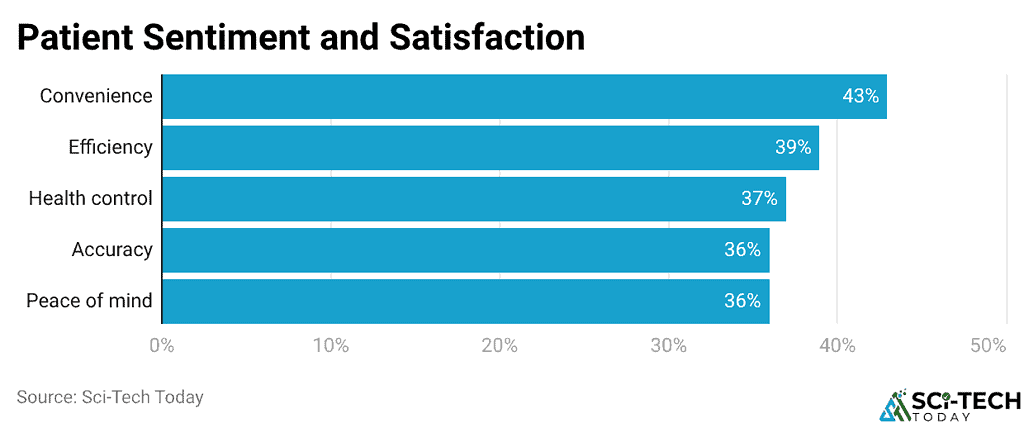
- Convenience leads at 43%, followed by efficiency at 39%.
- It is followed by health control (37%), accuracy (36%), and peace of mind (36%).
- RPM has reduced hospital readmissions by 76% and raised patient satisfaction to over 90%.
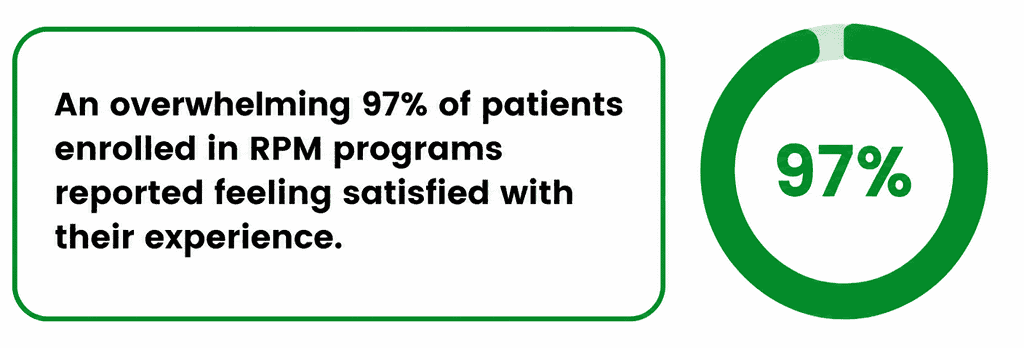
- Approximately 97% of patients enrolled in RPM programs reported satisfaction with their experience.
- Nearly 89% of patients reported that RPM tools improved their satisfaction with care.
AI in Remote Patient Monitoring: U.S. Healthcare Market Insights
- A National Library of Medicine study examined 47 FDA-approved remote patient monitoring (RPM) devices.
- Of these, 12.8% received De Novo approval, while the remainder were cleared through the 510(k) pathway.
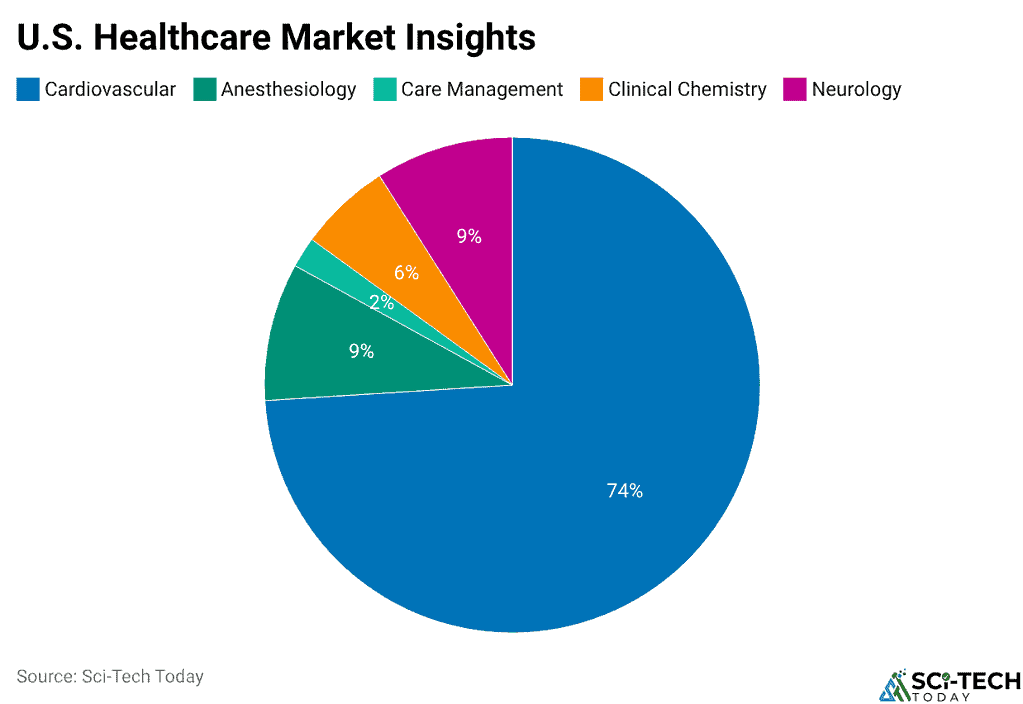
- Cardiovascular monitoring accounted for the largest share at 74%, while anesthesiology and neurology each accounted for 9%.
- Clinical chemistry accounts for 6% of the market, whereas care management holds a smaller 2% share.
- ECG-based arrhythmia detection represented 59.4% of the solutions.
- Hemodynamics and vital sign monitoring algorithms accounted for 21.9% of the market.
Key Features of Selected U.S. Remote Patient Monitoring Providers
| Provider | Category | Clinical Focus & Key Features |
| Health Recovery Solutions | Full-service RPM | 90+ care plans; chronic disease and post-discharge monitoring. |
| Medtronic | Device-centric RPM | 75+ years of expertise; cardiac implants and AI-powered arrhythmia analysis. |
| Philips | Full-service RPM | Cardiology, COPD, diabetes, and AI-driven trend analysis. |
| Optimize Health | RPM + Clinical Services | Hypertension and diabetes management, nurse monitoring, and billing support. |
| Accuhealth | Full-service RPM | 100K+ patients; 24/7 monitoring and 24-hour integration. |
| Cadence | RPM + Virtual Clinicians | Heart failure, hypertension, COPD, and Type 2 diabetes management. |
| Athelas | RPM + Diagnostics | In-home blood testing, oncology monitoring, and real-time alerts. |
| CareVive | RPM Software | Oncology symptom management, medication adherence, and clinical intelligence. |
| Biofourmis | RPM + Analytics | Reported 70% lower 30-day readmissions; hospital-at-home monitoring. |
| AiCure | Clinical Trial RPM | AI-powered medication adherence and digital biomarkers. |
| Current Health | RPM + Logistics | Partnerships with 5 of the top 10 pharmaceutical companies for clinical trials. |
Impact of Remote Patient Monitoring on Healthcare Outcomes
- According to a report by Dialog Health, a study of 25 healthcare institutions found that remote patient monitoring reduced hospitalizations in 38% of participating organizations.
- Chronic care complication admissions declined by 19%-41%, while COPD readmissions fell by up to 53%.
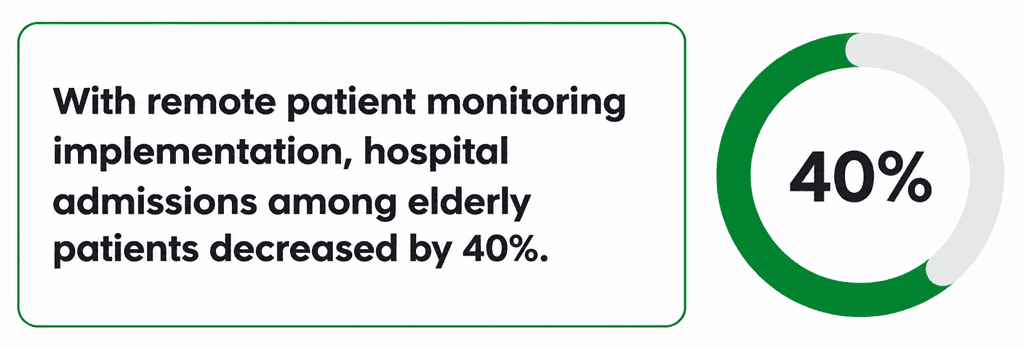
- Hospital admissions among elderly patients decreased by 40%, while emergency doctor visits dropped by 51%.
- RPM reduced overall medical visits by 47% and hospital readmissions by up to 85%.
- Deaconess Health reported a 50% reduction in 30-day readmissions, saving USD 500,000.
- Around 19% of healthcare companies reported lower expenses after adopting RPM.
- Mayo Clinic reported 11.4% ER visits, 9.4% hospitalizations, and 0.4% fatalities within 30 days.
- Among COVID-19 home-monitoring patients, 95.5% recovered, 10.6% required hospitalization, and 0.2% died.
Remote Patient Monitoring Is Improving Healthcare Delivery
- According to HealthArc’s report, RPM can raise patient engagement by up to 80%, and care-plan compliance exceeds 70%.
- Patient satisfaction with RPM reaches approximately 90%.
- RPM reduces readmissions by 76%, with high-risk patients recording 0.4% 30-day mortality.
- RPM can cut hospitalizations by up to 25%.
- It improves medication adherence by 15%-20% and lowers systolic blood pressure by 10 mm Hg.
- RPM can reduce hospitalizations by up to 25% and improve medication adherence by 15%-20%.
- Regular monitoring can lower systolic blood pressure by 10 mm Hg.
- Cost savings are another major benefit, with potential annual savings of USD 1,000 per patient.
- Around 17% of providers have reported lower healthcare costs.
- Adoption continues to expand, with 53% of physicians using RPM and 60% of patients willing to adopt the technology for chronic care.
- Investment is also growing, as 90% of healthcare providers are investing in RPM technology.
AI Improves Remote Patient Monitoring Outcomes
- Tenovi reported that an AI coaching trial involving 141 participants reduced systolic blood pressure by 5.6 mm Hg.
- After 12 weeks, diastolic blood pressure also declined by 3.8 mm Hg, showing measurable improvement.
- At 24 weeks, reductions reached 8.1 mm Hg and 5.1 mm Hg, respectively.
- Stage 2 patients saw larger drops of 14.2 mm Hg and 8.1 mm Hg.
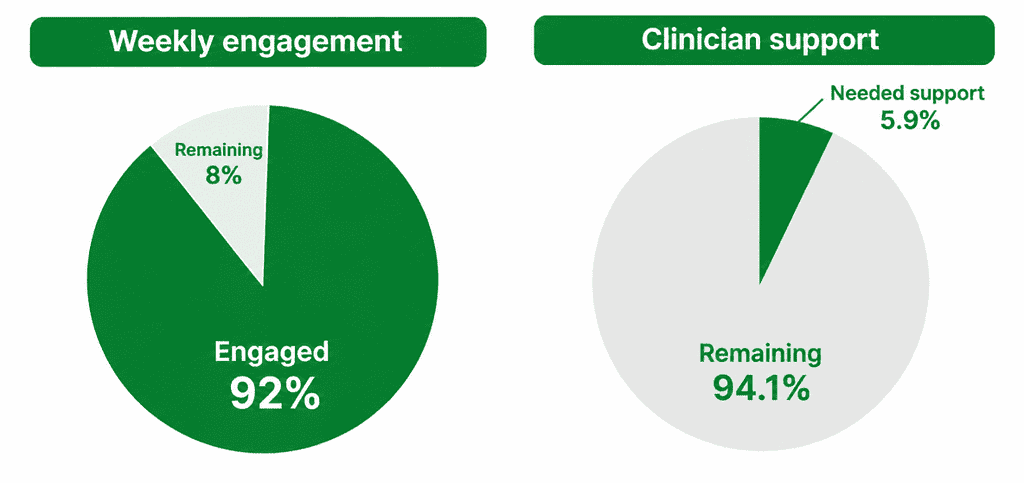
- Weekly engagement reached 92%, while only 5.9% needed clinician support.
AI in Remote Patient Monitoring: Applications and 2026 Evidence
| RPM Domain | Numeric Valuations |
| Cardiovascular | A March 2026 study published on PubMed Central analyzed 2,297 ECG signals and achieved a classification accuracy of 95.2%. |
| Diabetes | A 2026 review of 30 studies found that AI glucose prediction could cover 15 minutes to 24 hours. |
| Respiratory | Among 220 COPD patients, 84.8% reported 4.4-day early warnings. |
| Hypertension | CMS requires blood pressure data to be transmitted on 2 days per 30-day period for qualifying RPM services. |
Wearable Technology in Remote Monitoring of Chronic Diseases: Key Research Findings
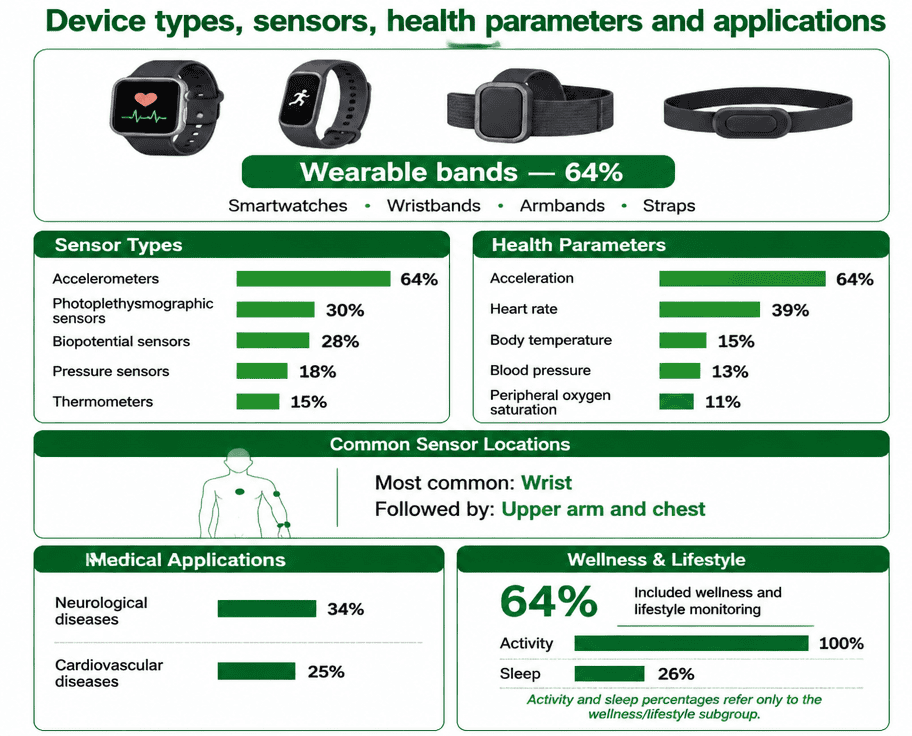
- According to a systematic review published in PMC, accelerometers were the most widely used sensors (64%).
- It wass followed by photoplethysmographic sensors (30%), biopotential meters (28%), pressure sensors (18%), and thermometers (15%).
- Researchers mainly tracked physical movement (64%) and heart rate (39%).
- Other monitored parameters included body temperature (15%), blood pressure (13%), and peripheral oxygen saturation (11%).
- Neurological conditions represented 34% of medical applications, compared with 25% for cardiovascular diseases.
- Beyond disease management, 64% of the studies explored wellness monitoring, covering physical activity (100%) and sleep (26%).
Final Overview
AI is changing how healthcare providers monitor patients outside hospitals. With the help of smart devices and real-time health data, doctors can spot health problems early and provide care when needed. This also helps patients manage long-term conditions and avoid unnecessary hospital visits.
However, data security, privacy concerns, and high costs still need attention. As technology improves, AI will make remote patient monitoring more reliable, accessible, and useful for everyday healthcare.
FAQ
AI can remotely monitor diabetes, heart disease, hypertension, respiratory disorders, sleep apnea, and neurological conditions.
AI enables early disease detection, continuous monitoring, personalized care, timely alerts, fewer hospital visits, and better patient outcomes.
Wearable sensors, IoT devices, AI algorithms, machine learning, cloud computing, and predictive analytics.