








Introduction
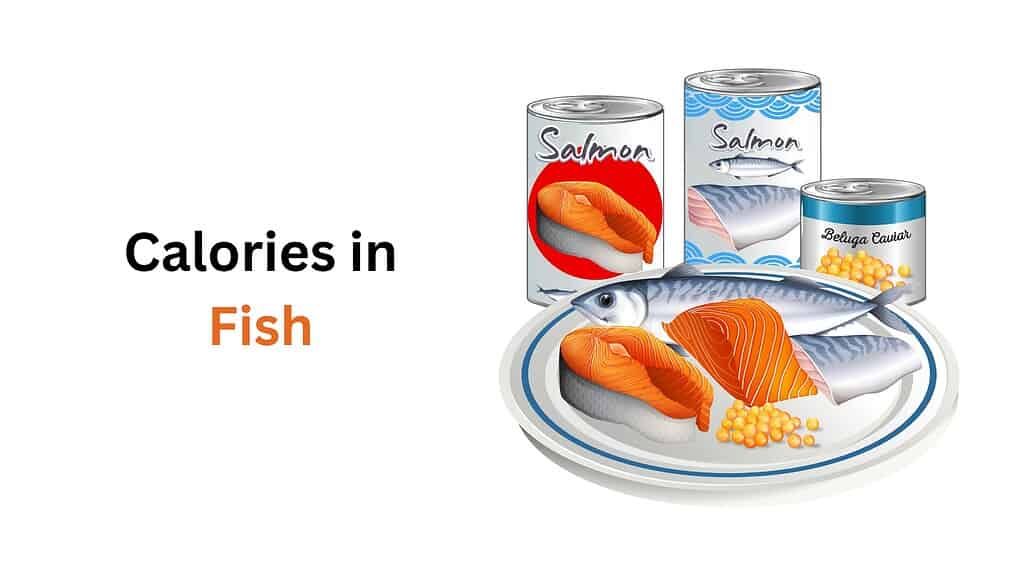
Calories in Fish: The global fish and seafood market is expected to be valued at $624.20 billion in 2023, which is expected to grow at a CAGR of 6.90% between 2023 to 2028. Fish is one of the healthiest foods on the planet. The Calories in fish, as well as nutrients such as vitamins and minerals, provide optimum health benefits to the body.
Statistics say that around the world, 3 billion people consume various types of fish every year, resulting in a 4.73kg average volume per person in 2023. To provide exact nutrients to the body, it is necessary to measure how many calories in fish. We have gathered some information on the same, along with healthy fish recipes as bonus content.
Health Benefits of Fish
- Fish has a good amount of nutrients
- It can improve sleep quality
- It is said that eating fish can stop asthma in children
- Vision is protected in old age
- It can reduce the risk of autoimmune diseases
- Reduces depression
- Supports brain health
- Reduces the risk of strokes and heart attacks
Types of Healthy Fish to Eat
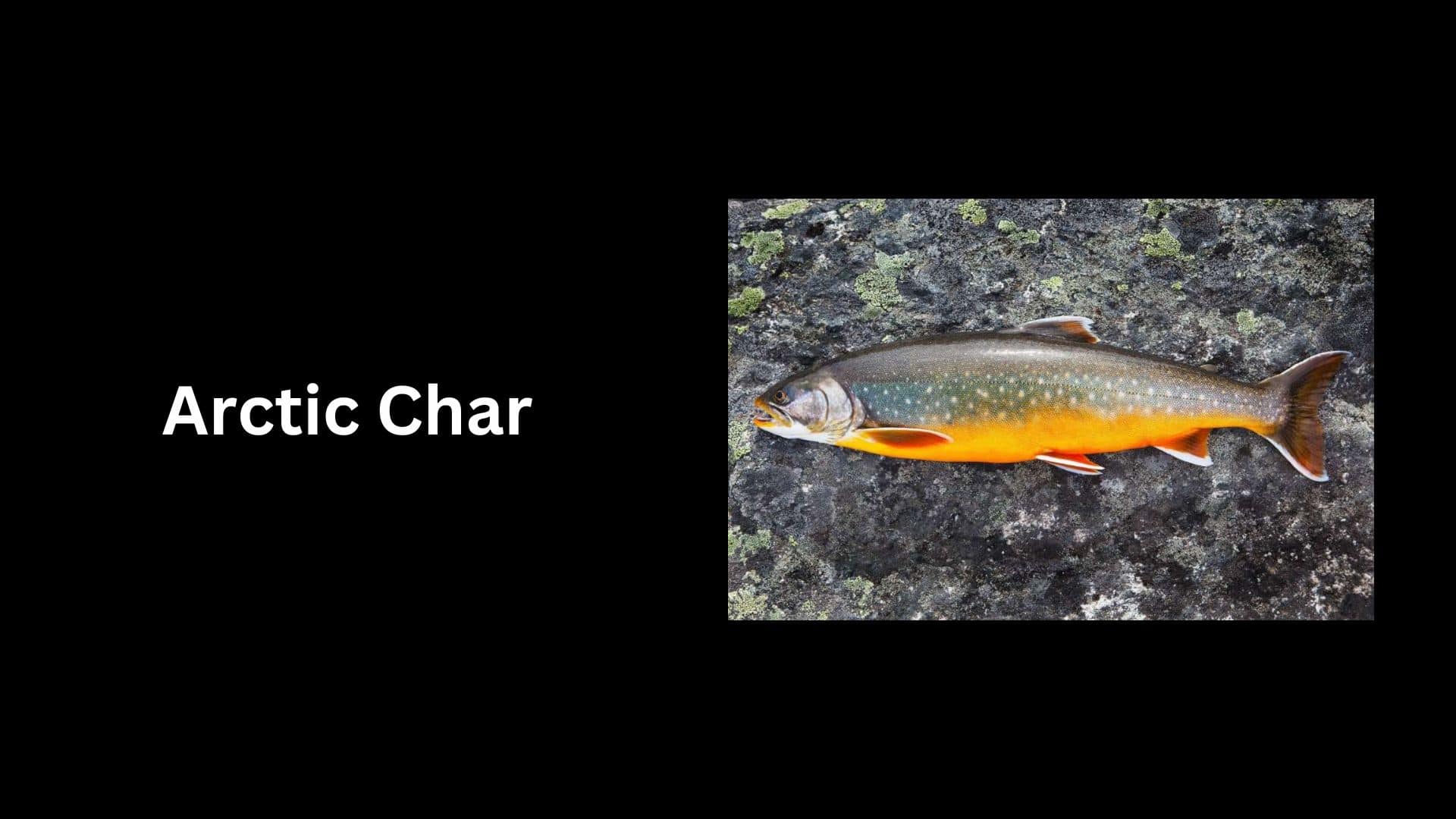
#1. Arctic Char
(Source: pinterest.com)
Arctic Char has a good amount of protein as well as omega-3 fatty acids. It is a perfect choice for baked dishes and lemon and dill in grilled dishes.
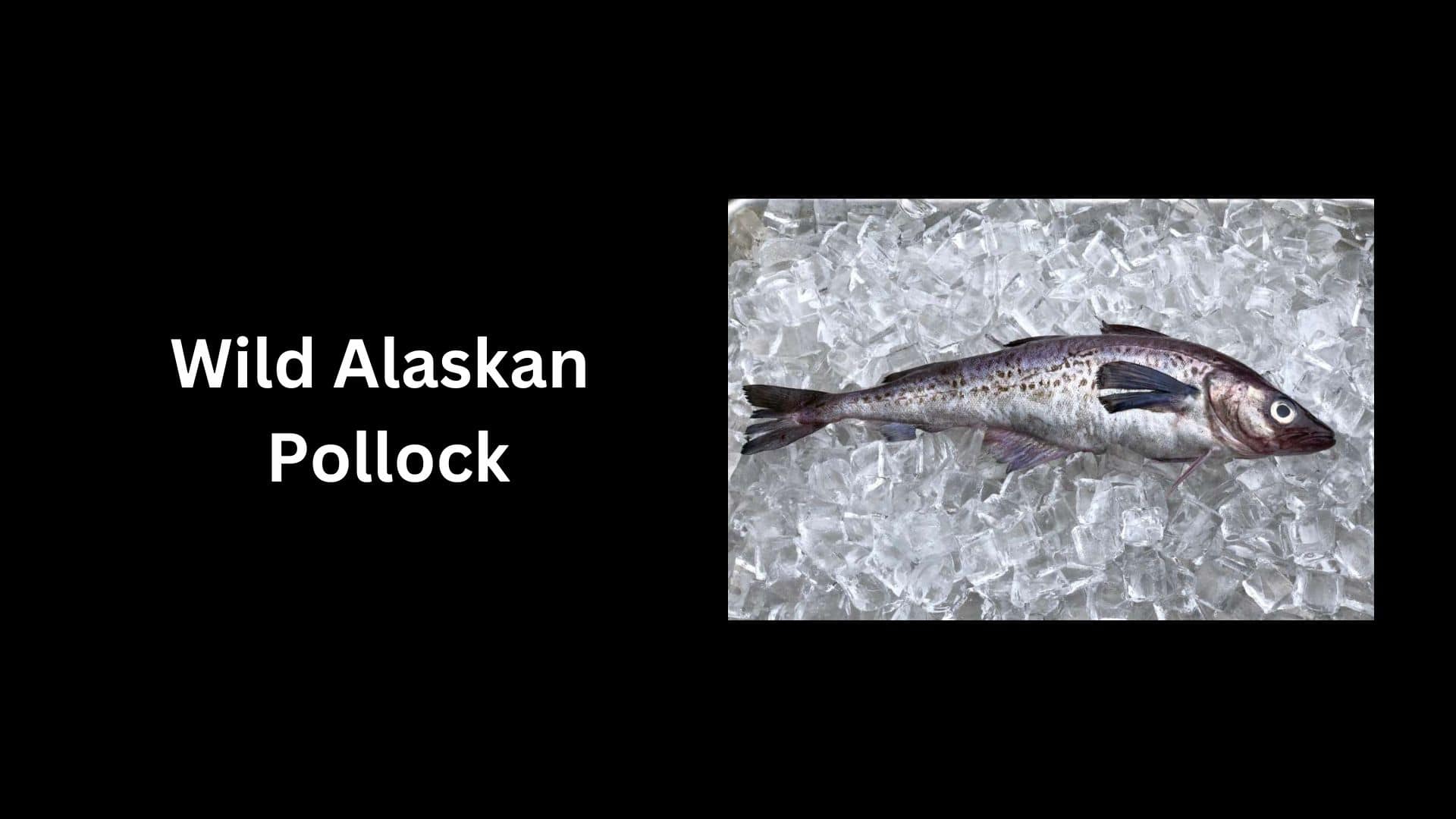
#2. Wild Alaskan Pollock
(Source: uifsa.ua)
Wild Alaskan Pollock is known for its low-fat and lean protein features. It is a great ingredient for fish tacos.
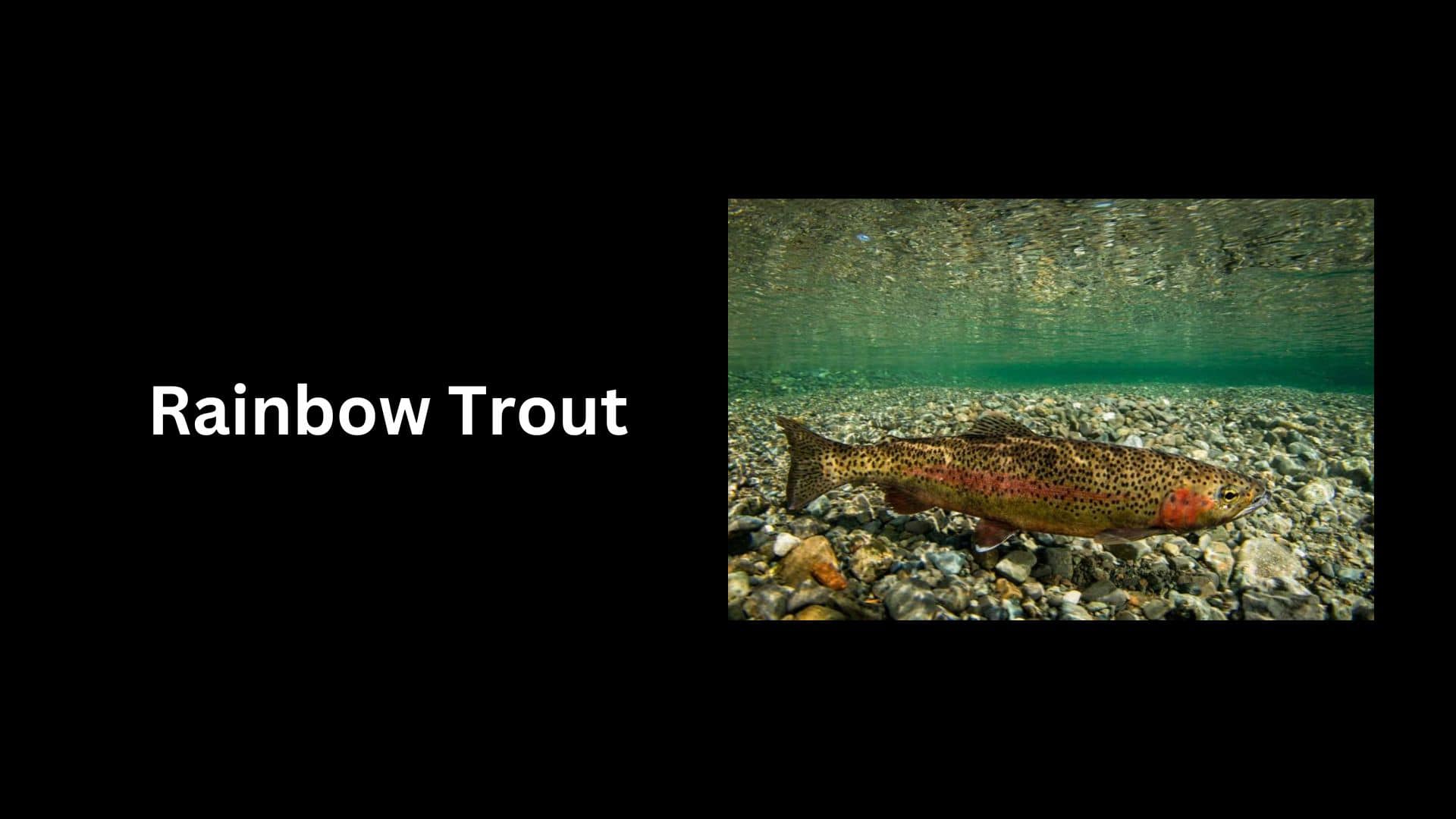
#3. Rainbow Trout
(Source: pinterest.ca)
Rainbow Trout is a great source of essential vitamins and omega-3. It suits well dishes that are pan-seared with herbs as well as stuffed citrus fruit.
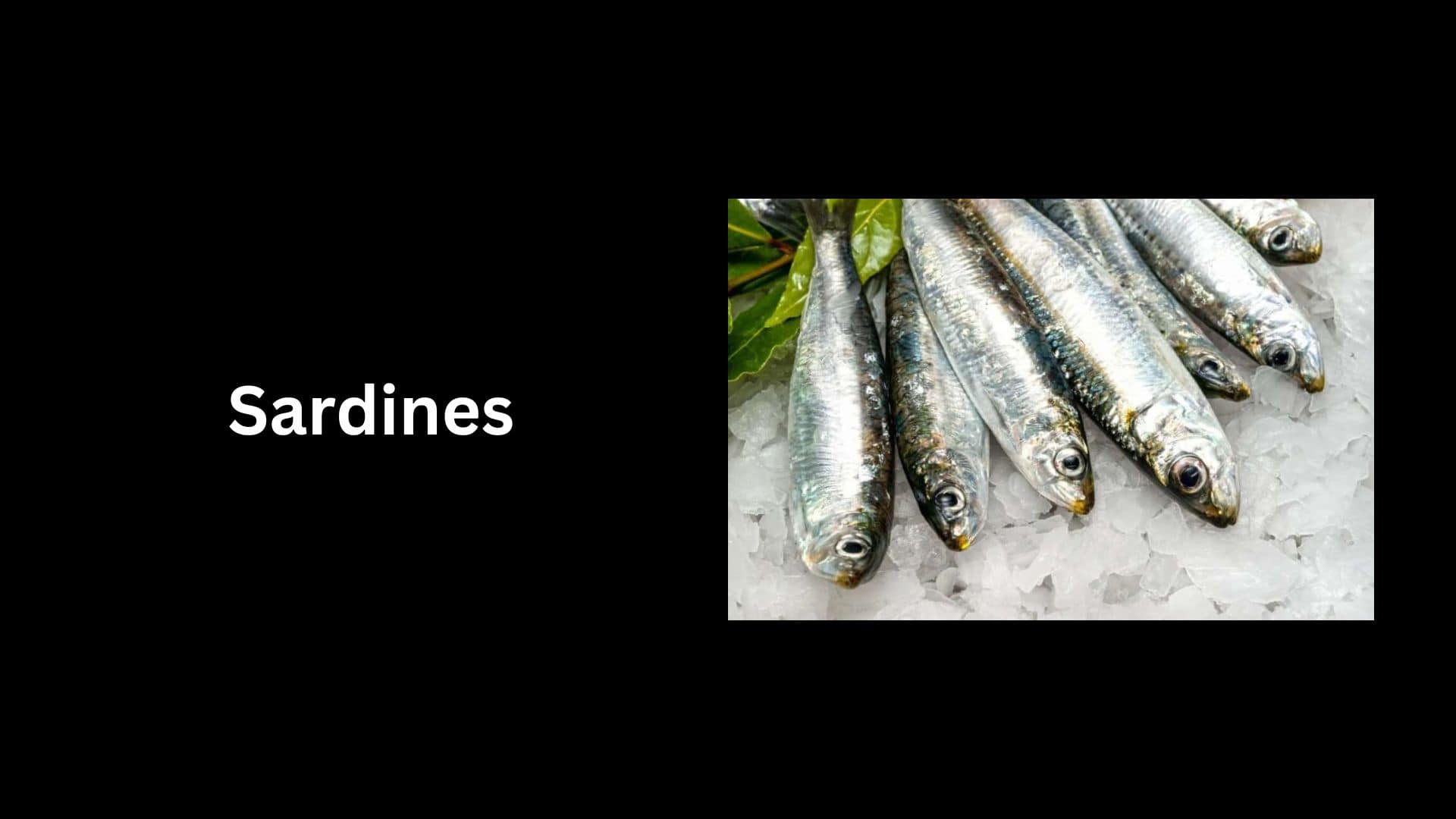
#4. Sardines
(Source: steptohealth.com)
Sardines are rich in calcium, vitamin D, and omega-3. It is a well-suited ingredient for pasta dishes, salads, or on toast.
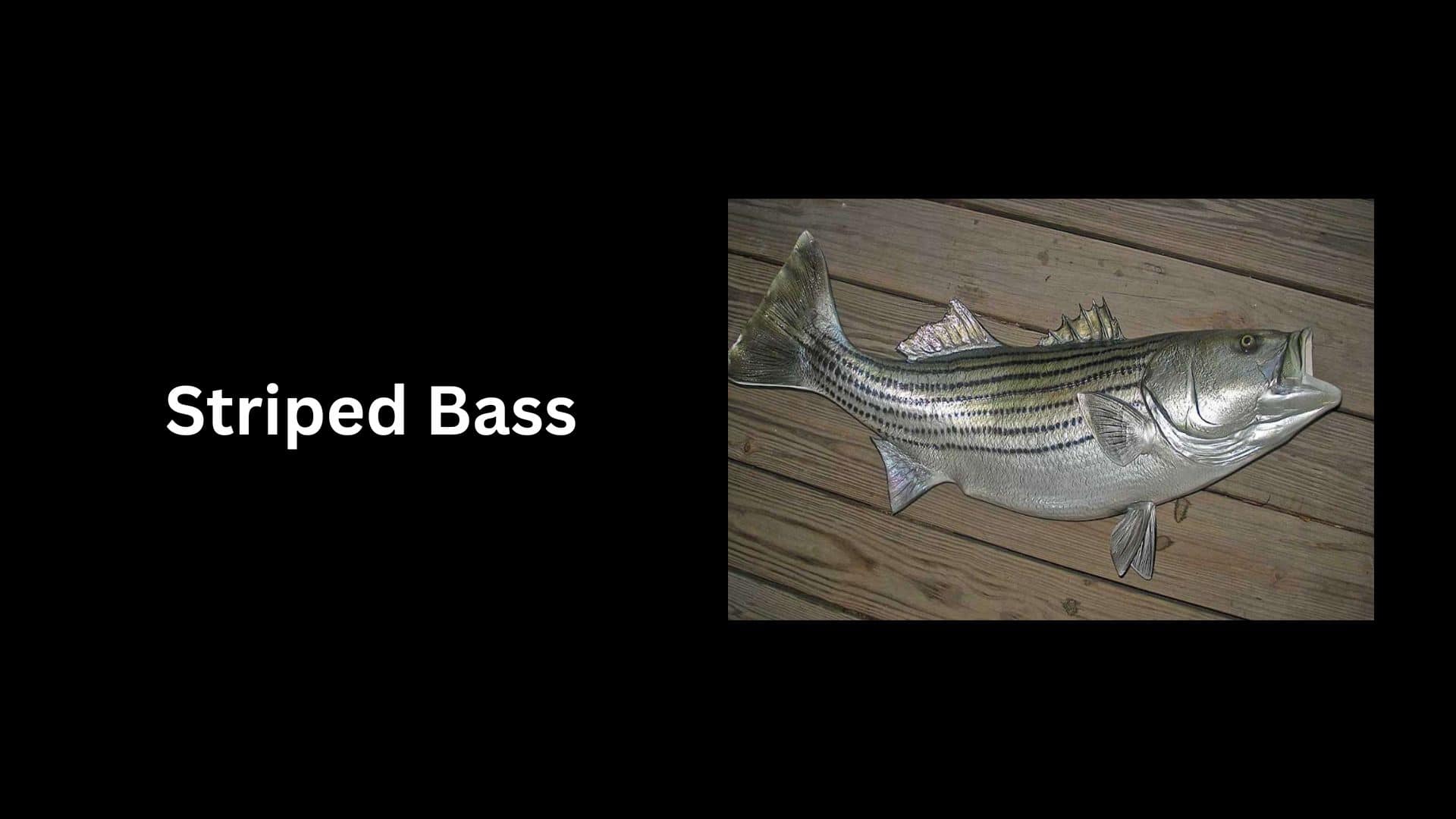
#5. Striped Bass
(Source: fishmountstore.com)
Packed with a good amount of potassium and protein, Striped bass is a great choice for grilled or broiled dishes.
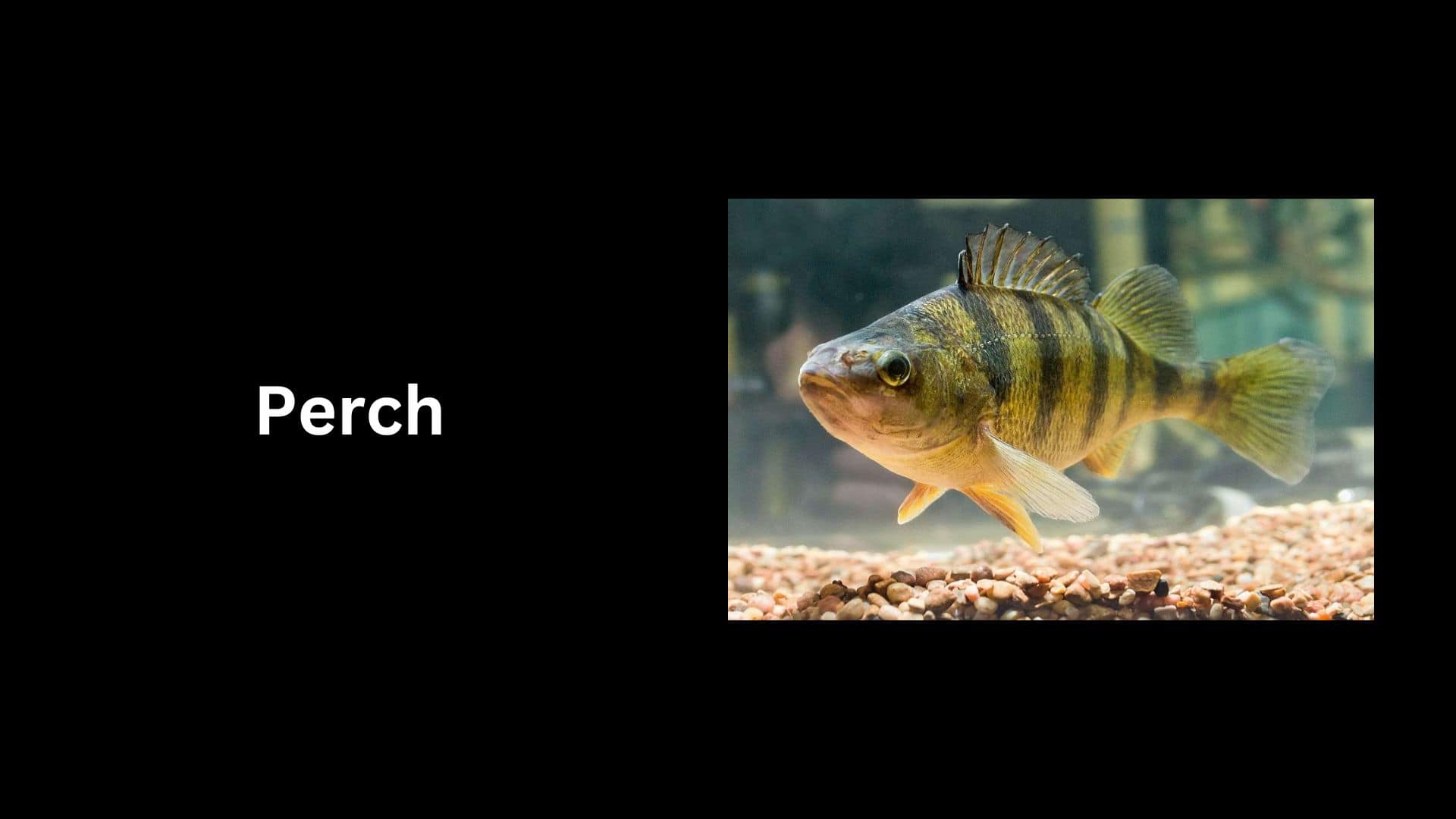
#6. Perch
(Source: barnegatbaypartnership.com)
Perch is known for its low-fat as well as its high-protein features. It tastes better when served with lemon butter sauce.
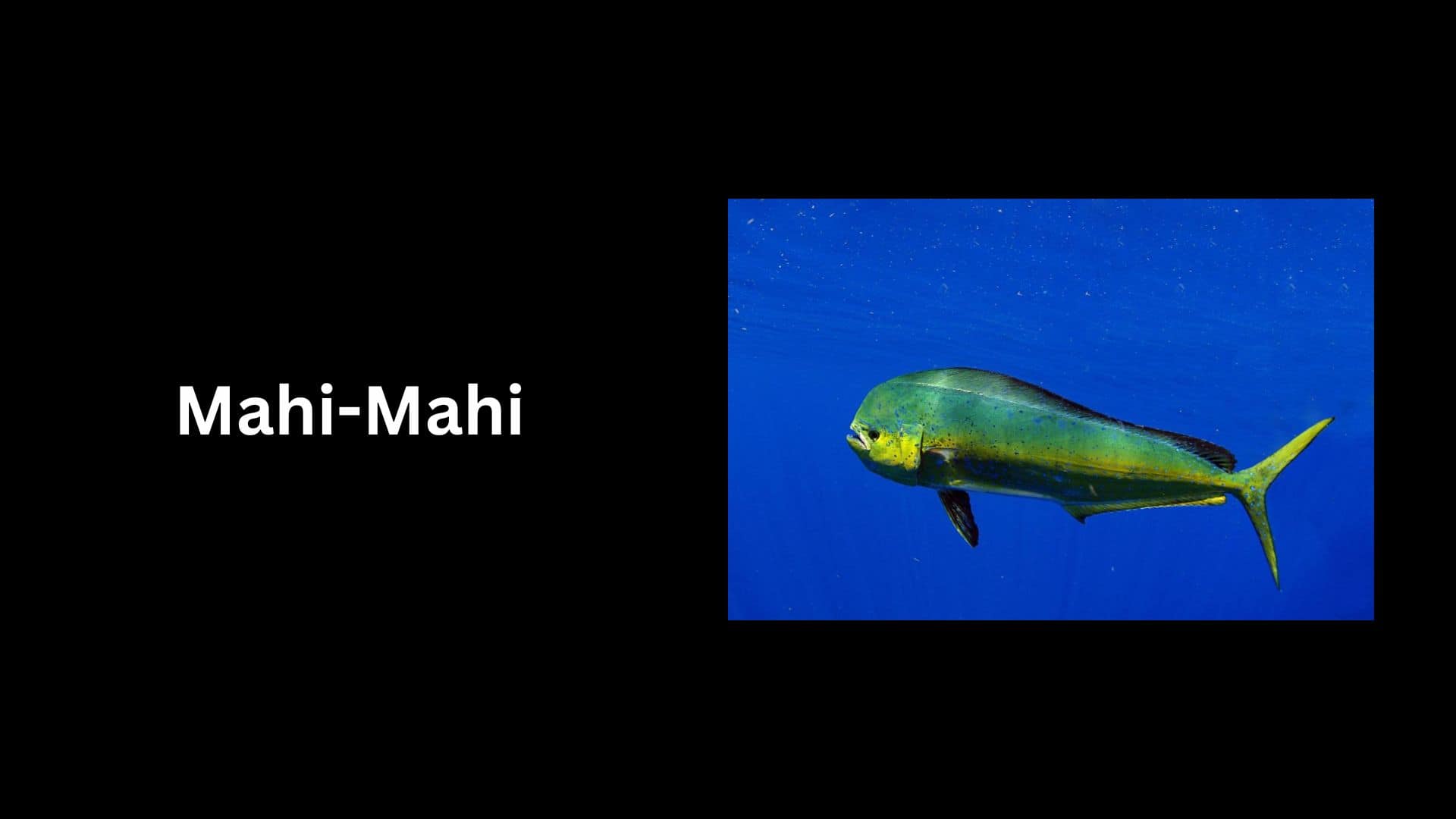
#7. Mahi-Mahi
(Source: bluejuicecharters.rezdy.com)
Mahi-mahi is rich in niacin, vitamin B12, and protein. It better suits dishes that include fish tacos or tropical fruit.
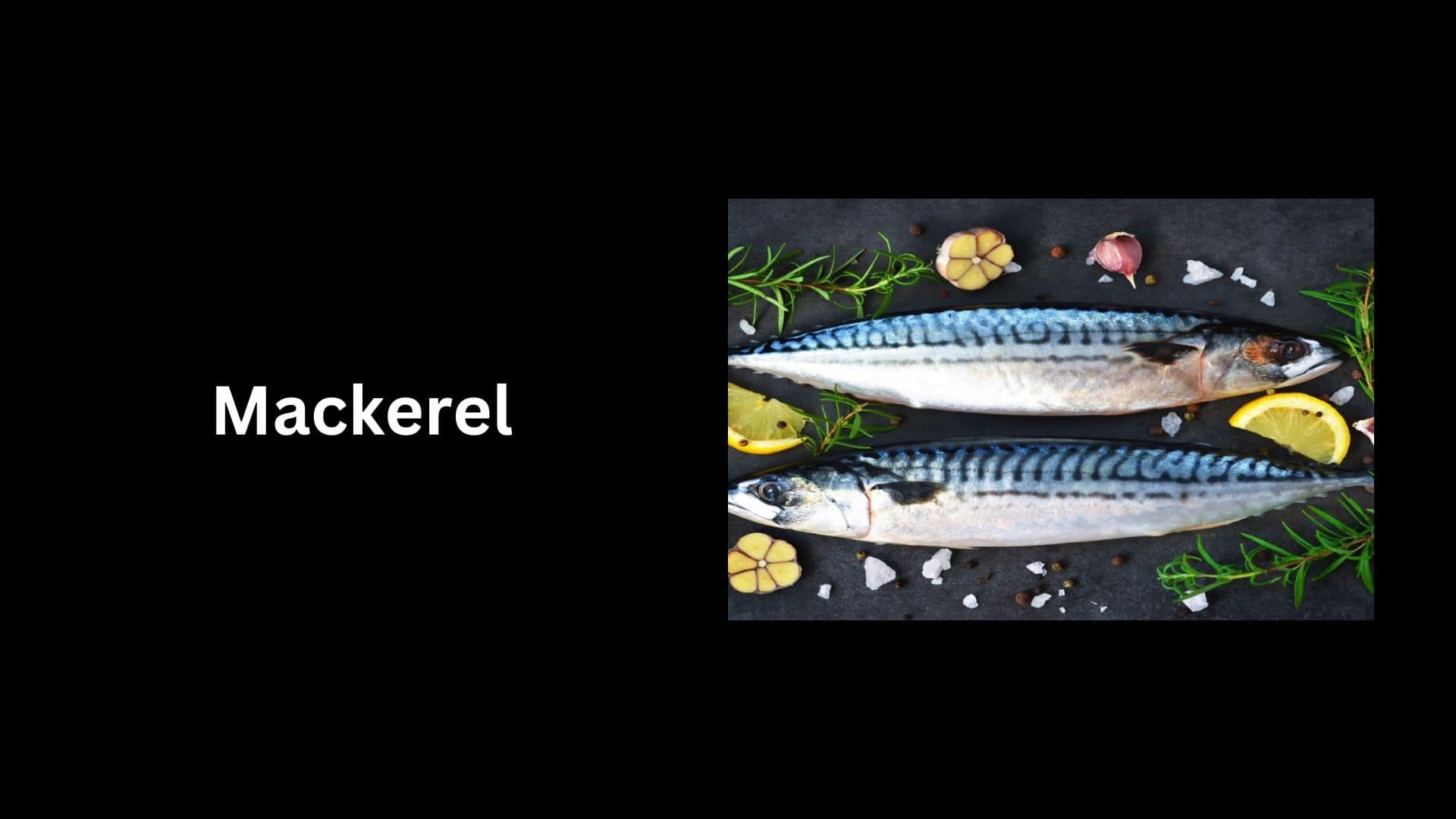
#8. Mackerel
(Source: bradleysfish.com)
Packed with vitamin D as well as omega-3s, this fish is a good fit for grilled and spicy seasoning dishes.
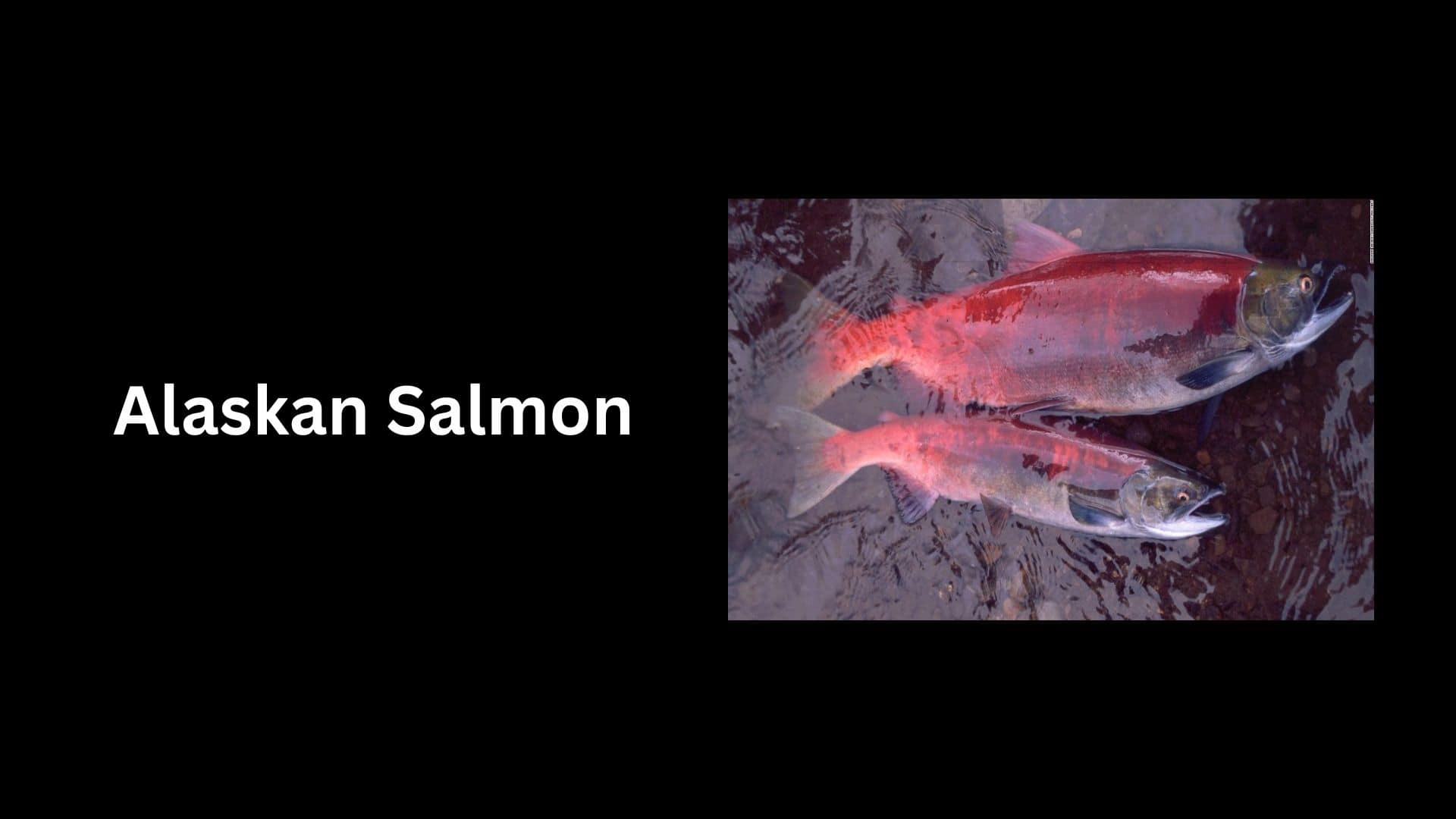
#9. Alaskan Salmon
(Source: edition.cnn.com)
Rich in protein and Omega-3, Alaskan Salmon can be used for a tangy marinade along with grilling.
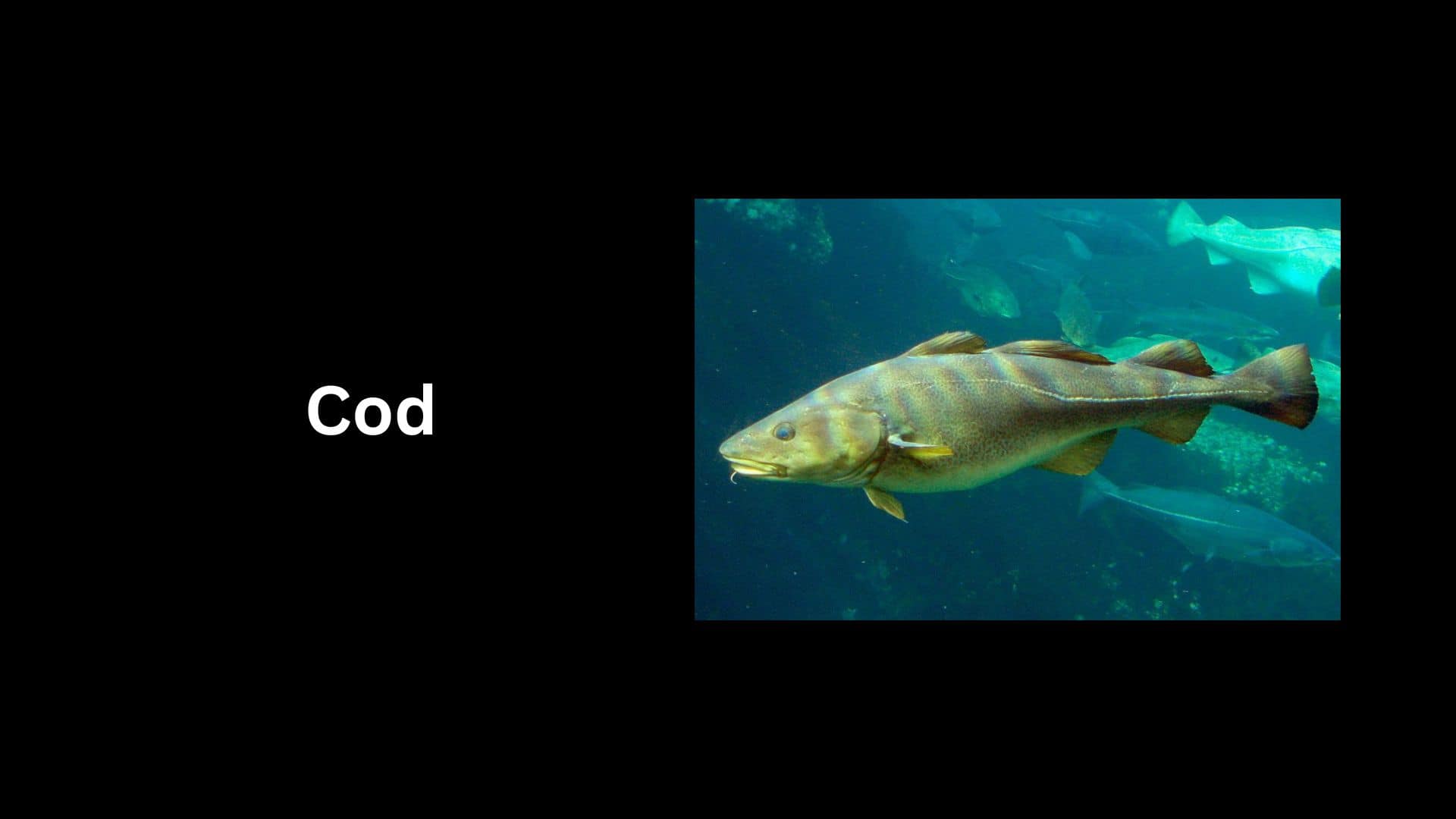
#10. Cod
(Source: sites.google.com)
Loaded with vitamin B-12 and lean protein, it is well for dishes such as garlic butter or lemon-caper sauce that are pan-seared.
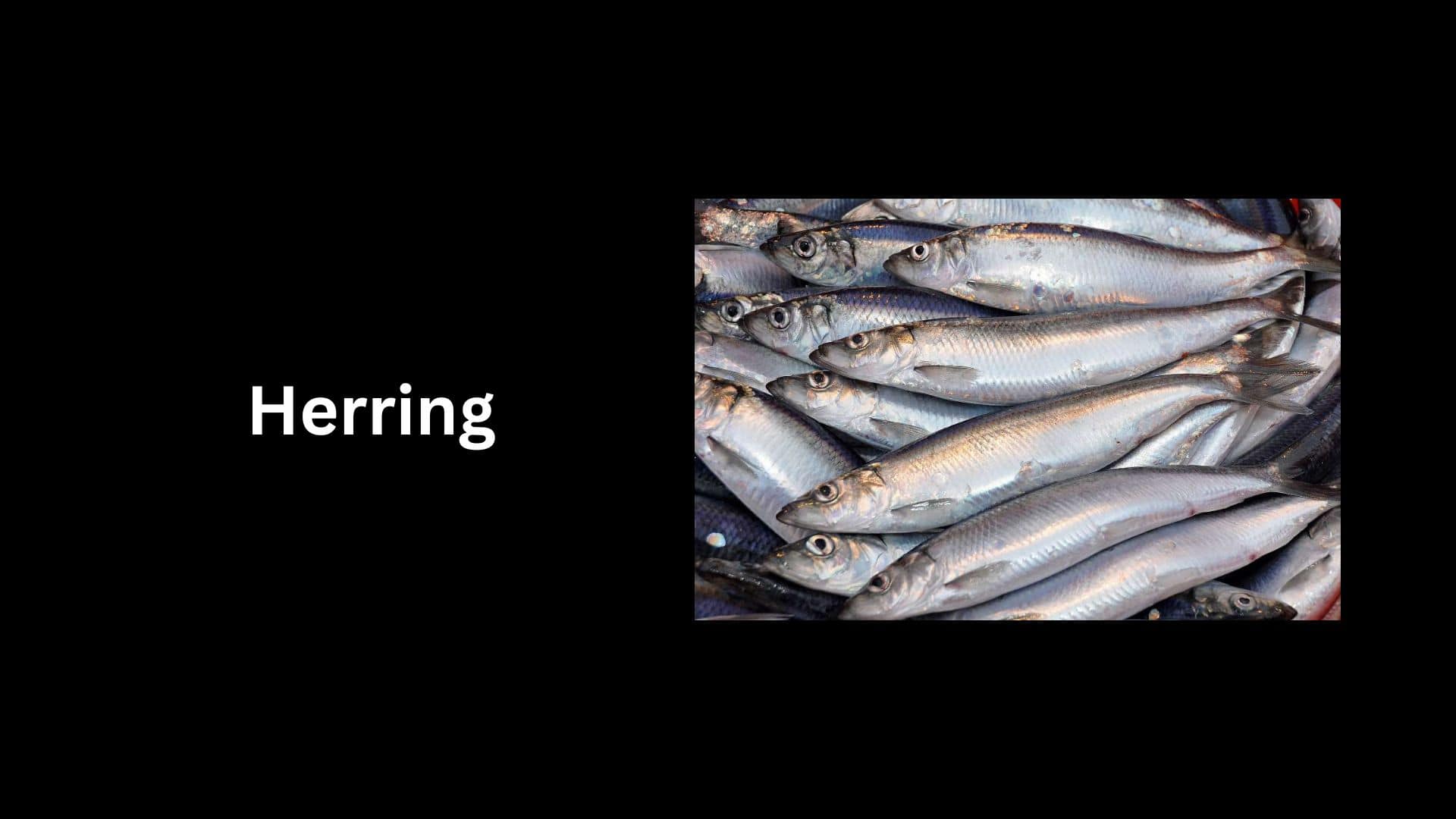
#11. Herring
(Source: top-10-food.com)
Herring is packed with Vitamin D and omega-3 and is a great choice for salads, pickled, or smoked.
#12. Tuna
(Source: invest-in.albania.org)
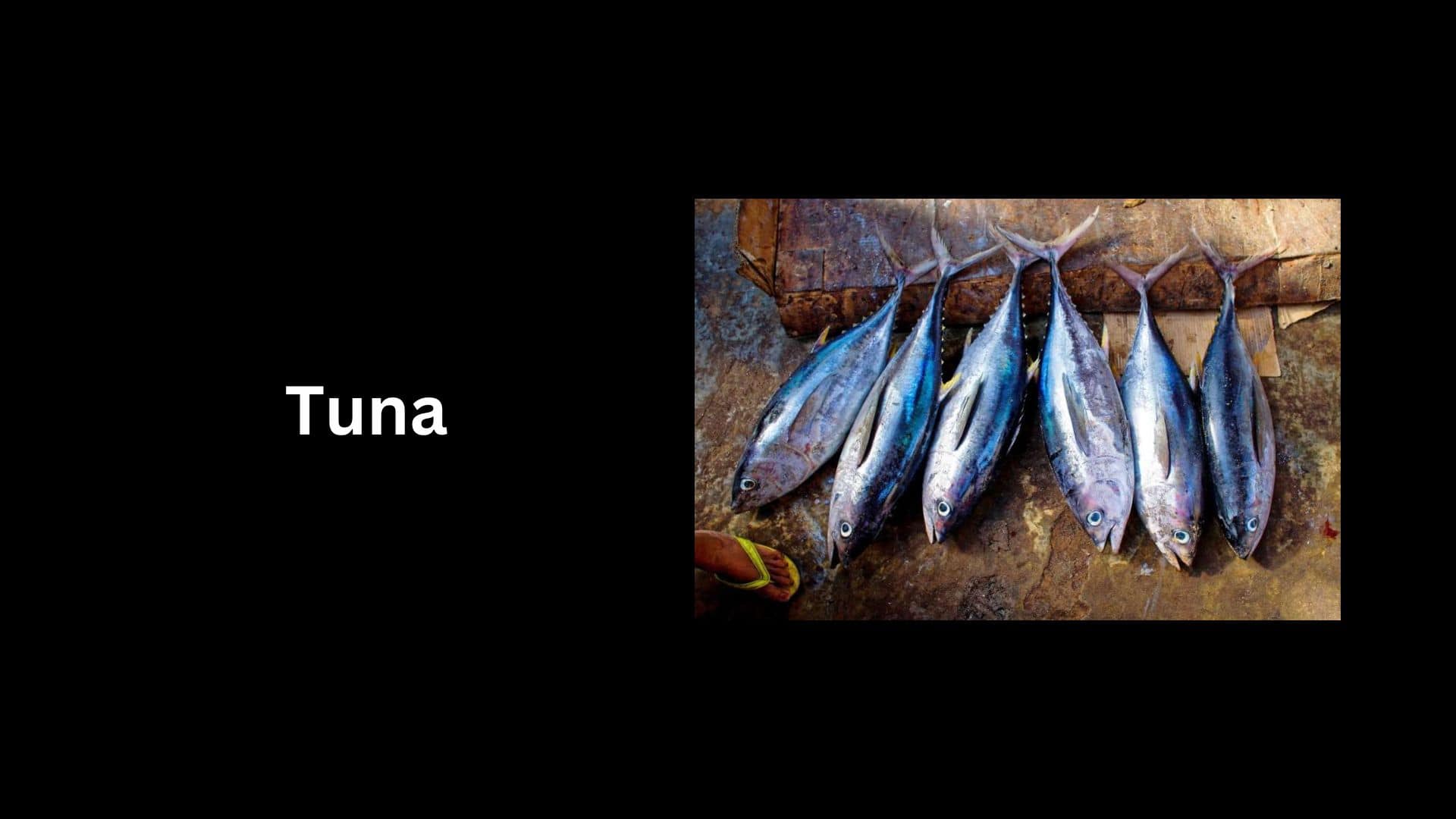
Tuna fish is rich in omega-3s and protein as well. It can be used for salads, sushi, or grilled steaks.
Calories in Fish Per Serving
| Fish type | Serving ratio | Total Calories |
| Anchovy | 3 oz. (85g) | 111 calories |
| Bluefish | 1 fillet (117g) | 186 calories |
| Bream | 1 serving (125g) | 169 calories |
| Butterfish | 1 fillet (25g) | 47 calories |
| Calamari | 1 piece (12g) | 21 calories |
| Carp | 1 fillet (170g) | 275 calories |
| Caviar | 1 tbsp (16g) | 42 calories |
| Clam | 3 oz. (85 g) | 126 calories |
| Cod | 1 fillet (180g) | 189 calories |
| Crawfish | 1 crawfish (12g) | 10 calories |
| Crayfish | 3 oz. (85g) | 74 calories |
| Eel | 1 oz. (28.4g) | 66 calories |
| Flounder | 1 fillet (127g) | 109 calories |
| Grouper | 1 fillet (202g) | 238 calories |
| Haddock | 1 fillet (150g) | 135 calories |
| Hake | 1 fillet (113g) | 80 calories |
| Halibut | ½ fillet (200g) | 222 calories |
| Herring | 1 fillet (143g) | 290 calories |
| Hoki | 1 serving (70g) | 85 calories |
| Kipper | 1 fillet (40g) | 87 calories |
| Ling | 1 fillet (151g) | 165 calories |
| Lobster | 1 lobster (150g) | 134 calories |
| Mackerel | 1 fillet (88g) | 231 calories |
| Milkfish | 3 oz. (85g) | 162 calories |
| Monkfish | 3 oz. (85g) | 82 calories |
| Mullet | 1 fillet (93g) | 140 calories |
| Mussel | 3 oz. (85g) | 146 calories |
| Octopus | 3 oz. (85g) | 139 calories |
| Pickerel | 1 fillet (127g) | 141 calories |
| Pickled herring | 1 cup (140g) | 367 calories |
| Pike | ½ fillet (155g) | 175 calories |
| Plaice | 1 serving (100g) | 91 calories |
| Pollack | ½ fillet (151g) | 168 calories |
| Red Snapper | 1 fillet (170g) | 218 calories |
| Redfish | 1 serving (57g) | 54 calories |
| Rollmops | 1 rollmop (65g) | 111 calories |
| Salmon | ½ fillet (178g) | 367 calories |
| Sardines | 1 cup (149g) | 310 calories |
| Scallops | 1 scallop (10g) | 11 calories |
| Scampi | 1 scampi (10g) | 8 calories |
| Sea Bass | 1 fillet (124g) | 154 calories |
| Shad | 1 fillet (144g) | 363 calories |
| Shark | 3 oz (85g) | 111 calories |
| Smelt | 3 oz. (85g) | 105 calories |
| Sole | 1 fillet (127g) | 109 calories |
| Squid | 1 oz. (28.4g) | 26 calories |
| Sturgeon | 1 cup (136g) | 184 calories |
| Sushi | 1 piece (26g) | 39 calories |
| Swordfish | 1 piece (106 calories) | 182 calories |
| Triggerfish | 1 oz. (28.4g) | 26 calories |
| Trout | 1 fillet (62 calories) | 118 calories |
| Tuna | ½ fillet (154 calories) | 203 calories |
| Tuna Salad | 1 cup (205 g) | 383 calories |
| Turbot | ½ fillet (159g) | 194 calories |
| Wahoo | 1 serving (100g) | 167 calories |
| Whitefish | 1 fillet (154g) | 265 calories |
| Whiting | 1 fillet (72 g) | 84 calories |
| Zander | 1 fillet (62g) | 52 calories |
Source of Calories in Fish
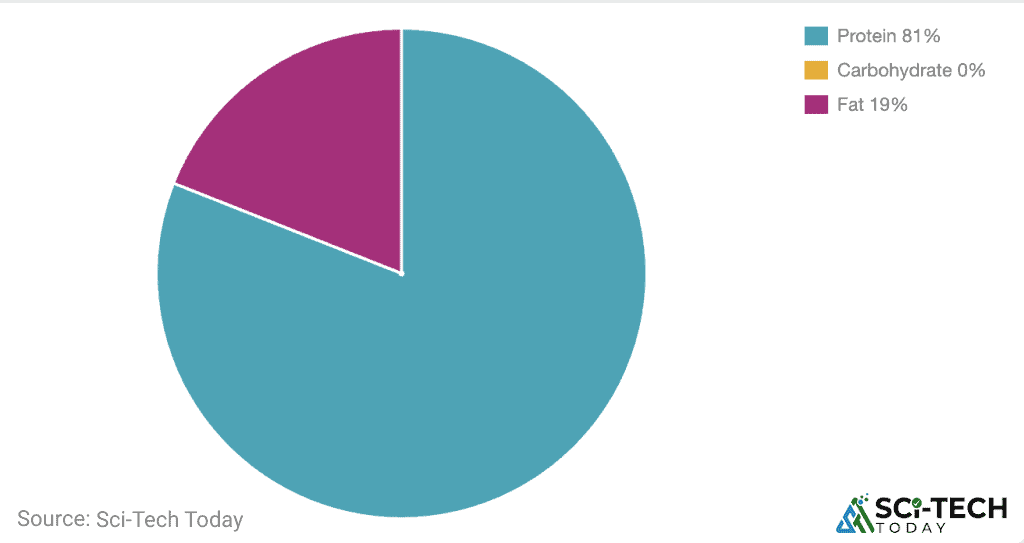
Calories in fish consist of fat 19%, Carbohydrates 0%, and Protein 81%.
(Source: nutritionix.com)
Nutritional Information on Fish
Canned fish for 2-oz Serving
| Fats (g) | Carbs (g) | Protein (g) | Calories | |
| Tuna Fish in Water | 1.68 | – | 13.38 | 73 |
| Tuna Fish in Oil | 4.68 | – | 15.03 | 105 |
| Pink Salmon | 2.74 | – | 13.09 | 77 |
| Sardines in Oil | 6.49 | – | 13.96 | 118 |
| Mackerel | 3.57 | – | 13.15 | 88 |
(Source: fatsecret.com)
By Cooking variations (1 fillet serving)
| Fats (g) | Carbs (g) | Protein (g) | Calories | |
| Baked Breaded or battered fish | 12.35 | 11.51 | 26.10 | 268 |
| Baked or broiled fish | 3.89 | 0.37 | 24.79 | 142 |
| Fried Battered fish | 15.24 | 8.99 | 22.41 | 267 |
| Fish floured or breaded fish | 14.09 | 11.05 | 25.57 | 285 |
| Grilled fish | 1.33 | 0.31 | 25.53 | 123 |
| Steamed Fish | 3.28 | – | 29.76 | 157 |
(Source: fatsecret.com)
Other
| Fats (g) | Carbs (g) | Protein (g) | Calories | |
| 1 stick fried floured or breaded fish stick patty/fillet | 1.90 | 1.40 | 3.51 | 38 |
| 1 piece Swordfish | 5.45 | – | 26.93 | 165 |
| 1 piece smoked salmon | 0.86 | – | 3.66 | 23 |
(Source: fatsecret.com)
By popular fish fillets
| Fats (g) | Carbs (g) | Protein (g) | Calories | |
| Atlantic Cod | 1.55 | – | 41.14 | 189 |
| Atlantic Mackerel | 15.56 | – | 20.83 | 230 |
| Catfish | 12.07 | – | 24.72 | 215 |
| Flounder | 5.51 | 0.53 | 28.60 | 173 |
| Haddock | 5.71 | 0.74 | 34.00 | 197 |
| Mahi Mahi | 0.82 | – | 21.76 | 100 |
| Perch | 1.89 | 0.20 | 10.87 | 64 |
| Pike | 4.65 | 0.52 | 28.56 | 164 |
| Rainbow Trout | 4.27 | – | 16.49 | 109 |
| Snapper | 2.92 | – | 44.71 | 218 |
| Striped Mullet | 4.51 | – | 23.03 | 139 |
| Tilapia | 3.77 | 0.39 | 21.73 | 128 |
| Trout | 6.24 | 0.31 | 15.81 | 124 |
| Whitefish | 11.60 | – | 37.80 | 265 |
(Source: fatsecret.com)
Easy and Healthy Fish Recipes for Weight Loss
#1. Instant Pot Shrimp and Broccoli
(Source: alicaspepperpot.com)
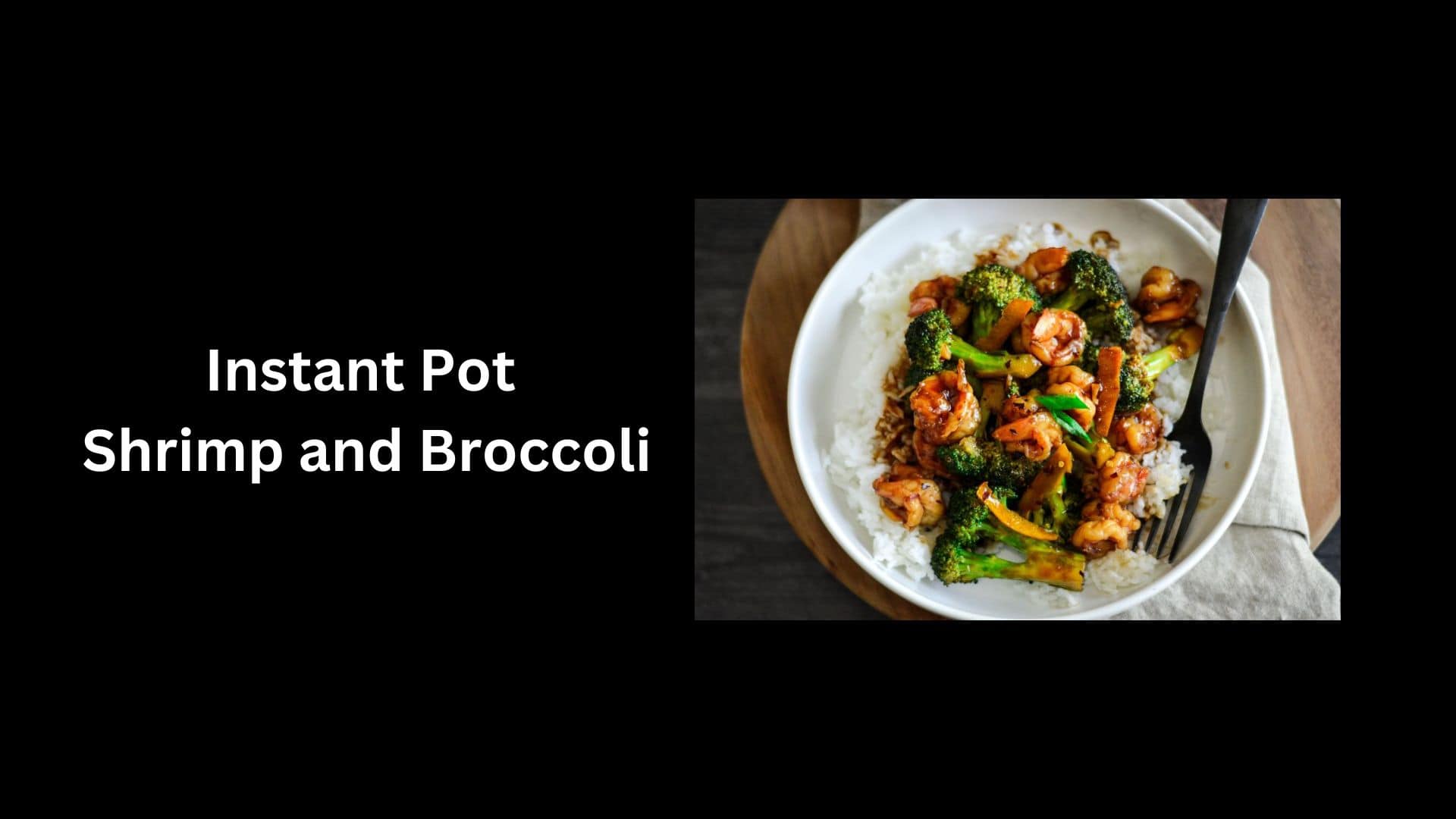
Ingredients: Green onion, sesame seeds, sriracha, 2 tbsp freshly grated ginger, 2 tbsp oyster sauce, 2 tbsp brown sugar, ¼ cup soy sauce, 2 broccoli crowns, 1 lb. shrimp fresh or frozen, 2 minced garlic cloves, and 1 tbsp rice wine vinegar.
Instructions
Cut the broccoli into small florets. Shell the shrimp, whether fresh or frozen. Take a small bowl and mix the soy sauce, ginger oyster sauce, rice wine vinegar, brown sugar, and minced garlic. Once completely mixed, add shrimp and broccoli. Cover the bowl and put it on high pressure (pressure cook or manual) for 1 minute. Once done, immediately let go of the pressure. Serve the shrimp and broccoli with rice, sesame seeds, sliced green onion, and sriracha.
#2. Fish Taco Bowls
(Source: chunkychef.com)
Ingredients:
(For Cauliflower rice)
2 tbsp coconut milk, 1 tbsp olive oil, salt and pepper, 1 large cauliflower head, cored and finely chopped.
(For mango salsa)
Juice of ½ lime, 1 ripe diced mango, ¼ tbsp sea salt and ¼ tbsp olive oil
(For Slaw)
¼ tbsp salt, 1 tbsp olive oil, ½ head of cabbage thinly sliced, 2 medium carrots, ½ tbsp white wine vinegar
(For fish)
Salt and pepper, 2 tbsp olive oil, 2 medium salmon fillets, ¼ tbsp cumin, ¼ tbsp garlic powder
(For guacamole)
Sea salt, juice of ½ lime, 1 ripe avocado, 1 tbsp chopped cilantro, ¼ tbsp cumin, and ½ diced small red onion.
Instruction:
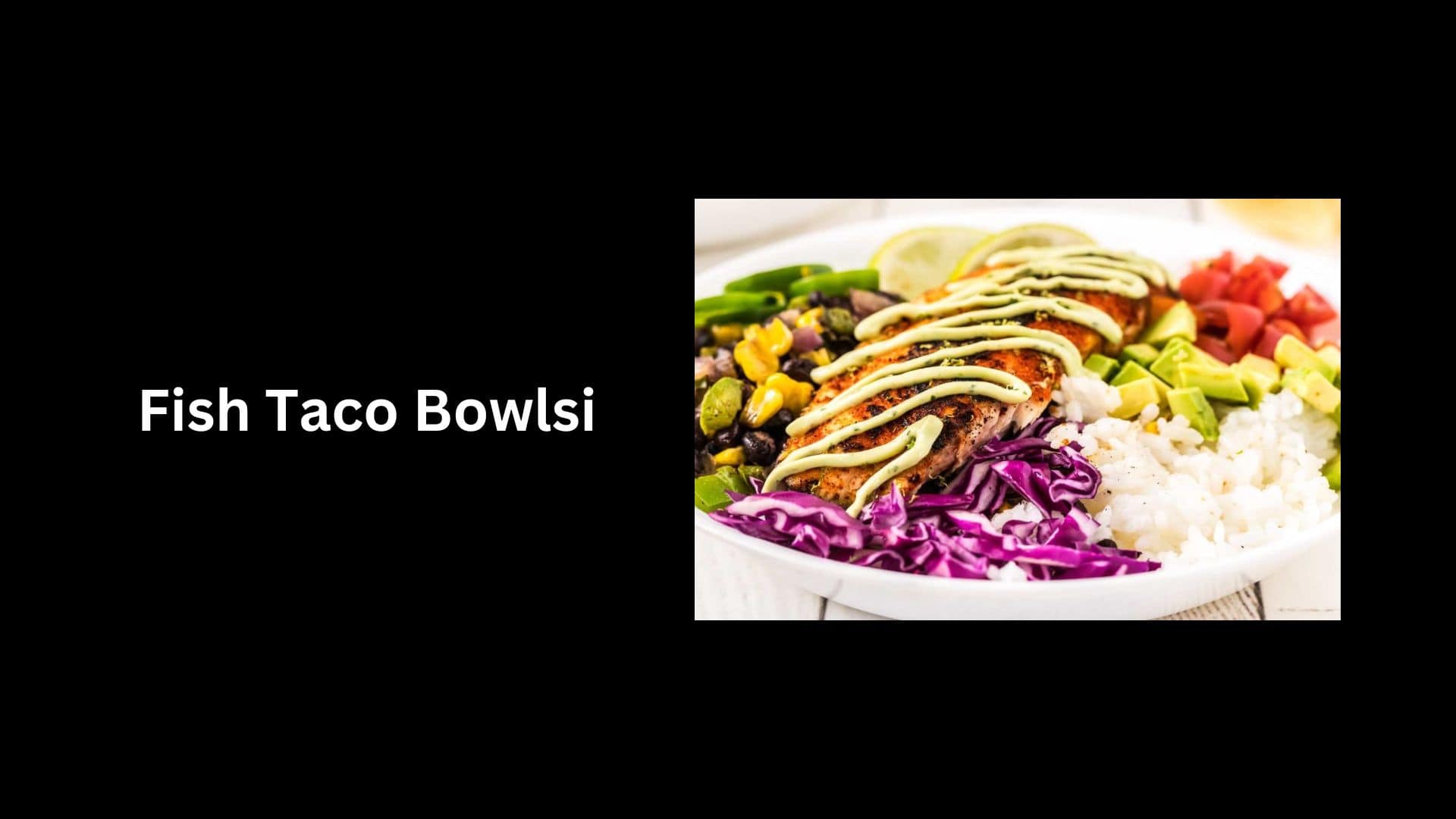
To make the salmon: Take a large skillet, heat the oil on medium heat. Meanwhile, sprinkle cumin, salmon, pepper, and salt on both sides of the salmon. Add the fish to the pan and cook it on both sides.
To make the guacamole: Take a small bowl and mash the avocado, add salt, lime juice, cilantro, cumin, and onion. Blend well and keep it aside with plastic wrap.
To make mango salsa: Take another small bowl, add olive oil, lime juice, mango, and salt, mix well, and set aside.
To make cauliflower rice: In a large skillet, heat olive oil on medium heat. Add coconut milk and cauliflower, and sprinkle some pepper and salt. Cook until the cauliflower softens.
Divide every prepared ingredient as shown in the photo and serve.
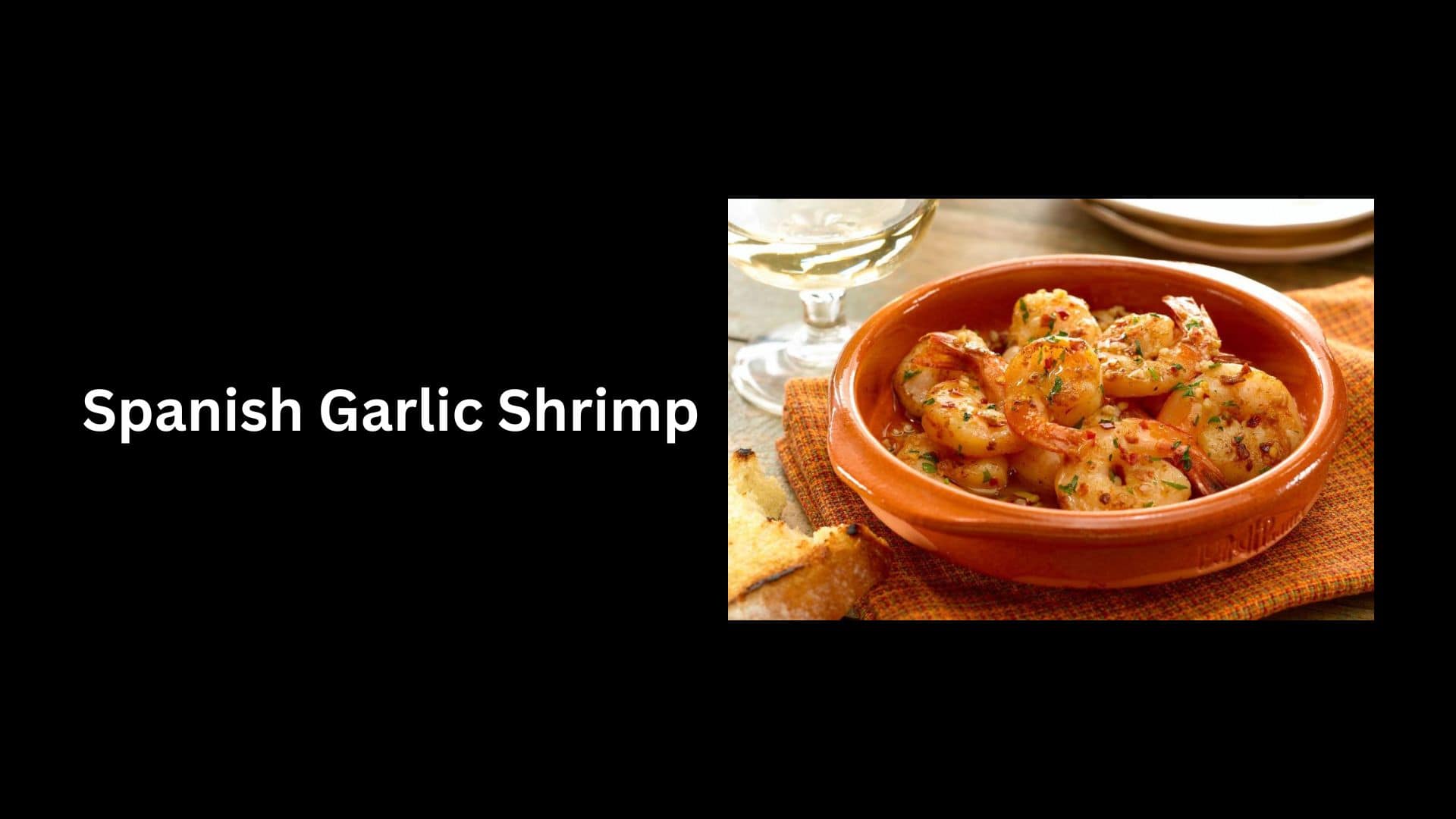
#3. Spanish Garlic Shrimp
(Source: goya.com)
Ingredients: ¼ cup fresh parsley, chopped, salt to taste, ½ tbsp smoked paprika, ¼ cup olive oil, 1 lb medium shrimp peeled and deveined, ½ tbsp smoked paprika, ¼ tbsp red pepper flakes, 6 cloves thinly sliced garlic.
Instructions:
Preheat the pan and sauté olive oil, garlic, and red pepper on low heat. Once the garlic is done, do not burn it. Season the shrimp with smoked paprika and the salt. Sauté once again until cooked. Once cooked, remove the shrimp to a serving dish and sprinkle with parsley, and serve.
Conclusion
Eating fish is a healthy habit that could provide your body with the necessary vitamins and nutrients. Calories in fish depend on how it is cooked. If prepared in a deep-fry way, then it will include more calories than the air-fried method of cooking.
Moreover, other health benefits include optimum brain and eye health, a healthy heart, and stronger immunity. If you still haven’t tried eating fish, go for it once; you will live a healthier life.

Sources