








Introduction
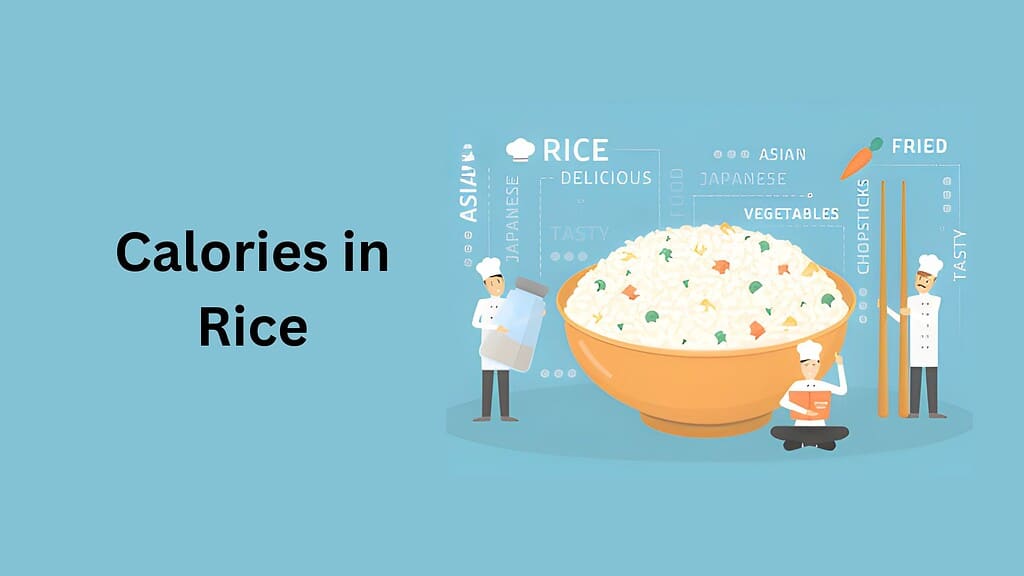
Calories in Rice: Rice is a part of the cereal grain and is most commonly a part of the plate all over the world. Rice is also measured in staple foods, which means it is often consumed as a dominant portion in the diet of an individual. The main types of rice are short, medium, and long. Each type has many subcategories and various characteristics.
Moreover, rice also plays an important part in the diet because, in its entirety, it has small amounts of fibre, carbohydrates, and calories as well as fats, which are required for the daily functioning of the body. How many of you have ever searched the question How many calories are in rice? We have simplified the answer to your question in this article.
Types of Rice
- Sushi Rice – Sushi rice is a type of short-grain white or even brown rice. It has a sticky texture when cooked as well, and it becomes tender and soft. This type of rice is made with sugar, salt, vinegar, and brown or white rice.
- Parboiled Rice (Converted rice) – The rice which has been partially boiled along with its unsavoury outer layer is called Parboiled rice. This can improve the cooking time as well as the rice texture. Moreover, doing this can naturally preserve the minerals and vitamins of rice.
- Sticky Rice – Sticky rice is also known as sweet rice or glutinous rice. It is a type of long-grain white rice with low amylose starch content, causing it to turn into a sticky texture when well-cooked. This type of rice is cooked in East Asia and Southeast.
- Jasmine Rice – Jasmine Rice is cultivated in Thailand. This type of rice has a wonderful aroma as well as a soft texture once cooked, and it becomes moist. It is commonly used in making Asian dishes. It is a type of long grain.
- Long Grain White Rice – The most commonly used type of rice is long grain white rice. It is included in the culinary dishes of Mexico, Asia, and America. It has no sticky texture and becomes fluffy when cooked. It is also available in brown rice, but white rice takes less time to cook.
- Bomba Rice – Bomba rice is a form of short-grain rice hailed from Valencia, Spain. It also has a firm texture and requires more water while cooking, as compared to others. It is a perfect fit for Mediterranean dishes and risotto.
- Brown Rice – Brown rice comes with a tan colour because of the ingredients that give it, such as the germ and bran layer. It has a firmer texture compared to white rice, and it is full of vitamins, minerals, and fibre per serving. Brown rice has no associated special recipes, but it can act as a substitute for white rice to increase nutritional value.
- Basmati Rice – Basmati rice has a dry, long, and separate texture when cooked. Moreover, it has a pleasant aroma and taste. It is commonly used in Indian as well as other Asian cuisines. Most of the time, it is paired with pilafs, curry, da,l, and saffron rice.
- Black Rice – Black rice, also called forbidden rice, gets its colour from anthocyanins. Anthocyanins can also be found in blackberries as well as in blueberries. It can come in any length, such as short, medium, or long. It is commonly used in Chinese cuisine, such as soups, Bowls, and rice pudding.
- Arborio Rice – Arborio rice comes in medium size. It is named after the town in Italy, Arborio in the Po Valley. It has extremely high starch and, therefore, has a sticky texture. When cooked, it can create a creamy texture.
- Polished rice – This type of rice is milled to reduce or remove the bran, germ, and husk. Moreover, it is polished to increase the shiny texture. Polished rice is extremely unhealthy to eat as it has a reduced level of nutritional value.
Grain Size Differences
Short Grain Rice
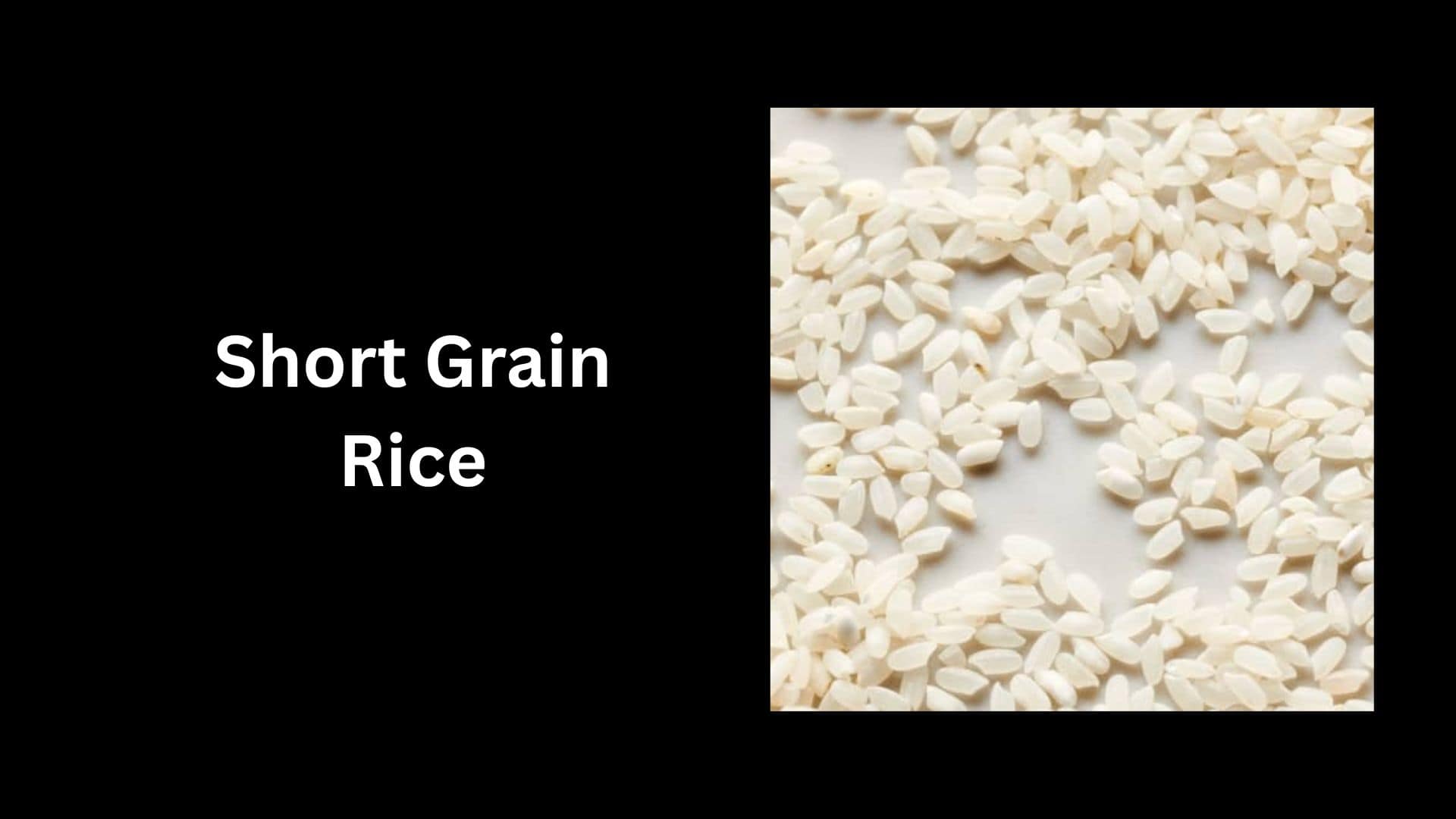
Short grain rice is less than 5.5 millimetres. When it is cooked, it becomes tender and soft and has a sticky texture. It is commonly used for rice balls, sushi, and poke bowls.
Medium Grain Rice
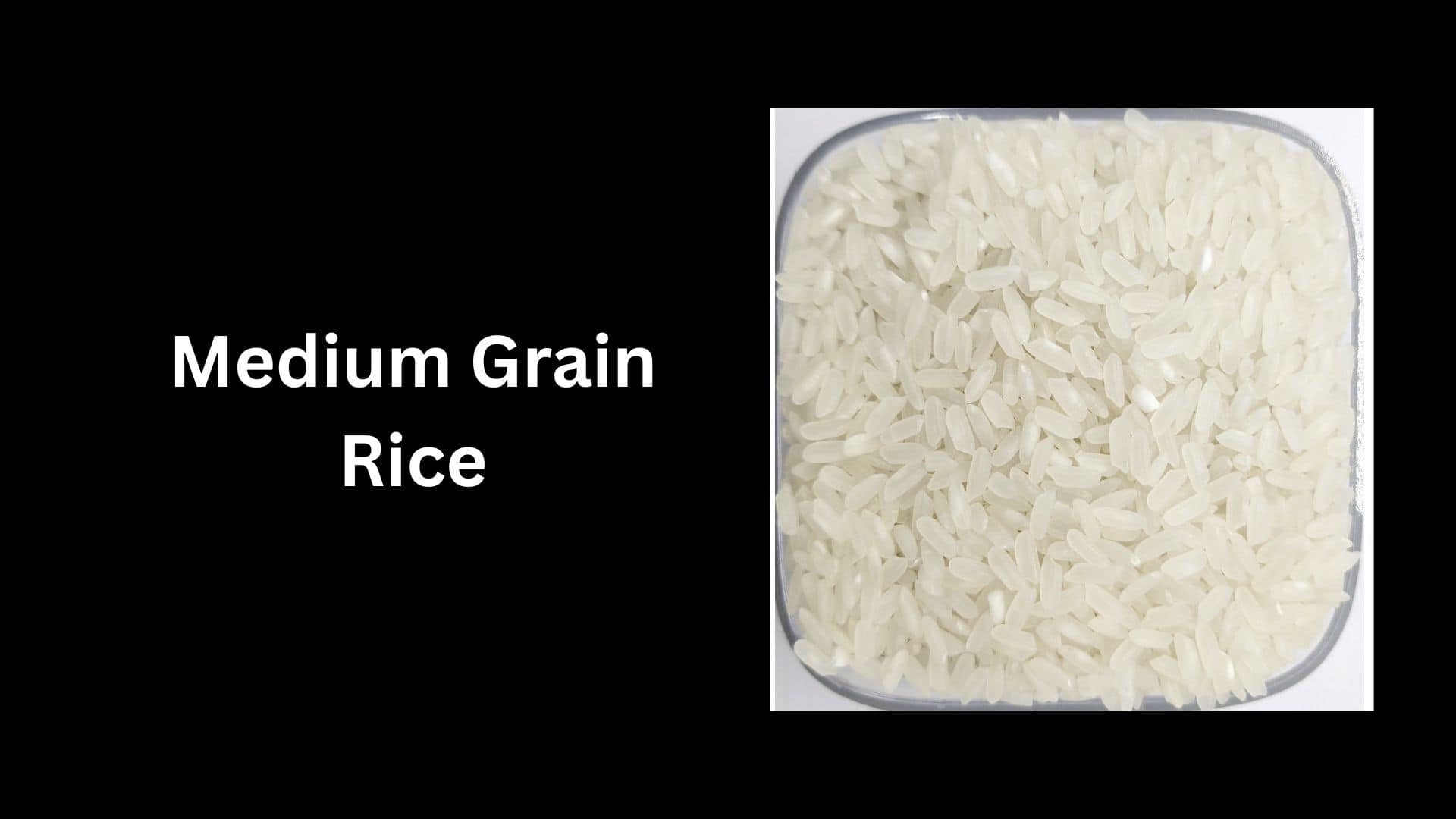
Medium Grain Rice is around 2×3. It also has a slightly sticky texture when cooked and becomes tender and chewy as well. It is compatible with risotto, side dishes, and paella.
Long Grain Rice
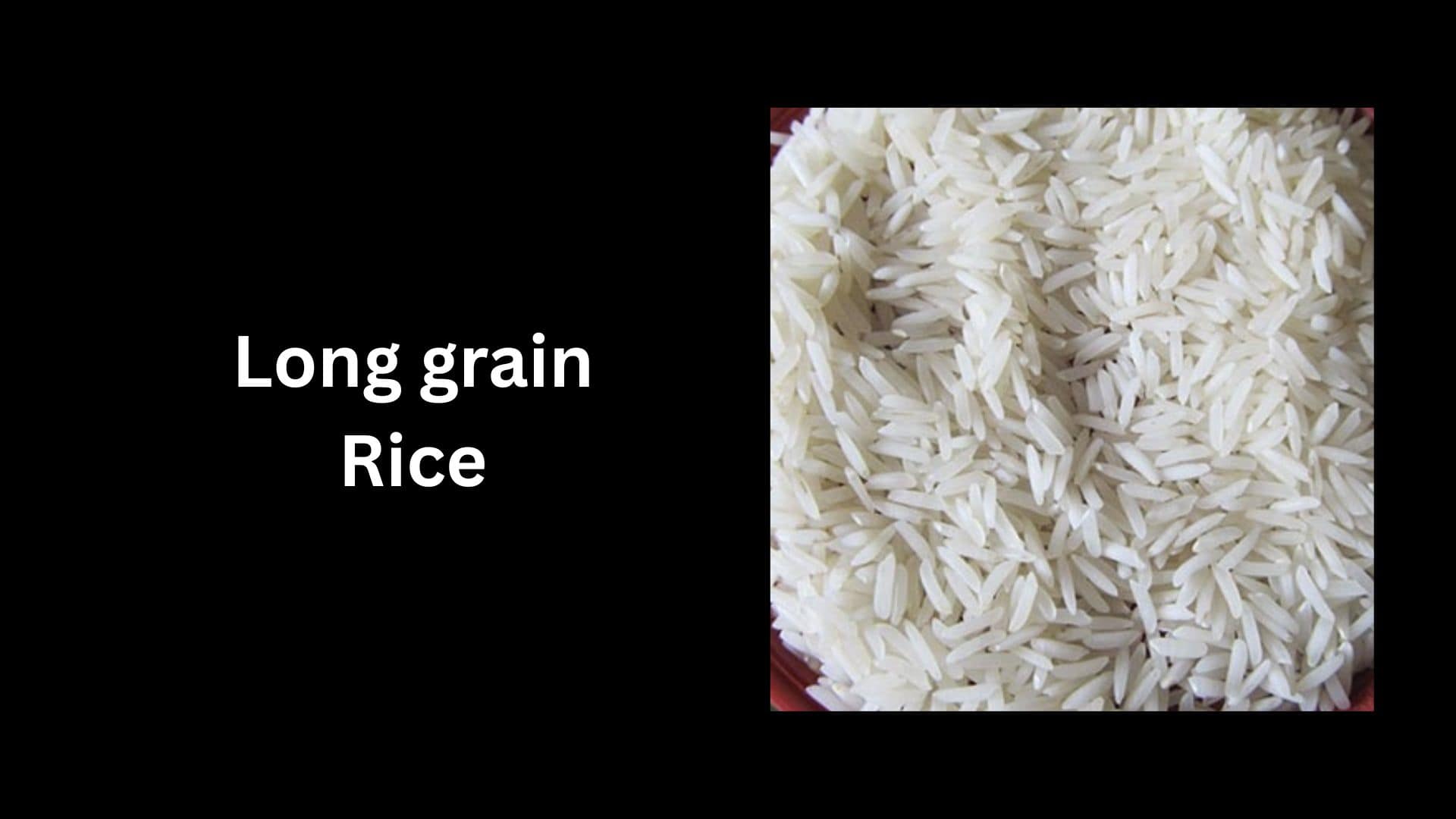
The long grain rice is 6.61 to 7.5mm in length. It is light when cooked and separated. It is used for making casseroles, stir-fries, pilafs, and bowls.
Health Benefits of Eating Rice
The health benefits of rice are considered only when it is consumed with a measured diet. Excessive consumption of rice can aid in weight gain.
Benefits of Rice.
- Provides nutrients and carbohydrates to the body.
- It is also a good source of protein.
- Consumed in excess, it can prevent weight loss.
- Rice eaten in small quantities can satisfy hunger.
- Since rice is rich in fibre, it can reduce the development of cancer.
- Reduces heart-related diseases in the future.
- Keeps sugar levels as well as blood pressure levels under control.
- It can act as an anti-inflammatory.
- It is gluten-free.
- Provides energy to the body.
- Supports the nervous system
Disadvantages of Rice
- Increased consumption of rice causes a bloated stomach because of carbs and starch.
- To follow healthy food consumption, perfectly cooked rice requires skills and time.
- Rice leftovers and incorrectly cooked rice plates can create poison in the stomach.
- Moreover, over-consumption can lead to heart disease and cancer.
- Eating rice is the main cause of obesity and weight gain.
- If you are on a strict diet, you should avoid rice, as it may lead to weight gain.
- Rice boosts sugar levels.
- Rice consumption can make you feel thirsty between meals, which could cause bloating.
- It can also lead to constipation.
Ways to Lose Weight By Eating Rice
Many fitness experts advise avoiding rice while on a diet as it increases the calorie as well as carbohydrate intake in the body. For weight loss purposes, your body needs to create a deficit of calories by consuming fewer calories than it needs to burn daily. Eating balanced rice can help you lose fat and also provide calories and carbohydrates to the body. Well-cooked rice is gluten-free and full of B vitamins, and it can be easily digested.
The following are some tips on losing weight by eating rice.
- Match it with vegetables
Rice can be cooked with high fibre grilled vegetables such as broccoli, carrot, beans, asparagus, chicken breast, eggs, green peas, cabbage, spinach, lettuce, capcium, sesame, corn, and alike. For better taste, you can use olive oil for a light, cooked texture. If you like it raw, you can mix it in well-cooked rice and as a topping with chilli flakes, etc. It is advised to avoid deep or shallow frying of vegetables. - Go for low-calorie methods of cooking
Along with a perfect diet, you should avoid oily food, bread, and sugary food and drinks. Cook in less or no oil (whenever possible). Steamed vegetables are mostly useful for losing weight. - Keep control of limited consumption
If you are planning to go on a diet, forget about those people who say dieting and losing weight are possible with all types of food consumption. In reality, your body requires a deficit that causes the weight to be lost, and if you are giving it every other type of food, then it will have a reverse effect.
Nutritional Values of Rice Variants
By General Type of Rice With 100 Grams
With 100 grams of cooked white rice, it provides the following nutrients: carbohydrates (28 grams), Fats (0 grams), Protein (2 grams), Sodium (1mg), and Potassium (35 mg).
Nutritional Fact:
| Rice Nutrients (100 grams) | Values |
| Carbohydrates | 28 grams |
| Fats | 0 grams |
| Protein | 2 grams |
| Sodium | 1 mg |
| Potassium | 35 mg |
By Various Recipes of Rice
Rice mixed with various items provides different nutrients, as explained in the above chart. The majority of the recipes are made with plain cooked white rice.
Nutritional Fact:
| Serving Size and Rice Variety | Calories |
| 1 cup of rice calories or 100 grams of rice (white rice, plain cooked) | 130 |
| 1 bowl of rice calories measuring 233 grams (white rice, plain cooked) | 267.95 |
| Puffed rice calories measuring 100 grams (white puffed rice) | 402 |
| Lemon Rice (100 grams) | 146 |
| Coconut Rice (100 grams) | 150 |
By Brown Rice
The brown rice keeps the outer layer and the little part that can grow into a new plant. It’s good for you because it has magnesium, iron, and zinc. Plus, it has way more stuff that helps your tummy than white rice does. It doesn’t make your sugar levels go crazy as other foods might.
Nutritional Fact:
| Nutrients | Nutrients Per 100 g Serving |
| Total fat (Saturated fat)(Polyunsaturated Fat)(Monounsaturated Fat) | 0.89 g(0.179 g)(0.321 g)(0.325 g) |
| Cholesterol | 0 mg |
| Sodium | 301 mg |
| Carbohydrates(Dietary Fibre) (Sugar) | 22.78 g(1.8 g)(0.35 g) |
| Protein | 2.56 g |
By Black Rice
Black rice, also referred to as forbidden rice, has among the highest concentrations of anthocyanins in foods. Black rice is rich in nutritional value, just like brown rice. It also offers a distinctive flavor and nutty flavour. It is low on the Glycemic Index.
Nutrition Fact:
| Nutrients | Nutrients Per 100 g Serving |
| Protein | 5 g |
| Fat | 2 g |
| Carbohydrates (Dietary Fibre)(Sugar) | 38 g(3 g)(1 g) |
| Cholesterol | 0 mg |
| Sodium | 4 mg |
By Red Rice
Red rice is naturally pigmented. Its red hue comes from high levels of anthocyanins – the compounds responsible for giving fruits and vegetables their reddish-purple hue. Like brown rice, it offers high nutritional values with abundant fibre content.
Nutrition Fact:
| Nutrients | Nutrients Per 100 g Serving |
| Protein | 9.15 g |
| Carbohydrates (Sugar)(Dietary Fibre) | 102.12 g(0.53 g)(1.6 g) |
| Total fat (Saturated fat)(Polyunsaturated Fat)(Monounsaturated Fat) | 0.76 g(0.159 g)(0.296 g)(0.217 g) |
| Cholesterol | 0 mg |
| Sodium | 655 mg |
| Potassium | 244 mg |
Calories in Rice by Energy Amount Per 100 Grams
- White rice, long-grain and cooked, 100 grams = 130 calories
- Brown rice, long-grain and cooked, 100 grams = 111 calories
- White rice, cooked but glutinous, 100 grams = 97 calories
- White rice, long grain, cooked and parboiled, 100 grams = 123 calories
- White rice, long grain, parboiled and dry, 100 grams = 374 calories
- White rice, long grain- raw, 100 grams = 365 calories
- White rice, steamed 100 grams = 151 calories
Calories in Rice by Energy Amount Per 1 Cup
- White rice, long-grain and cooked, 1 cup (158 g) = 206 calories
- Brown rice, long-grain and cooked, 1 cup (195g) = 216 calories
- White rice, cooked but glutinous, 1 cup (174g) = 169 calories
- White rice, long grain, cooked and parboiled, 1 cup (158g) = 194 calories
- White rice, long grain, parboiled and dry, 1 cup (185 g) = 691 calories
- White rice, long grain- raw, 1 cup (185 g)= 675 calories
- White rice, steamed 100 grams, 1 cup loosely packed (132g) = 199 calories
Where Do The Calories Come From?
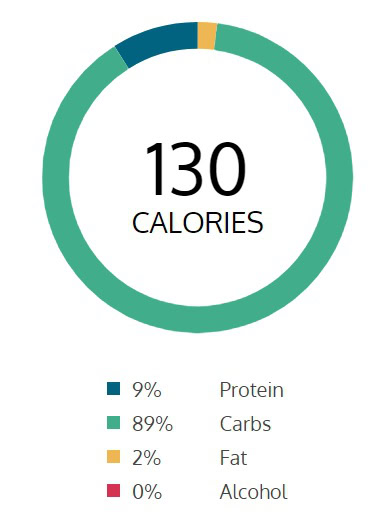
Nutritional Facts of White Rice
- Calories: 242
- Fat: 0.4g
- Sodium: 0mg
- Carbohydrates: 53.4g
- Fiber: 0.6g
- Sugars: 0g
- Protein: 4.4g
- Manganese:0.7mg
- Iron: 2.7mg
- Thiamin: 0.3mg
Top 3 Rice Recipes to Lose Weight
Brown Rice Salmon Sushi
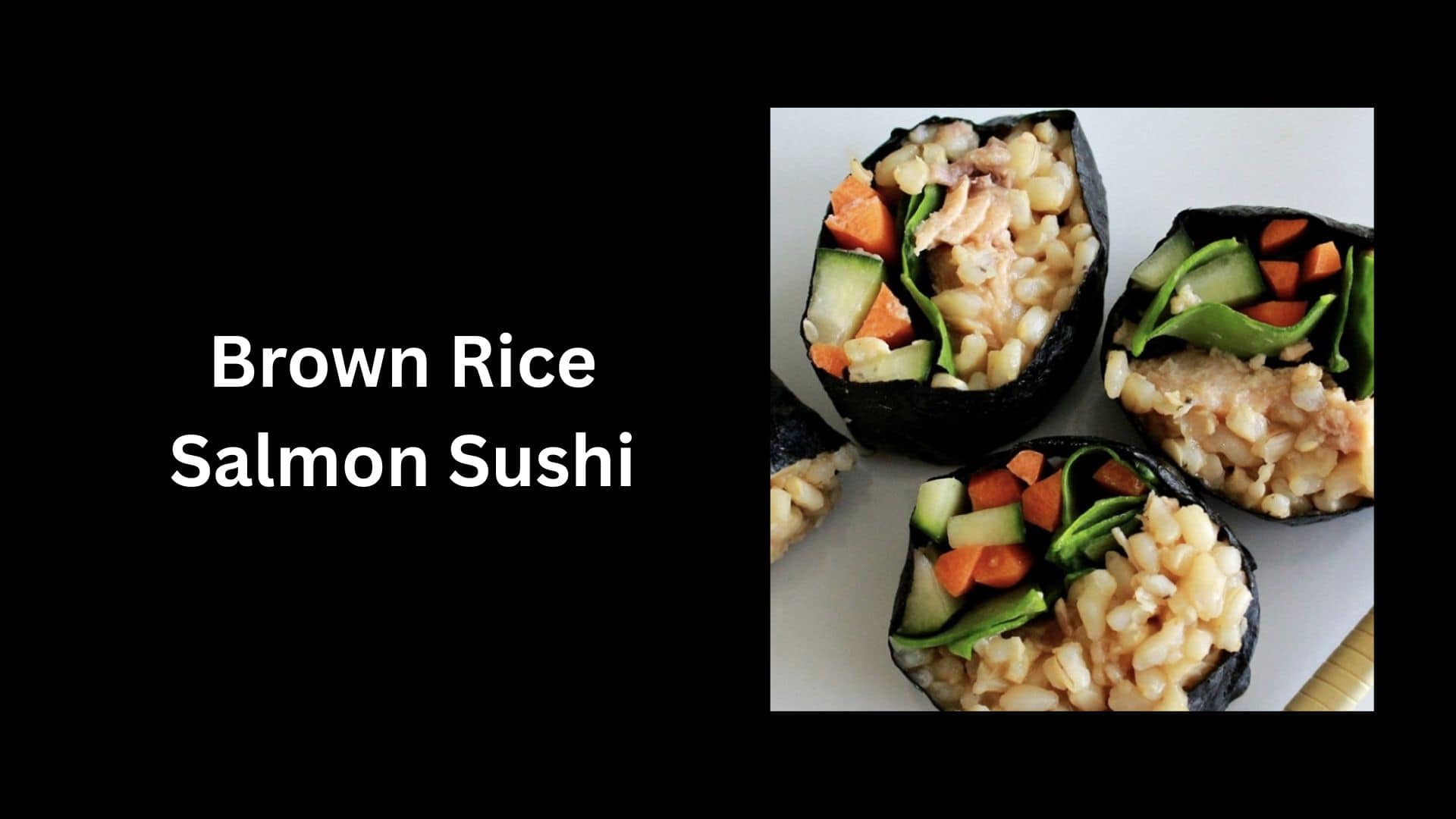
Ingredients: 1 chopped green onion, 1 ½ cups cooked brown rice, 2 tbsp brown rice vinegar, 1 ½ tbsp low-sodium soy sauce, 2 small carrots sliced into thin strips, 1 cup baby spinach, ½ cucumber, ¼ tbsp grated ginger, 2 tbsp brown rice vinegar, 4 nori seaweed sheets, and 4 ounces of canned salmon.
Instruction: Mix vinegar, ginger, green onion, grated ginger, soy sauce, and brown rice in a large bowl. Place one sheet of nori, with a shiny side facing down, add veggies, 11/3 cup of rice mixture, and 1 ounce of salmon. Roll the log and slice crosswise.
What Do You Get?
For 2 full rolls per serving, 43 g Carbohydrate, 5g Fibre, 25mg cholesterol, 223 mg sodium, 4g sugar, 17g protein, 1g Saturated fat, and 291 calories.
Healthy Fried Rice
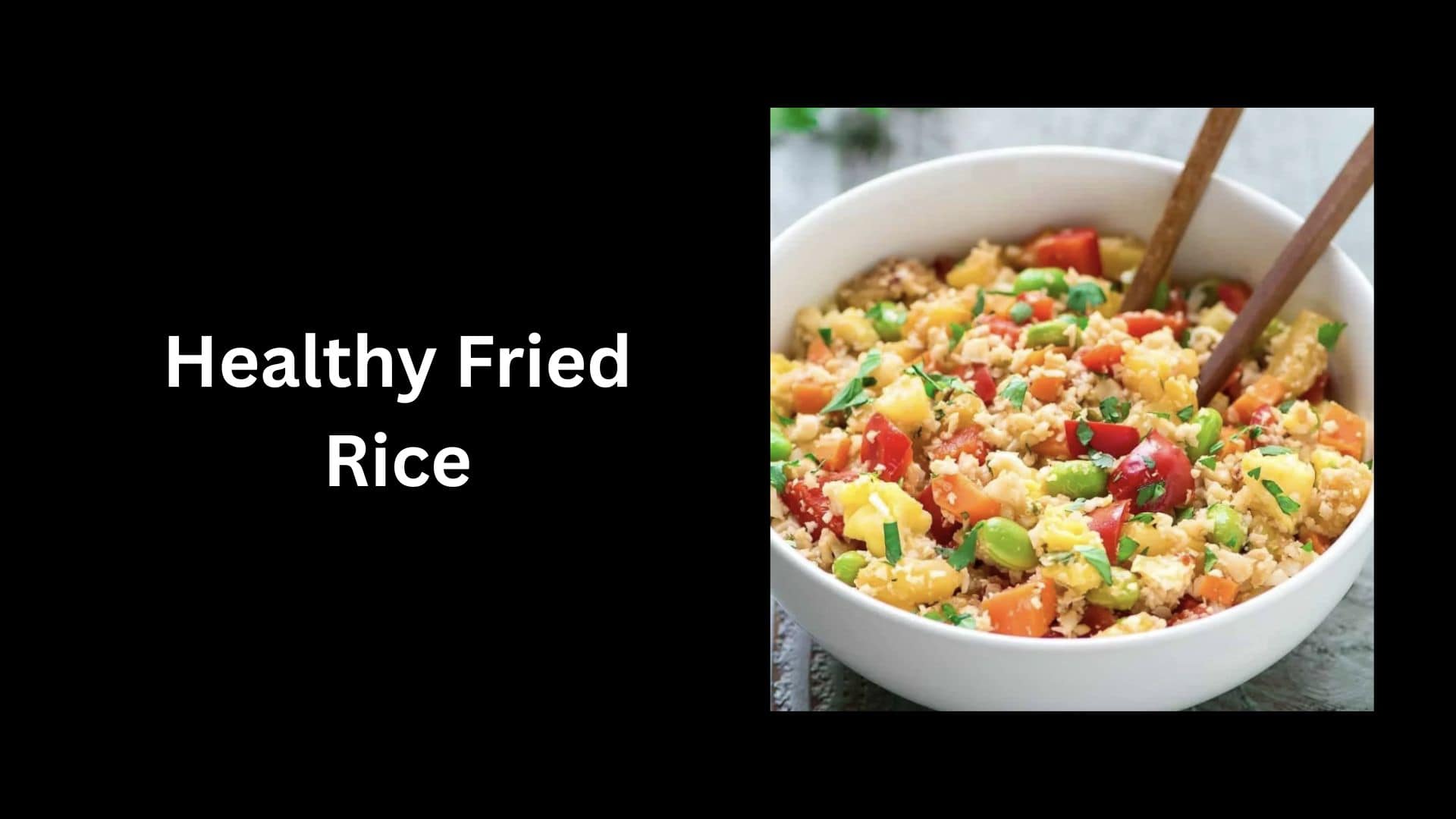
Ingredients: 3 green onions, 2 garlic cloves, 2 tbsp toasted sesame oil, 3 large eggs, 1 medium head of cauliflower, 1 large bell pepper, 2 cups pineapple tidbits, ¼ teaspoon kosher salt, 2 medium carrots, 2 tbsp low-sodium soy sauce, 2 tbsp sriracha sauce, and ½ cup shelled edamame, required quantity of rice.
Instructions: Cut the cauliflower into small pieces. Take another bowl and scramble the eggs. Add salt as per taste. Take one non-stick pan, heat 1 tbsp grapeseed oil, mix eggs, carrots, bell pepper, and pineapple, and keep stirring. Once the liquid is evaporated, add garlic, green onions, and edamame. Keep it on medium flame for 30 to 1 minutes. After cooking the rice and mix it well. Top with green onion and cilantro.
What Do You Get?
For 1 of 4 servings: Fiber (7g), Vitamin C (168 mg), Iron (2mg), Carbohydrates (27g), Calories (230 kcal), Fat (10g), Calcium (98mg), and Cholesterol (123mg)
Healthy Kimchi Fried Rice
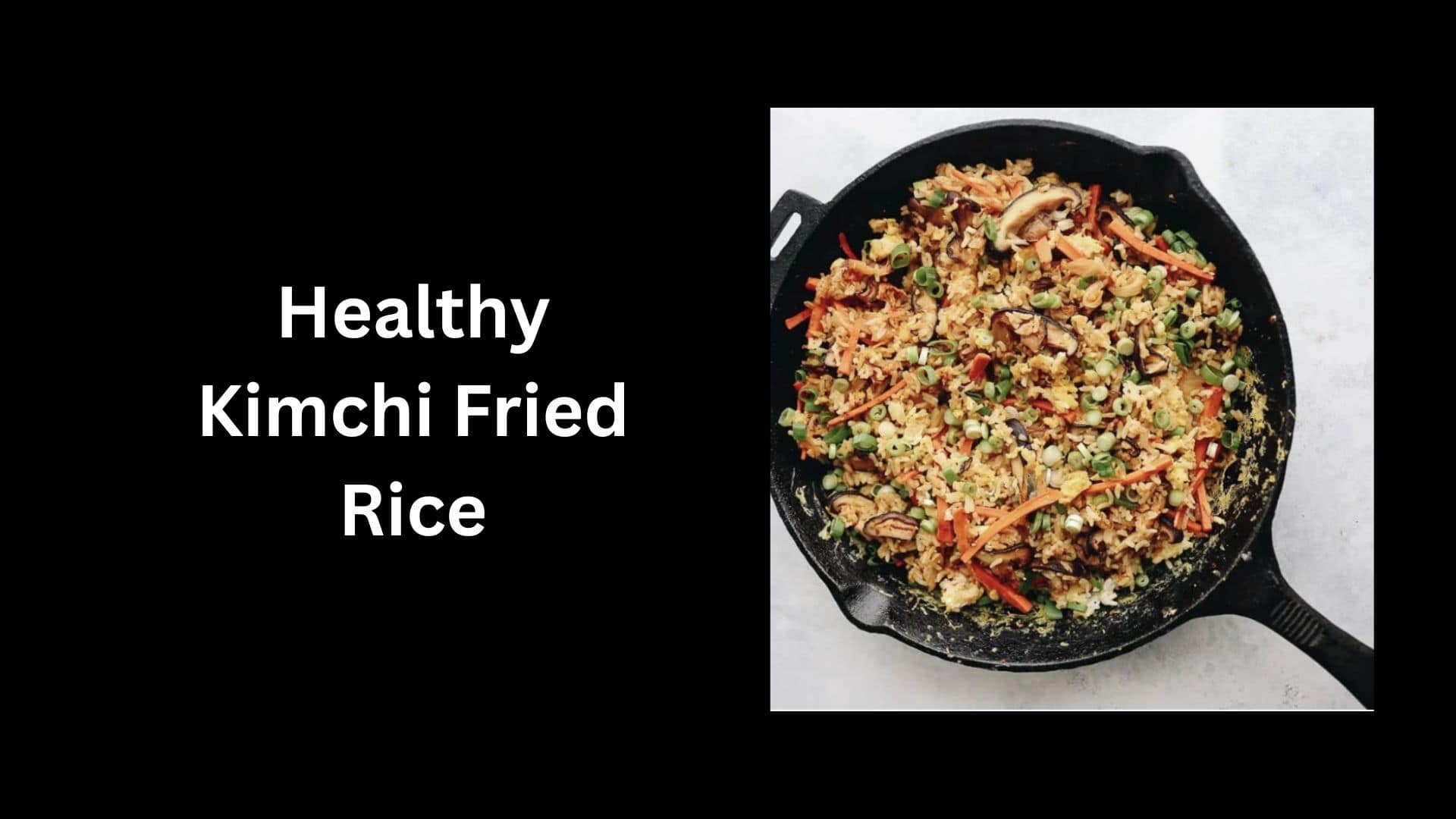
Ingredients: 1 tbsp of butter, ⅔ cup chopped scallions, 4 large eggs, ½ lb of oyster, 1 peeled carrot cut into the shape of matchsticks, 1 cup of dry jasmine rice, 1 tbsp of avocado oil, and 3 tbsp of soy sauce.
Instructions: Make rice as general instructions. Prepare the vegetables as in the ingredients. Heat a large pan and add oil or ghee, then add mushrooms and cook for 6 minutes on a high heat. Refrain from touching the mushrooms. Flip the sides of the mushrooms after 6 minutes and add kimchi and carrot, and cook for 4 to 5 minutes. Add rice and mix everything. Mix the eggs, add the scallions and soy sauce, and blend everything.
Conclusion
If you are on a diet, you often come up with a question of how many calories are in rice? Should I eat rice while dieting or not? Well, a few nutritionists say that if you eat a small quantity of rice mixed with some vegetables, you are still following a healthy diet. Eating only rice with no other nutrients, in addition to excessive consumption, can lead to weight gain or obesity, as well as heart-related issues.
Rice is a perfect food to keep your hunger satisfied at certain levels. There are a variety of foods that can be paired with rice for maximum health benefits.

Sources