








Opening
AeroFarms Statistics: AeroFarms is changing the way we grow food. Instead of relying on large farms and open fields, the company uses vertical farming to grow fresh produce indoors, close to where people live. Its farms use advanced technology to control light, water, temperature, and nutrients, helping plants grow year-round.
The approach also uses far less water and land than traditional farming, making it an interesting solution as the world faces growing food and resource challenges. From leafy greens to innovative farming systems, AeroFarms has become a notable name in indoor agriculture.
In this article, we explore AeroFarms’ growth, technology, business, revenue, and key statistics.
Featured Pick
- AeroFarms was founded in 2004. It moved its operations to Newark in 2015, establishing a large-scale 70,000-square-foot vertical farm there in 2016.
- Its 140,000-square-foot Ringgold facility in Pittsylvania County, Virginia, is now the primary production hub, supplying microgreens to about 2,000 U.S. retail outlets.
- AeroFarms filed for Chapter 11 bankruptcy in 2023 but completed restructuring later that year; a Palm Ventures affiliate acquired the business in April 2026.
- The company claims a leading position in the U.S. retail microgreens market, with more than 70% market share.
- Its aeroponic system uses up to 90% less water and 230 times less land than conventional field production.
- Microgreens are harvested in roughly 12-16 days, have a shelf life of 18-21 days, and are grown without pesticides.
- Major economic factors remain challenging: large farms may require over USD 40 million upfront, while electricity and climate control materially affect operating costs.
- Palm Ventures’ April 2026 acquisition reduced AeroFarms’ debt and installed Gustavo Burger as CEO.
- AeroFarms expanded chainwide into Harris Teeter in July 2025, bringing four microgreen varieties to stores across eight markets.
- Its patented precision-lighting platform enables more uniform plant growth and supports data-led crop optimization.
AeroFarms Company History and Major Milestones
- AeroFarms was established in 2004 in New York’s Finger Lakes region by David Rosenberg, Marc Oshima, and Edward Harwood.
- The company moved to Newark, New Jersey, in 2015 and launched a 30,000-square-foot growing facility.
- In 2016, AeroFarms opened a 70,000-square-foot farm in Newark capable of producing up to 2 million pounds of leafy greens annually, according to Wikipedia.
- AeroFarms expanded to Danville, Virginia, in 2022, making the facility its primary operating location.
- Financial difficulties led to a Chapter 11 filing in 2023, followed by a successful restructuring in September.
- Retail expansion continued in 2024, including a partnership with Costco, while the company commercialized its patented vertical farming system in 2025.
- AeroFarms has reported more than 70% of the U.S. retail microgreens market.
AeroFarms Statistics by Production and Distribution
- AeroFarms microgreens are available in approximately 2,000 retail locations across the United States.
- The company offers 8 varieties, including rainbow mix, wasabi mustard, spicy mix, super mix, kale, broccoli, arugula, and bok choy.
- AeroFarms operates 1 main production facility in Pittsylvania County, Virginia. The facility covers 140,000 sq ft and produces microgreens such as broccoli, kale, and arugula.
By Product and Nutrition
- AeroFarms microgreens can stay fresh for 18-21 days, compared with 7 days or less for soil-grown alternatives.
- Selected vitamins, minerals, and phytonutrients can reach levels 4x-40x higher than those found in mature vegetables.
By Resource Efficiency
- AeroFarms says its vertical farming system uses 90% less water than conventional field farming.
- The system also requires 230 times less land, underscoring the company’s strong focus on space efficiency.
By Workforce and Acquisition
- AeroFarms had 133 employees as of March 27, 2026, compared with 127 in January and 173 in December 2025.
- More than 120 jobs were considered at risk during the company’s search for funding and a buyer.
- A Palm Ventures affiliate completed the acquisition in April 2026, marking a significant development in the company’s ownership and future operations.
AeroFarms: Economics and Scalability
- Large-scale AeroFarms facilities require more than USD 40 million in startup investment.
- Production costs are estimated at USD 3.50-USD 4 per pound.
- Premium greens can command USD 5-7 per pound.
- Current operations are estimated to generate USD 20-25 million annually.
- AeroFarms’ operations and support centers can create more than 200 jobs, including farm workers, technicians, and management roles.
AeroFarms: Farming Performance Highlights
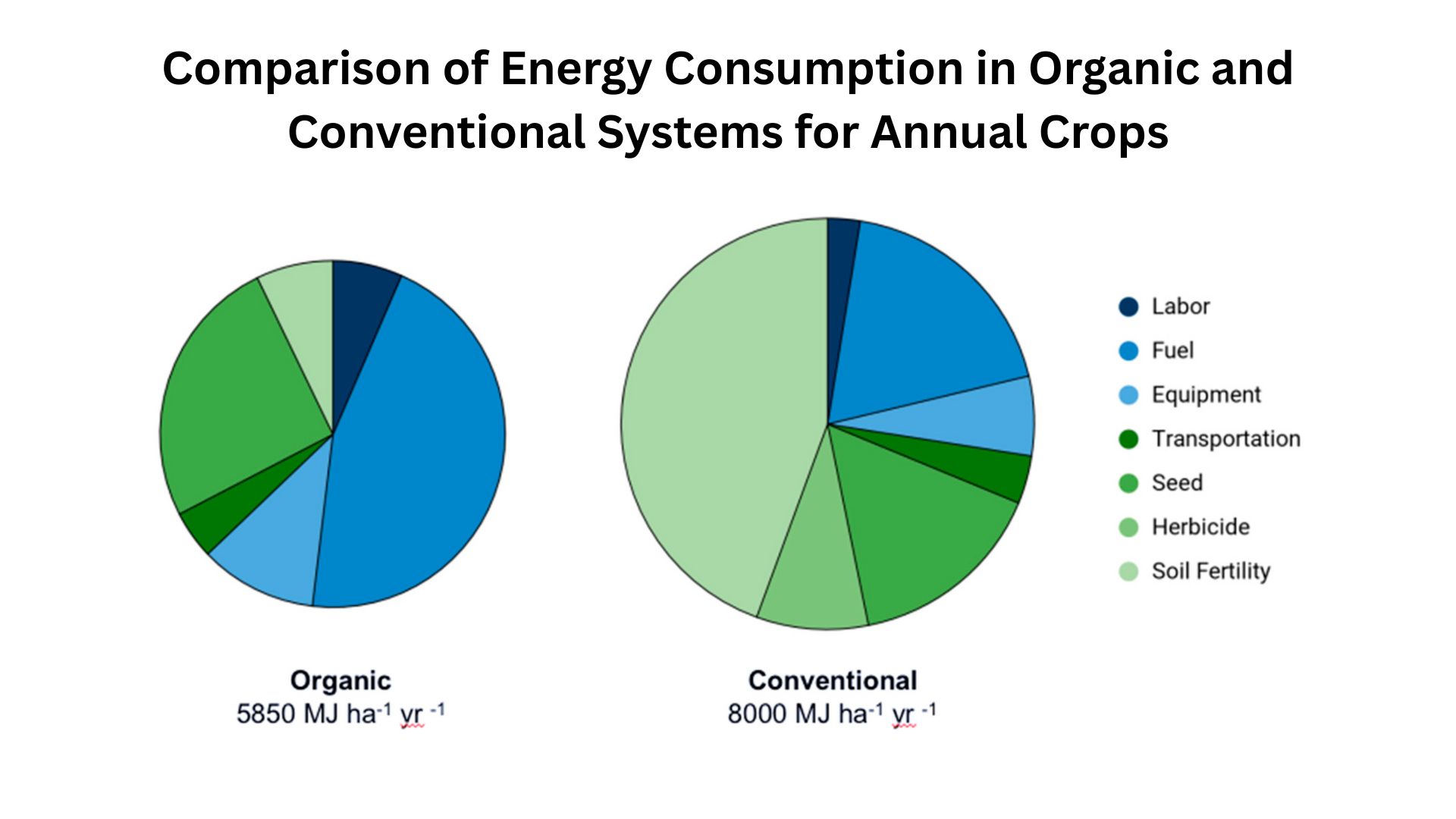
(Source: mdpi.com)
- AeroFarms achieves 390x higher yield per square foot, demonstrating strong space efficiency compared with traditional farming.
- Crops typically reach harvest in just 12-16 days, while outdoor farming can require 25-45 days.
- The company grows crops without pesticides, maintaining 0% pesticide use under its controlled farming system.
- Controlled growing conditions can increase nutrient density by up to 30%, resulting in higher-quality produce.
- Crop losses remain below 1%, compared with roughly 30% in traditional farming.
AeroFarms Technology and Operational Changes in 2026
- AeroFarms continues to grow crops without soil by delivering nutrients directly to the roots, using 90% less water and 230x less land than traditional farming, as per a report published by PR Newswire.
- Automated systems and robotics help improve crop handling, consistency, and scalability, although AeroFarms has not disclosed specific automation rates.
- Indoor production provides greater control over growing conditions and helps extend microgreen shelf life to 18-21 days, compared with 7 days or less for typical soil-grown products
- Certain vitamins, minerals, and phytonutrients can reach 4-40x the levels found in mature vegetables.
- According to cardinalnews.org, AeroFarms’ 140,000-square-foot Ringgold facility supplies about 2,000 retail locations.
- Palm Ventures completed its acquisition in April 2026, following an original USD 42 million investment in the facility.
- The company had 133 employees as of March 27, 2026.
Market Reach and Distribution
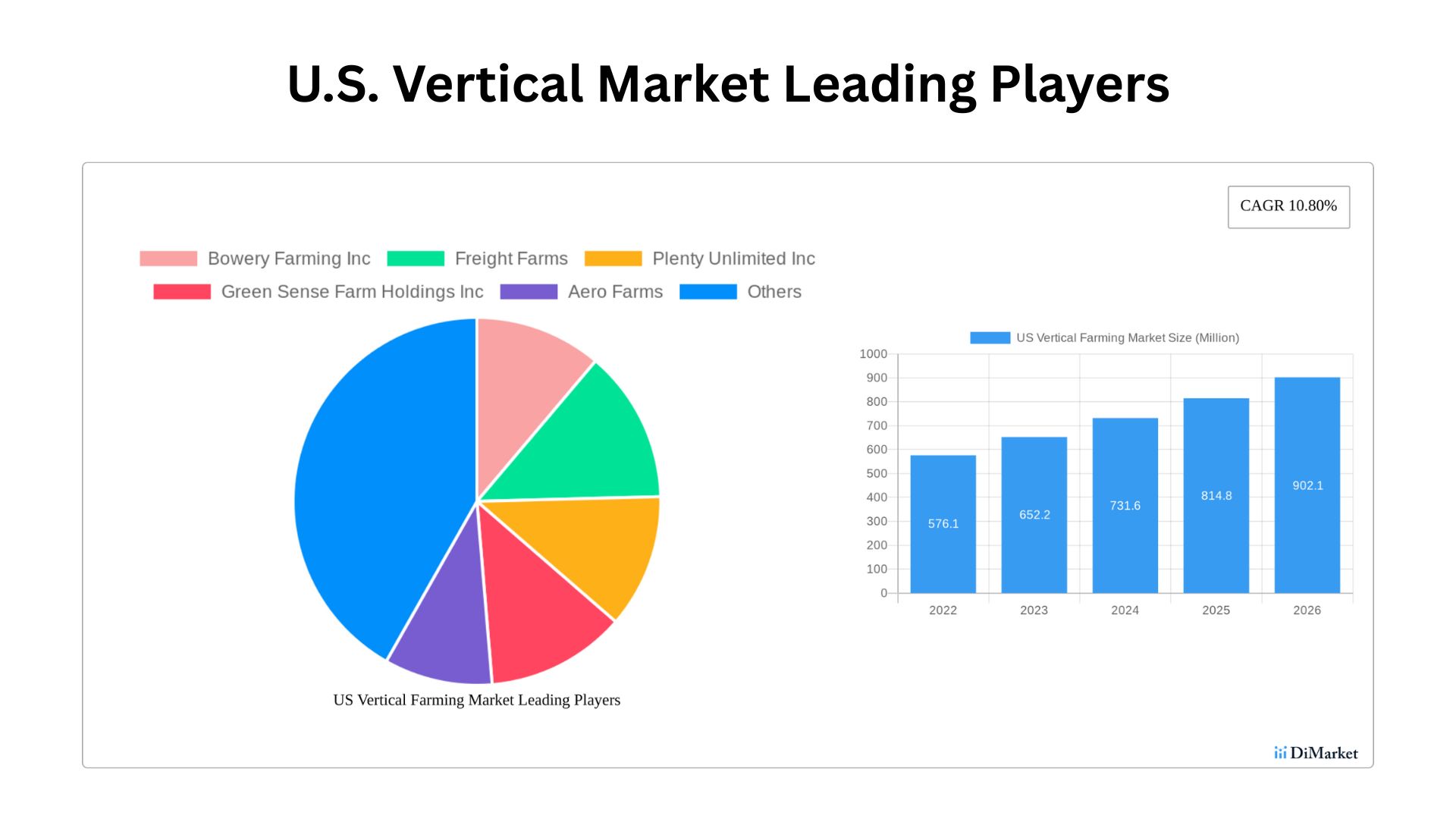
| Metrics | Value | Explanation |
| Market Focus | Northeast USA | Urban centers with high demand |
| Retail Partners | 3 major retailers | Whole Foods, Walmart, Amazon Fresh |
| Transportation Time | Reduced by 80% | Proximity of farms to cities |
| Monthly Distribution | 500,000+ pounds | Volume of produce shipped |
(Source: datainsightsmarket.com)
Consumer Trends Impacting AeroFarms’ Growth
| Metrics | Value | Explanation |
| Local Produce Demand | 70% | Preference for freshness and sustainability |
| Premium Price Acceptance | 65% | Willing to pay more for quality |
| Health Concerns | 80% | Concerns over pesticides & food safety |
| Market Growth Rate | 24% CAGR | Industry-wide indoor farming growth |
Future Projections and Expansion Plans
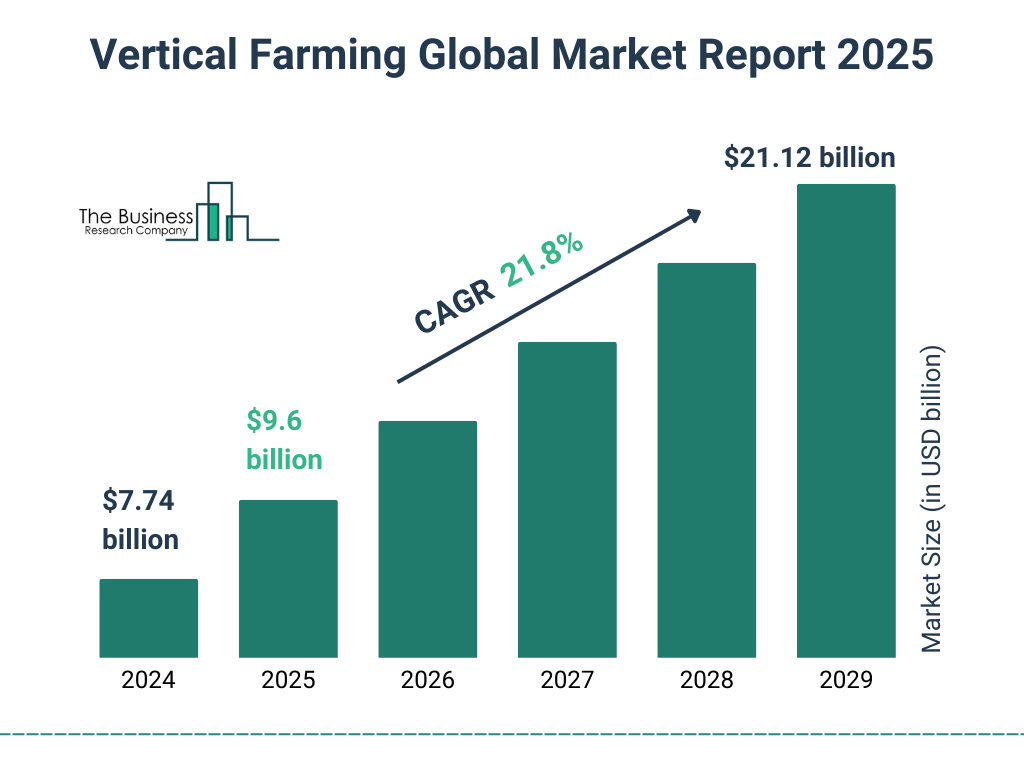
(Source: thebusinessresearchcompany.com)
- The global vertical farming market is projected to grow from USD 7.74 billion in 2024 to USD 9.6 billion in 2025.
- It is expected to reach approximately USD 11.7 billion in 2026 and USD 21.12 billion by 2029, expanding at a CAGR of 21.8%.
What’s next for AeroFarms?
- Planned Facility Growth: 3 new farms by 2027, increasing capacity by 50%
- Sustainability Goals: 100% renewable energy by 2030
- Product Line Expansion: Moving into fruits and medicinal plants
- Global Expansion: Targeting European and Asian markets within 5 years
- Revenue Projection: Estimated $100 million annual revenue by 2030
AeroFarms Environmental Impact of 2026: Resource Efficiency
- AeroFarms reports up to 95% less water than field farming, while its current page cites up to 90% less.
- Vertical farming uses up to 99% less land than traditional farming.
- The company uses 0 pesticides and avoids herbicides and fungicides.
- A historical benchmark reported 40% less fertilizer, but no current percentage is disclosed.
- Aeroponic production uses no soil and aims to eliminate harmful runoff.
- Facilities collect hundreds of thousands of data points and follow more than 200 operating procedures.
Carbon and Energy
- As of August 2026, AeroFarms has not disclosed verified electricity or carbon-intensity figures.
- Its 2024 claims emphasize efficient LEDs, HVAC controls, local production, and green-power technologies.
- Aerofarms Industry research reports 3.3-63.3 kg CO₂e/kg for microgreens, with electricity contributing 35%-54%, lighting 41%-63%, and climate control 23%-31%.
- Seeded trays contribute 30%-46%, while the study used 0.35 kg CO₂e/kWh.
- The lowest modeled footprint was 3.34 kg CO₂e/kg, with a maximum yield of 290.5 kg/week at 20°C and a 24-hour photoperiod.
7 Major Aerofarm Microgreens Trends Shaping 2026
- Smart sensors, AI, and IoT systems will monitor moisture, light, temperature, and nutrients in real time, improving yields while reducing resource waste.
- Precision lighting and nutrients will help farms create colorful blends with higher nutrition, antioxidants, and tailored flavors.
- Multilayer farms could reduce land use by up to 80%, as per a report shared by Farmonaut.
- Robots and AI vision systems will improve harvesting, washing, and packaging, enabling faster 24/7 operations.
- Digital tracking will improve transparency from seed to delivery and help farms quickly identify contamination risks.
- Small rooftop, container, and mobile farms will bring production closer to consumers while reducing food miles and spoilage.
- AI-driven systems will adjust production in response to heatwaves, power disruptions, and changes in demand.
Key Patents Powering AeroFarms’ Innovation
- WO2024145400A2: Covers precision lighting technology that helps distribute light evenly for consistent plant growth.
- US2023189718A1: Supports efficient stacking and connection of growing containers, maximizing vertical space.
- US2024260526A1: Improves AeroFarms’ aeroponic system by supporting nutrient delivery, plant maintenance, and water drainage.
- US2024010383A1: Protects a modular tray system designed for easier replacement, lower costs, and scalable operations.
- USD1046681S: Protects the distinctive design of AeroFarms’ vertical farming units.
Recent Developments of AeroFarms
- In June 2026, Palm Ventures acquired AeroFarms, marking a major change in the company’s ownership, according to a report shared by Tracxn.
- In April 2026, AeroFarms received a funding extension while seeking a buyer, putting about 130 jobs at risk.
- In December 2025, the company secured financing to continue operations and supply microgreens to customers.
- AeroFarms announced plans for a second vertical farm after raising equity in August 2025.
- In December 2025, AeroFarms planned to close its Virginia farm because of funding challenges.
- Research in October 2025 found that AeroFarms’ micro broccoli had up to 35 times the nutrient density of broccoli florets for certain nutrients.
- In July 2025, AeroFarms expanded its microgreens distribution through Harris Teeter stores.
Wrap-Up
AeroFarms shows how technology can change the way we grow food. Its vertical farming system uses less land and water while producing fresh crops in controlled conditions. However, high energy costs, expensive operations, and the need for steady profits remain major challenges. Even so, AeroFarms highlights the growing role of smart farming in building a more efficient and sustainable food system. Its progress could help shape the future of agriculture.
FAQ
AeroFarms combines aeroponics, LED lighting, sensors, and data analytics to create controlled growing conditions.
AeroFarms runs commercial production in Danville, while Newark focuses on research and development.
AeroFarms microgreens are sold nationwide at retailers such as Whole Foods, Giant Food, and H Mart.

Sources


