









Preface
Breast Cancer Statistics: Breast cancer is one of the most common cancers in the world, affecting millions of people every year. It happens when cells in the breast grow abnormally and form a tumor. While women are at the highest risk, men can also develop breast cancer. The good news is that early detection, regular screening, and better treatments have helped save many lives. Knowing the warning signs, risk factors, and ways to reduce your risk can make a big difference.
This article shares the latest breast cancer statistics, key facts, and important insights to help you understand the disease, spread awareness, and encourage early diagnosis for better treatment and improved survival.
Featured Choice
- Breast cancer remains the most common cancer among women, accounting for around 32% of all new female cancer cases in the U.S.
- In 2026, an estimated 321,910 women will be diagnosed with invasive breast cancer, while 60,730 will develop non-invasive DCIS.
- More than 4 million women in the U.S. are living with a history of breast cancer, including around 168,000 with metastatic disease.
- About 66% of cases are detected at a localized stage, where the 5-year survival rate exceeds 99%.
- The overall 5-year relative survival rate for U.S. breast cancer patients is 92%.
- HR+/HER2- breast cancer is the dominant subtype, with an incidence rate of 91.3 per 100,000 women.
- Around 42,140 women are expected to die from breast cancer in 2026.
- Men represent less than 1% of breast cancer cases, with 2,670 expected diagnoses in 2026.
- The global breast cancer therapy market is projected to reach USD 33.6 billion in 2026.
- Early detection remains critical, as survival outcomes vary significantly by stage, access, and treatment availability.
Key Trends of Breast Cancer Statistics
- Breast cancer is the most common cancer among women in the U.S., accounting for 32% of all new cancer cases in women each year.
- According to breastcancer.org, in 2026, around 321,910 women are expected to develop invasive breast cancer, while 60,730 will be diagnosed with non-invasive DCIS.
- About 16% of patients are younger than 50.
- Nearly 66% of cases are detected at a localized stage, improving treatment outcomes.
- Breast cancer rates have slowly increased since the mid-2000s, mainly due to localized and hormone receptor-positive cancers.
- More than 4 million women in the U.S. have a history of breast cancer.
- About 42,140 women are expected to die from breast cancer in 2026.
- Men account for less than 1% of all breast cancer cases.
Breast Cancer Facts and Risk Factors
- Breast cancer incidence increased between 1980-2000, declined in the early 2000s, and rose by 1% during 2012-2021.
- The largest annual increases occurred in women under 50 (1.4%), Hispanic women (1.6%), and Asian American/Pacific Islander women (2.6%).
- The median age at diagnosis is 62, while 16% of cases occur before age 50.
- Risk increases with age, female sex at birth, family history, and inherited gene mutations.
- A first-degree family history nearly doubles risk, although only 15% of patients have an affected relative.
- About 5%-10% of cases involve inherited BRCA1/BRCA2 mutations, while 85% occur without family history.
- In 2026, about 2,670 men are expected to develop breast cancer, and 530 are projected to die from the disease.
Breast Cancer Cases, Survivors, and Recurrence
- National Breast Cancer Foundation, Inc. reported that in 2026, an estimated 382,640 women will be diagnosed with breast cancer, including 321,910 invasive cases and 60,730 non-invasive (in situ) cases.
- More than 4 million breast cancer survivors are currently living in the United States.
- Around 168,000 survivors are living with Stage 4 metastatic breast cancer.
- An estimated 42,140 women are expected to die from breast cancer in 2026.
Breast Cancer at a Glance
- National Cancer Institute report estimated that around 321,910 new breast cancer cases are expected in 2026.
- Breast cancer is projected to account for 15.2% of all newly diagnosed cancer cases.
- About 42,140 deaths from breast cancer are expected in 2026.
- Breast cancer is estimated to represent 6.7% of all cancer-related deaths.
(Source: seer.cancer.gov)
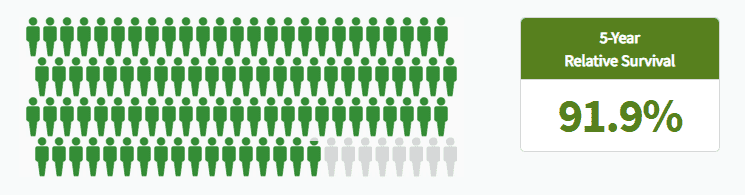
- The 5-year relative survival rate is 91.9% for patients diagnosed during 2016-2022.
Types of Breast Cancer by Clinical Types
- In 2026, an estimated 321,910 women in the U.S. are expected to be diagnosed with invasive breast cancer.
- About 60,730 women are projected to develop ductal carcinoma in situ (DCIS), a non-invasive form of breast cancer.
- Overall, around 382,640 women are expected to receive a breast cancer diagnosis, including invasive and non-invasive cases.
- Nearly 66% of cases are diagnosed at a localized stage before the cancer spreads.
- About 168,000 breast cancer survivors in the U.S. are living with Stage 4 metastatic disease.
By Molecular (Receptor-Based) Subtypes
- HR+/HER2- is the most common subtype, with an incidence rate of 91.3 per 100,000 women.
- Triple-negative (HR-/HER2-) breast cancer has an incidence rate of 13.9 per 100,000 women and is generally more aggressive.
- HR+/HER2+ breast cancer has an incidence rate of 12.3 per 100,000 women.
- HR-/HER2+ breast cancer has an incidence rate of 5.1 per 100,000 women.
- Cases with unknown receptor status account for 7.7 per 100,000, while the overall incidence across all subtypes is 130.8 per 100,000 women.
By Histological Types
- Invasive breast carcinoma of no special type (IBC-NST) represents about 84% of breast cancer cases.
- Invasive lobular carcinoma is less common but occurs more frequently in women older than 40 years.
Female Breast Cancer: Stage at Diagnosis Distribution
(Source: seer.cancer.gov)
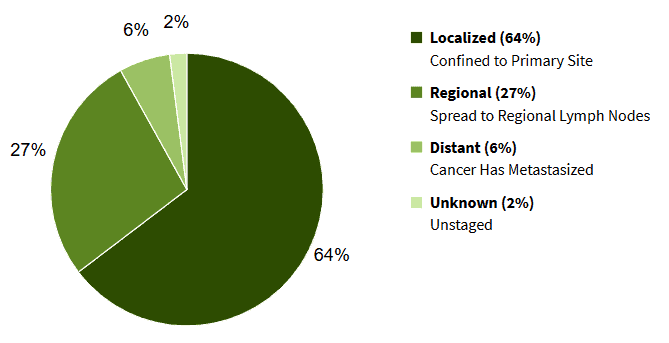
- Most female breast cancer cases, about 64%, are found at the localized stage.
- Around 27% of cases are diagnosed at the regional stage, where cancer has spread to nearby lymph nodes.
- A smaller share, 6%, are diagnosed at the distant stage, when the cancer has already metastasized.
- The remaining 2% of cases fall under the unknown category.
Key Statistics of Breast Cancer in Men
- Although breast cancer is rare in men, all men have breast tissue and can develop the disease.
- National Breast Cancer Foundation, Inc. estimated that in 2026, an estimated 2,670 men in the United States are expected to be diagnosed with invasive breast cancer.
- About 530 men are projected to die from breast cancer in 2026.
- The lifetime risk of breast cancer for a U.S. man is about 1 in 755.
- Black men have the highest breast cancer incidence and mortality rates among all male racial and ethnic groups.
Common Cancers in 2026 (United States)
| Cancer Type | Estimated New Cases | Estimated Deaths |
| Prostate cancer | 333,830 | 36,320 |
| Breast cancer (female) | 321,910 | 42,140 |
| Lung and bronchus cancer | 229,410 | 124,990 |
| Colorectal cancer | 158,850 | 55,230 |
| Melanoma of the skin | 112,000 | 8,510 |
| Bladder cancer | 84,530 | 17,870 |
| Kidney and renal pelvis cancer | 80,450 | 15,160 |
| Non-Hodgkin lymphoma | 79,320 | 19,970 |
| Uterine cancer | 68,270 | 14,450 |
| Leukemia | 67,790 | 23,910 |
Breast Cancer Therapy Market Outlook
(Source: market.us)
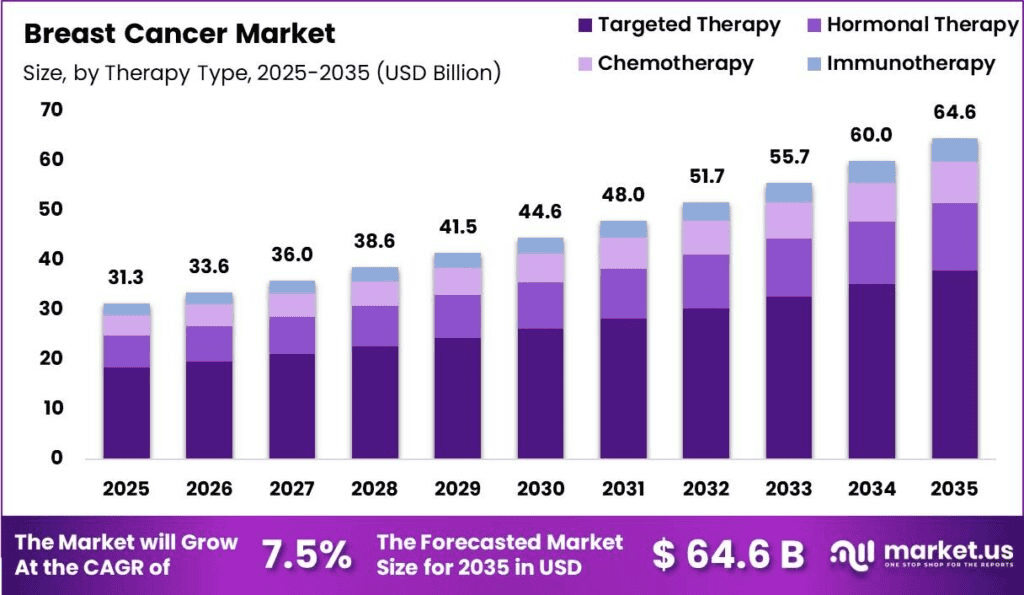
- The global breast cancer therapy market is valued at about USD 31.3 billion in 2025 and rises to USD 33.6 billion in 2026.
- By 2032, market size reaches around USD 51.7 billion, reflecting steady uptake of chemotherapy, immunotherapy, and advanced targeted drugs.
- Overall, the market is projected to expand at a 7.5% CAGR through 2035, with total value expected to hit USD 64.6 billion.
Age Distribution of Female Breast Cancer Cases
(Reference: seer.cancer.gov)
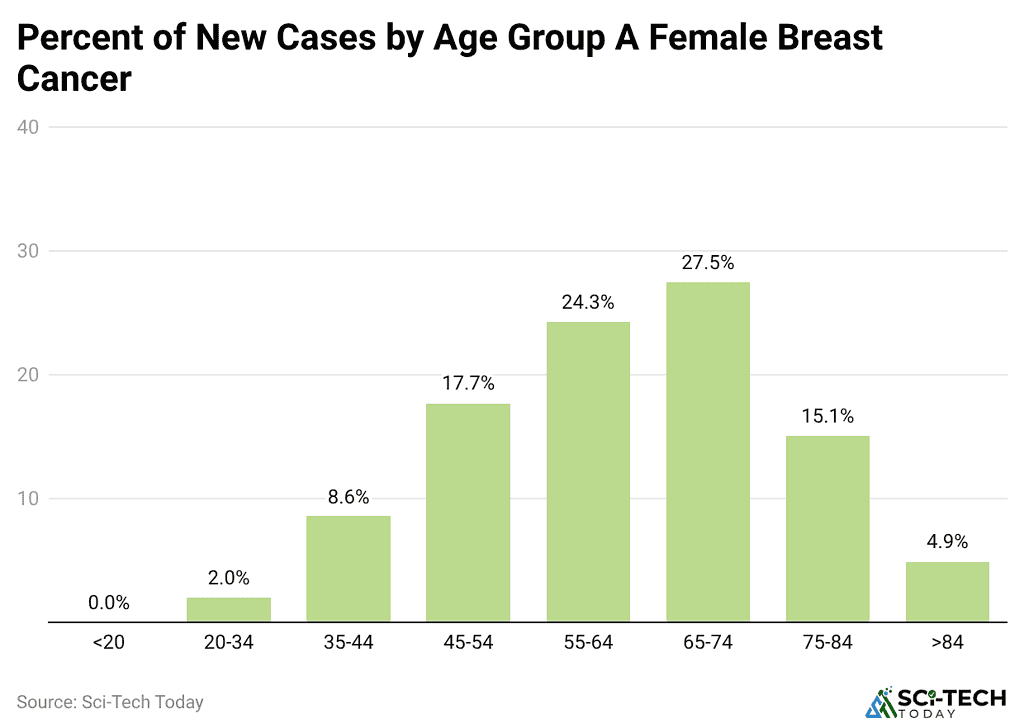
- New cases stay near 0% below age 20, then rise to 2.0% for ages 20-34 and 8.6% for ages 35-44.
- Cases climb further to 17.7% in the 45-54 group, 24.3% in the 55-64 group, and peak at 27.5% in the 65-74 group.
- Rates then fall to 15.1% for ages 75-84 and drop to 4.9% for ages above 84, showing most diagnoses occur after midlife.
Female Breast Cancer Death Rates By Race/Ethnicity
| Group | Death rate per 100,000 women |
| All races (female) | 18.9 |
| Hispanic | 13.4 |
| Non‑Hispanic American Indian/Alaska Native | 16.9 |
| Non‑Hispanic Asian/Pacific Islander | 11.8 |
| Non‑Hispanic Black | 25.9 |
| Non‑Hispanic White | 19.1 |
Breast Cancer Statistics in the United States
(Source: nationalbreastcancer.org)
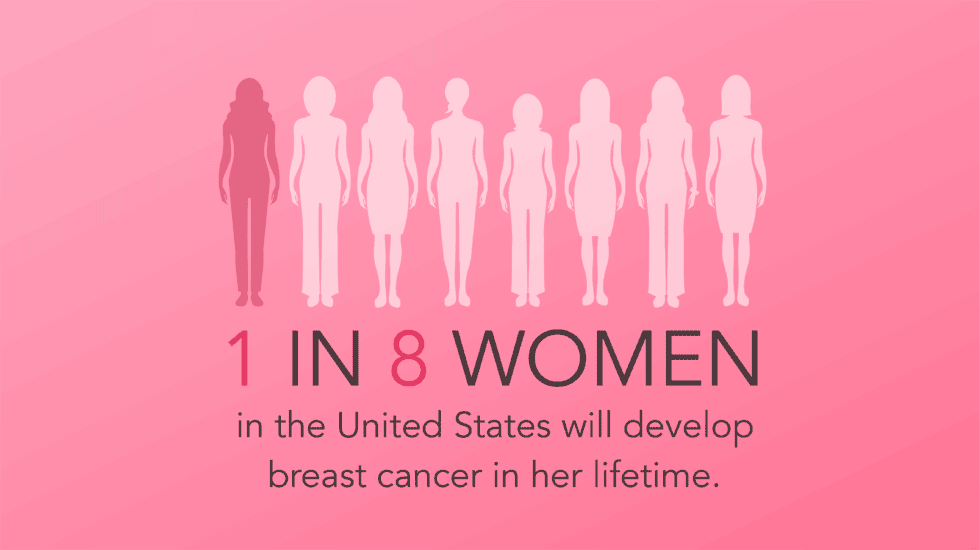
- About 1 in 8 women, or nearly 13%, will develop breast cancer during their lifetime.
- Breast cancer is the most common cancer among U.S. women, excluding skin cancers.
- Around 30% of all new cancer diagnoses in women are breast cancer.
- On average, one woman is diagnosed with breast cancer every 2 minutes in the United States.
- Nearly 66% of cases are detected at a localized stage before the disease spreads, improving treatment success.
- The 5-year relative survival rate for localized breast cancer is over 99%.
- About 10%-15% of patients have a family history of breast cancer, and having a first-degree relative nearly doubles the risk.
By Age
- The median age at diagnosis is 62 years.
- About half of women are diagnosed at 62 years or younger.
- Around 10% of new cases occur in women younger than 45.
- People diagnosed before age 35 have a higher risk of breast cancer recurrence.
By Ethnicity
- The median age at diagnosis is 60, compared with 62 for White women.
- Black women are 38% more likely to die from breast cancer than White women.
- They have the lowest survival rates across all breast cancer stages.
- About 1 in 5 Black women are diagnosed with triple-negative breast cancer, an aggressive subtype.
- Hispanic women have a 20% lower breast cancer incidence than most other groups.
- They are less likely to receive an early-stage diagnosis.
- Breast cancer is the leading cause of cancer death among Hispanic women.
- Asian and Pacific Islander women are more likely to be diagnosed at an early, localized stage.
- They have the second-lowest breast cancer incidence and the lowest death rate.
- Breast cancer incidence among Asian American and Pacific Islander women under 50 has increased by 50% since 2000.
Top 10 Countries by New Breast Cancer Cases
| Country | New Breast Cancer Cases | Age-Standardized Incidence Rate (per 100,000 women) |
| China | 357,161 | 33.0 |
| United States | 274,375 | 90.3 |
| India | 192,020 | 28.5 |
| Japan | 94,763 | 73.4 |
| Russia | 77,938 | 54.8 |
| Brazil | 74,000 | 52.6 |
| Germany | 72,611 | 76.6 |
| Indonesia | 68,858 | 41.8 |
| United Kingdom | 58,756 | 85.9 |
| France | 58,459 | 99.1 |
Breast Cancer Survival and Mortality Statistics
- Breast cancer survival rates estimate how many people with the same cancer type and stage are alive after a specific time, usually 5 years.
- The 5-year relative survival rate compares breast cancer patients with people of the same age and sex who do not have the disease.
- In the U.S., the overall 5-year relative survival rate for all breast cancer types and stages is 92%.
- For localized (early-stage) breast cancer, the 5-year relative survival rate is over 99%, highlighting the benefit of early detection and treatment.
Facts About Breast Cancer – Every Woman Needs To Know
(Source: elcaminohealth.org)
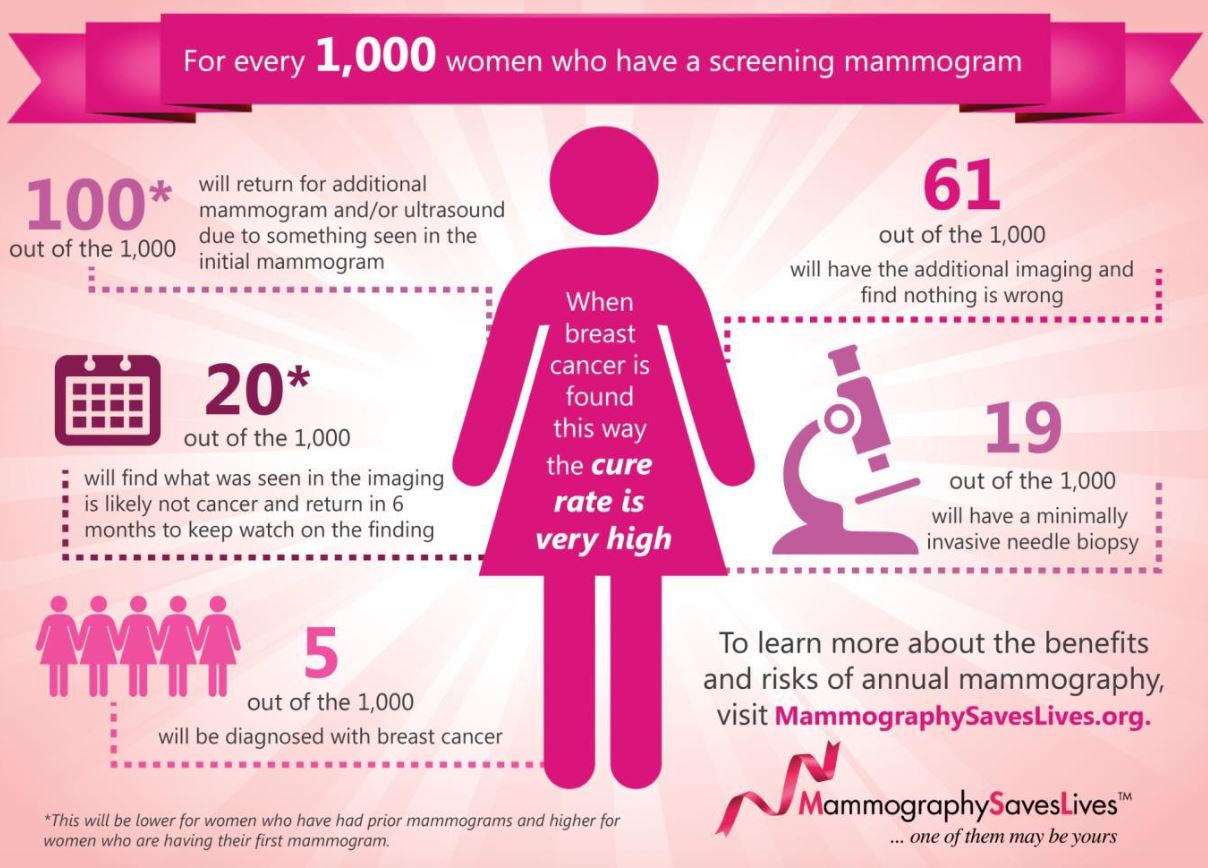
- For every 1000 mammogram screening tests, 100 women will undergo additional tests because something unusual was observed during the initial screenings.
- Sixty-one people will undergo additional imaging tests and will find everything okay.
- Whereas 20 people out of 1000 will feel safe after seeing reports, but will return for the next screening after six months.
- Similarly, 19 will panic to have an invasive needle biopsy test.
- On the other side, 5 out of 1000 will be positively diagnosed with breast cancer.
- Women with dense breast tissue may require extra screening, as it can be harder to spot cancer on a mammogram, and dense tissue is also associated with a higher risk of breast cancer.
Breast Cancer Treatment and Detection Innovations
- In 2026, the FDA approved several advanced breast cancer treatments, expanding options for ER-positive, HER2-negative, and triple-negative cancers.
- On May 1, 2026, Veppanu (vepdegestrant) was approved for ER-positive, HER2-negative, ESR1-mutated advanced breast cancer after hormone therapy failure.
- On May 22, 2026, Datroway (datopotamab deruxtecan) was approved for unresectable or metastatic triple-negative breast cancer.
- On May 15, 2026, Enhertu (trastuzumab deruxtecan) received new early-stage HER2-positive breast cancer approvals.
- FDA also approved Ibrance (palbociclib) as the first CDK4/6 inhibitor for HER2-positive breast cancer.
Innovative Ways To Diagnose Breast Cancer
Artificial Intelligence (AI) In Mammography
- Breast Cancer Statistics in 2024 show that AI-assisted mammography has reduced false negatives by approximately 20% and false positives by 15%, leading to more accurate diagnoses.
- In the U.S., AI assistance performed 35% of mammograms.
Liquid Biopsy
- The sensitivity of these tests has reached about 85%, making them a powerful tool for early detection.
- Meanwhile, the liquid biopsy market for breast cancer is projected to expand by 25% each year, highlighting its growing use and acceptance.
Contrast-Enhanced Mammography (CEM)
- In 2024, CEM has shown a detection rate improvement of about 30% over standard mammography, particularly in women with dense breast tissue.
- In breast cancer screening, the adoption rate of CEM is now used by 15% of mammograms.
Tomosynthesis (3D Mammography)
(Source: elcaminohealth.org)
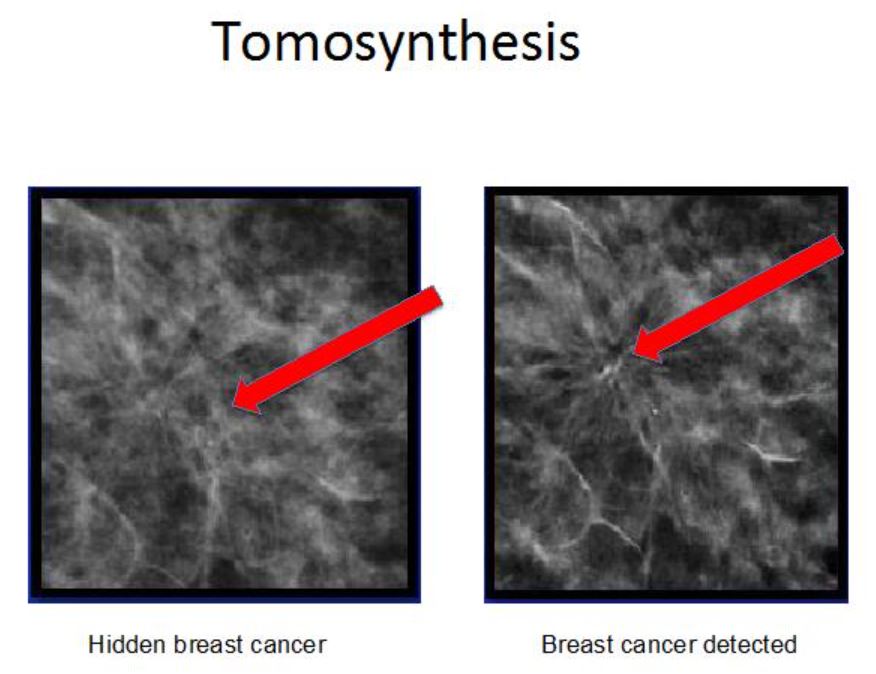
- Tomosynthesis has increased the rate of cancer detection by 27% compared with 2D mammography in 2024.
- As per Breast Cancer Statistics, around 60% of screening centers in the U.S. have adopted 3D mammography, making it a standard part of breast cancer screening protocols.
Molecular Breast Imaging (MBI)
- MBI has been shown to detect cancers that are missed by mammograms, with a 10-15% higher detection rate in dense breast tissue.
- About 5% of breast cancer diagnoses in 2024 were made up by MBI to date.
Ways To Reduce The Risk Of Breast Cancer
(Source: metrohospitalfaridabad.com)
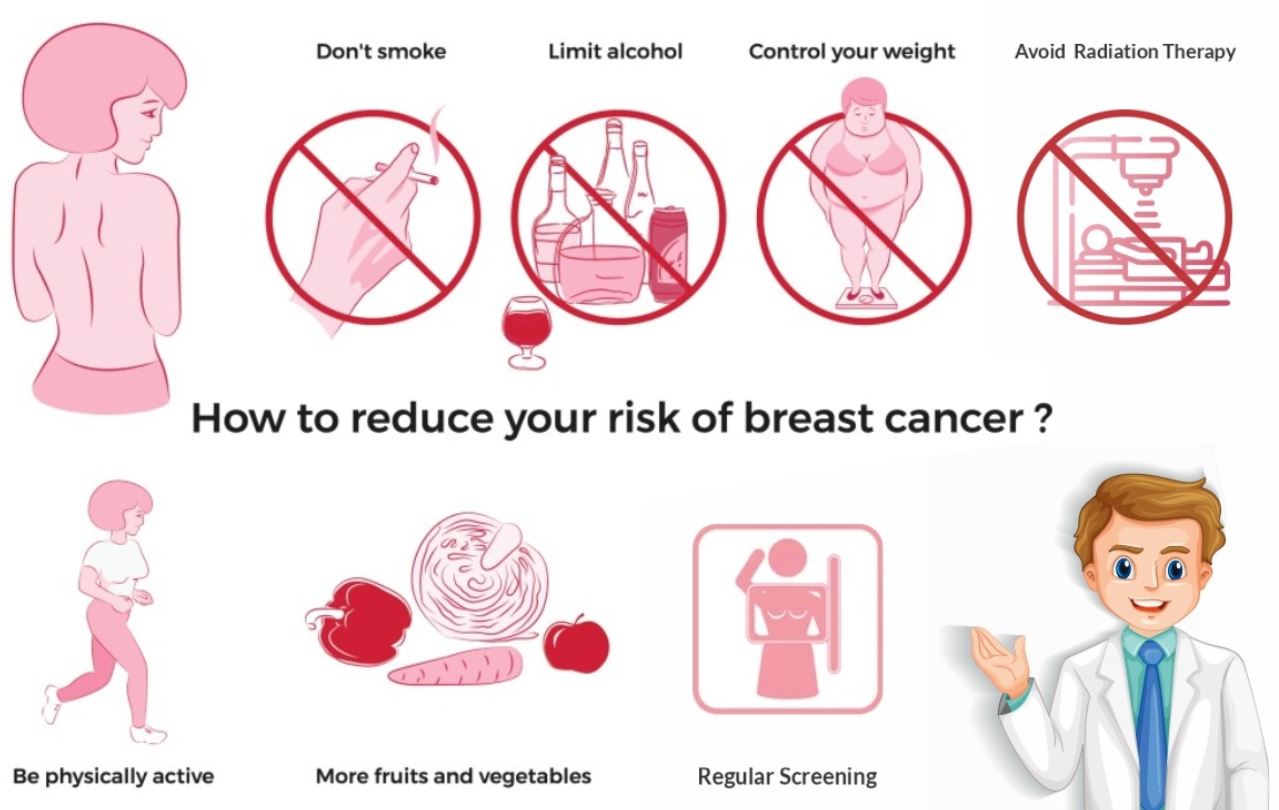
- Quitting smoking is an important step in reducing cancer risk because smoking is linked to many types of cancer, including breast cancer.
- Drinking alcohol raises the risk of breast cancer; thus, keeping it to one drink or less each day can lower this risk.
- Keeping a healthy weight is important, especially after menopause, as obesity is linked to an increased risk of breast cancer.
- Aim for at least 150 minutes of moderate aerobic activity or 75 minutes of vigorous activity each week.
- Eat plenty of fruits, vegetables, whole grains, and lean proteins. A healthy diet can lower your risk of breast cancer and other diseases.
- Regular mammograms and self-exams can find breast cancer early, making it easier to treat.
Breast Cancer Awareness and Early Detection Statistics
- Around 66% of breast cancer cases in the U.S. are diagnosed at a localized stage, when treatment is most effective.
- The 5-year relative survival rate for localized breast cancer is over 99%, highlighting the value of early detection and regular screening.
- In many high-income countries, the 5-year survival rate exceeds 90%, compared with 66% in India and about 40% in South Africa.
- About 1 in 8 women, or nearly 13%, will develop invasive breast cancer during their lifetime.
- Breast cancer accounts for approximately 30%-32% of all new cancer cases in U.S. women, and one woman is diagnosed every 2 minutes.
- Breast Cancer Awareness Month is observed from October 1-31 each year to promote education and screening.
- In India, about 1 in 28 women face a lifetime breast cancer risk, and the disease represents nearly 14% of all female cancers.
Bottom line
Breast cancer is a common disease, but early detection can save lives. Regular screening, knowing the warning signs, and getting medical care on time can improve treatment success. Healthy habits, such as regular exercise, a balanced diet, and avoiding smoking, may also help lower the risk.
With better research and new treatments, more people are living longer and healthier lives after breast cancer. Staying informed and taking action are the best ways to protect your health.
FAQ
A lump in the breast or underarm
Changes in breast size or shape
Skin dimpling or redness
Nipple discharge (especially bloody)
Nipple inversion
Persistent breast pain or swelling
Breast cancer develops from genetic mutations influenced by aging, family history, hormone exposure, lifestyle factors, obesity, alcohol, and environmental risks.
Survival rates vary by stage, but early diagnosis and prompt treatment greatly improve long-term survival outcomes.

Sources