








Overview
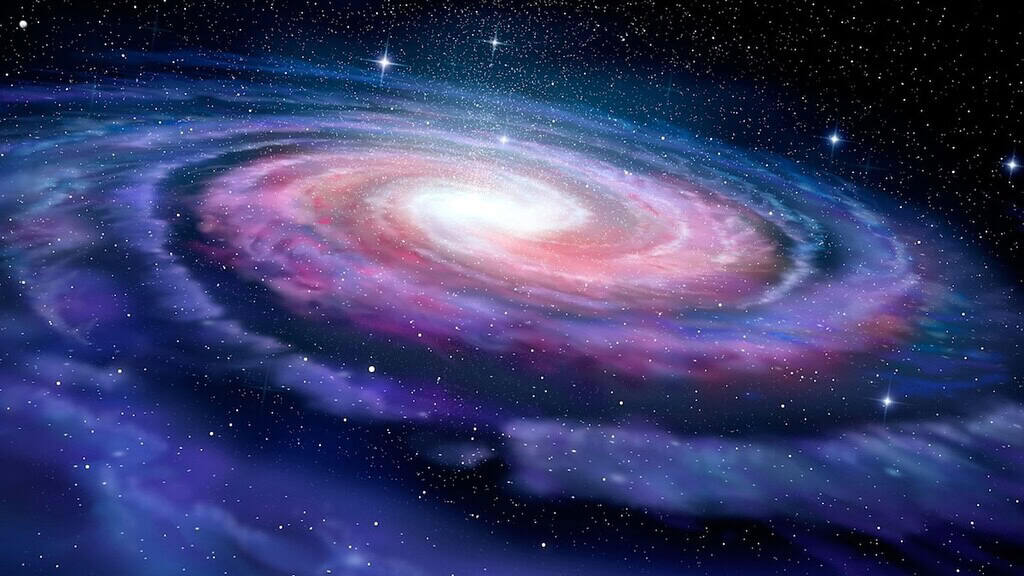
Milky Way Statistics: So, when we look up at the night sky and see that pale, milky band of light stretching across, we are actually seeing a tiny part of our home galaxy, the Milky Way. But the Milky Way is not just a pretty sight in the sky; it’s an enormous, complex system made up of billions of stars like our Sun, planets, gas clouds, dust, and mysterious dark matter. Understanding its structure, size, mass, and the number of stars or planets it contains in this Milky Way statistics guide.
By exploring these Milky Way statistics, we can answer questions such as how big our galaxy really is, how many stars it contains, how fast our solar system orbits around the galactic center, and even how much dark matter is holding it all together. These help us understand the universe we live in.
In this article, we’ll go deep into the Milky Way, covering everything from its origin and age to its mass, star formation, planets, and future. Whether you are curious about how many stars are out there, how our solar system fits in, or what the Milky Way’s future looks like, this guide will give you a clear and data-rich picture, explained in a way that anyone can understand. Let’s get into it.
Handpicked by The Editor
- The Milky Way formed about 6 billion years ago, shortly after the Big Bang.
- Some of its oldest stars appeared just 200 million years after the Big Bang.
- The Sun’s mass equals to the Earth’s one 333,000 times.
- It spans 100,000 light-years in diameter and is about 1,000 light-years thick at the center.
- The Milky Way has two major spiral arms: Scutum to Centaurus and Perseus.
- At its center is the supermassive black hole Sagittarius A, weighing about 3 million solar masses.
- Sagittarius A is the supermassive black hole at the center of the Milky Way, with a mass approximately 4.3 million times that of the Sun.
- The total mass, including dark matter, is estimated between 1.2 and 1.9 trillion solar masses.
- The galaxy contains 100 to 400 billion stars and possibly 100 billion planets.
Star formation happens at a rate of about 65 to 1.90 solar masses per year. - Our Solar System orbits the galactic center at 828,000 km/h (514,000 mph), completing a revolution every 230 million years.
- NASA’s Voyager 1, launched in 1977, is currently traveling through interstellar space at roughly 61,000 km/h (38,000 mph).
- Dark matter makes up a significant portion of the galaxy and is inferred through gravitational effects.
- The Milky Way will collide with the Andromeda Galaxy in roughly 5 billion years.
- Key star-forming regions include the Orion Nebula and the Carina Nebula.
- Missions like Gaia and the James Webb Space Telescope are mapping stars and observing structure, adding to our understanding of the galaxy.
| Aspect | Statistic/Fact |
| Formation Age | 13.6 billion years ago |
| Oldest Stars Formed | 200 million years after the Big Bang |
| Major Galaxy Mergers | Shakti & Shiva streams 12 billion years ago |
| Diameter | 100,000 light-years |
| Thickness | 1,000 light-years |
| Major Spiral Arms | Scutum to Centaurus, Perseus |
| Central Black Hole | Sagittarius A, 4.3 million solar masses |
| Total Mass | 1.2 to 1.9 trillion solar masses |
| Number of Stars | 100 to 400 billion |
| Estimated Planets | 100 billion |
| Star Formation Rate | 1.65 to 1.90 solar masses per year |
| Solar System Orbital Speed | 828,000 km/h (514,000 mph) |
| Solar System Orbital Period | 230 million years |
| Dark Matter Contribution | Significantly affects rotation |
| Notable Star-Forming Regions | Orion Nebula, Carina Nebula |
| Future Collision | With Andromeda in 4.5 billion years |
| Major Exploration Missions | Gaia, James Webb Space Telescope |
Mass of the Milky Way
- To grasp the idea of the mass of 1.5 trillion suns, we can begin with the Earth.
- It weighs 5.972 × 10^24 kg.
- The Sun’s mass equals to the Earth’s one 333,000 times.
- The mass of 12% of all objects in the galaxy consists of gases that are scattered between the stars (hydrogen and helium are mostly present).
- Dark matter takes 27% of the mass of the Universe, while what you and I see – 5%.
- The supermassive black hole in the center of the Milky Way galaxy is estimated at 6 million solar masses.
Galaxy Formation and Age
(Source: nature.com)
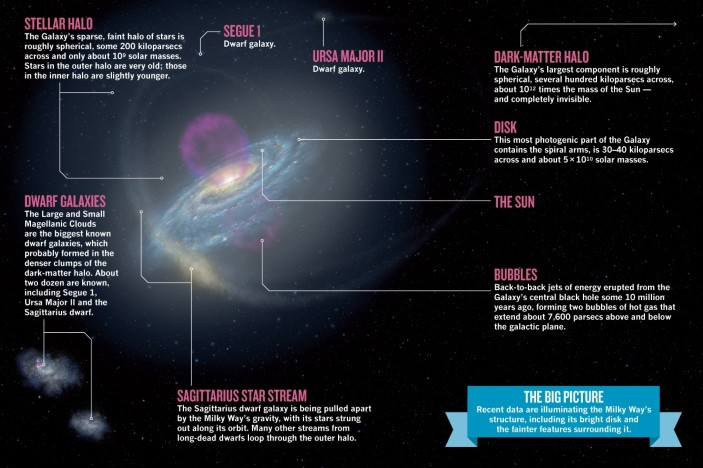
- Formation Timeline: The Milky Way began forming around 13.6 billion years ago, shortly after the Big Bang.
- Early Star Formation: Some of its oldest stars formed just 200 million years after the Big Bang, marking the universe’s first visible light.
- Galaxy Mergers: The Milky Way merged with smaller galaxies, like the ancient Shakti and Shiva streams around 12 billion years ago, shaping its structure.
| Aspect | Statistic/Fact |
| Formation Age | 13.6 billion years ago |
| Oldest Stars Formed | 200 million years after the Big Bang |
| Major Mergers | Shakti & Shiva streams 12 billion years ago |
Milky Way’s Size and Structure
(Source: britannica.com)
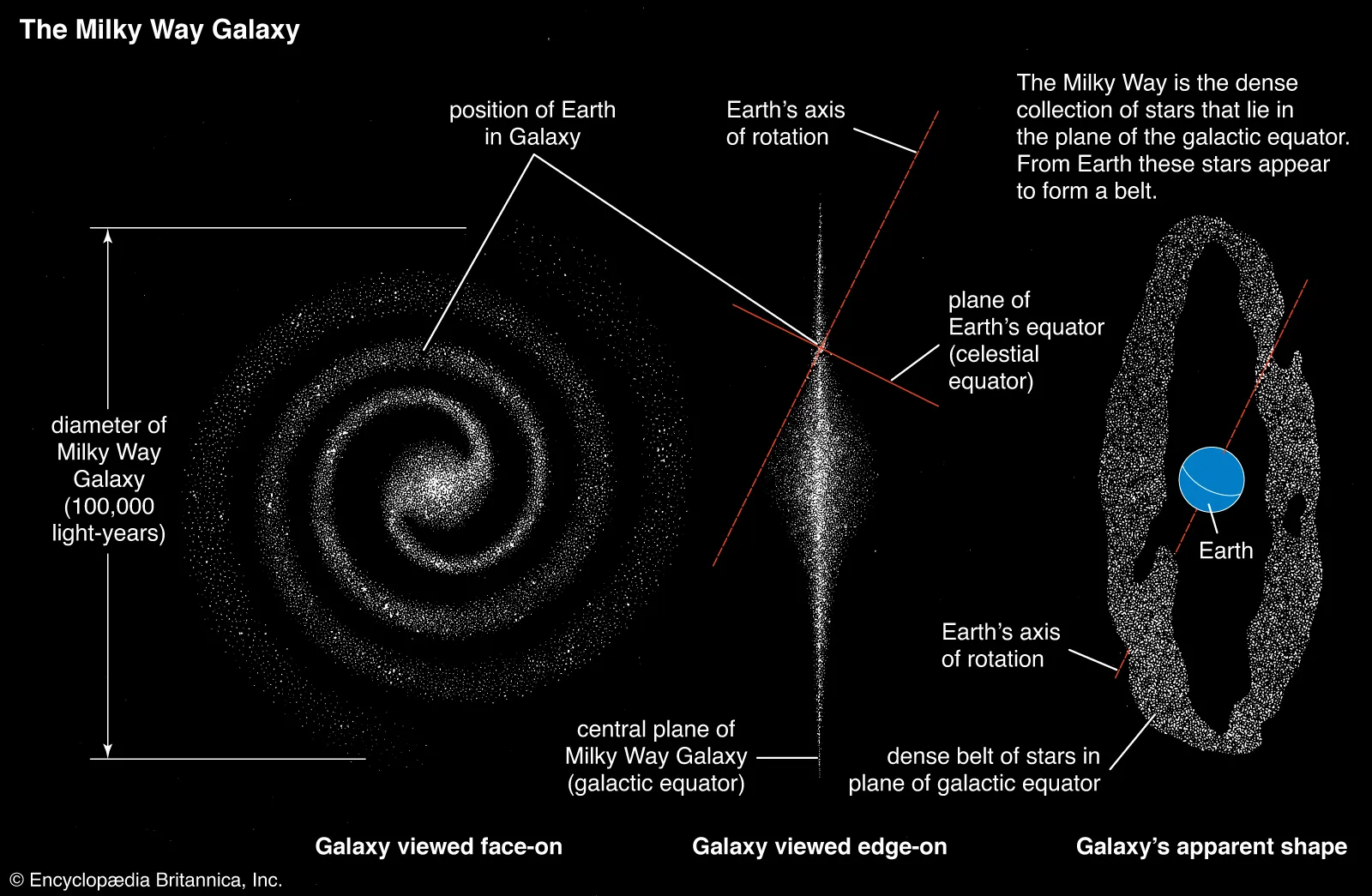
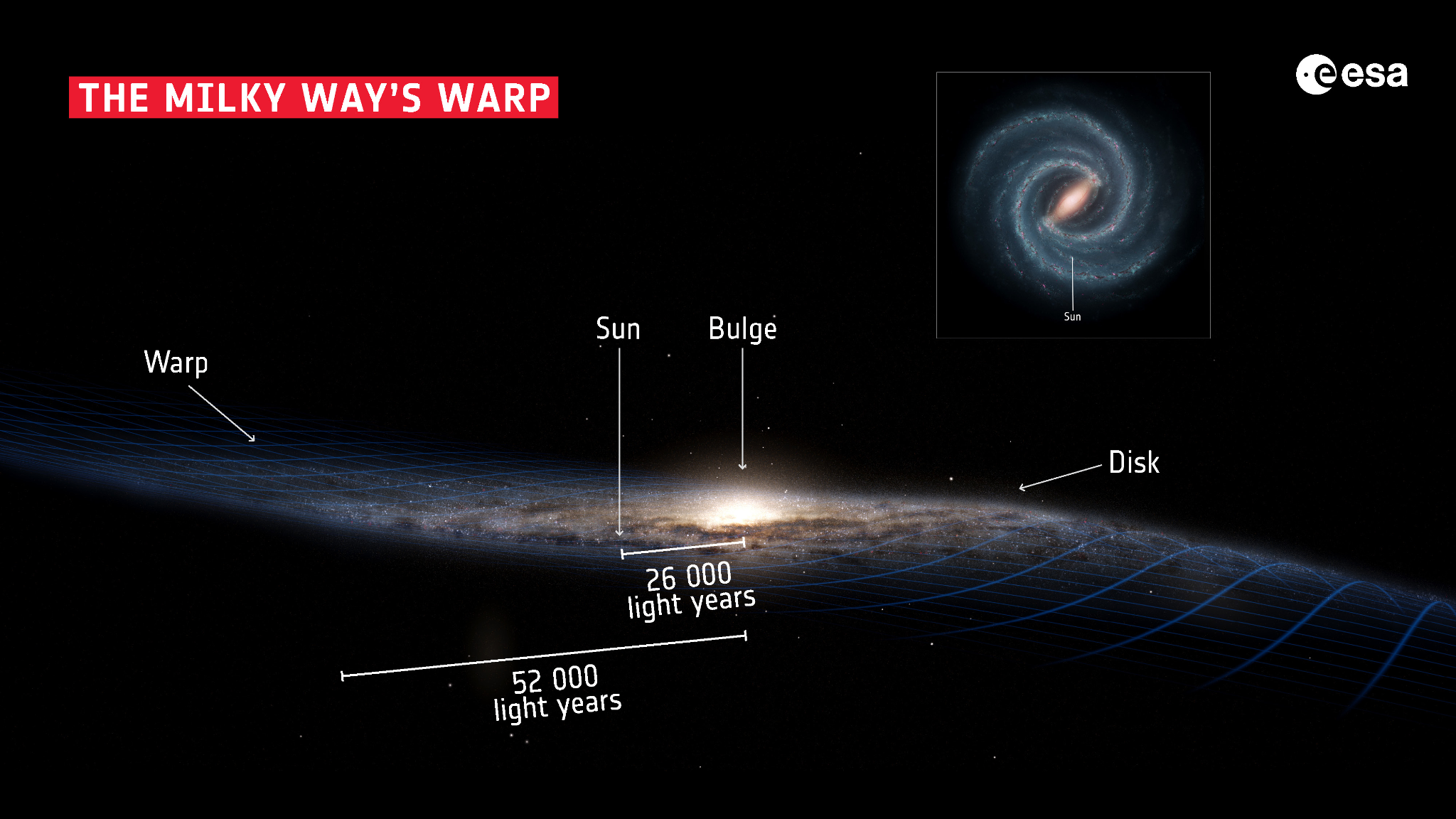
- Dimensions: The Milky Way is about 100,000 light-years across and 1,000 light-years thick at the center.
- Spiral Arms: It has two major spiral arms, Scutum to Centaurus and Perseus, emerging from the central bar.
- Galactic Center: At the heart lies the supermassive black hole Sagittarius A with 4.297 million solar masses.
| Aspect | Statistic/Fact |
| Diameter | 100,000 light-years |
| Thickness | 1,000 light-years |
| Major Spiral Arms | Scutum to Centaurus, Perseus |
| Central Black Hole | Sagittarius A, 4.297 million solar masses |
Mass and Composition
(Source: spiff.rit.edu)
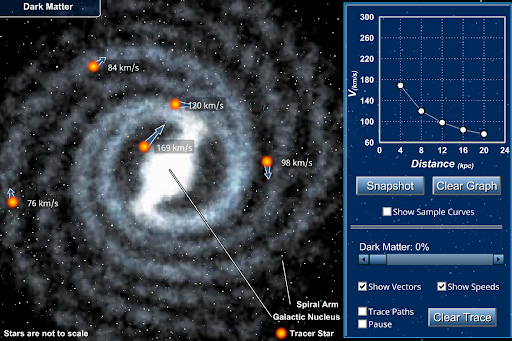
- Total Mass: Including dark matter, the Milky Way weighs between 1.2 and 1.9 trillion solar masses.
- Stellar Population: Contains 100 to 400 billion stars, depending on the region’s density.
- Dark Matter: Dark matter dominates its mass, affecting galaxy rotation and gravitational behavior.
| Aspect | Statistic/Fact |
| Total Mass | 1.2 to 1.9 trillion solar masses |
| Number of Stars | 100 to 400 billion |
| Dark Matter Contribution | Significantly influences rotation |
Black Hole in the Milky Way (Sagittarius A)
- Sagittarius A is the supermassive black hole at the center of the Milky Way, with a mass approximately 4.3 million times that of the Sun, making it the gravitational anchor of our galaxy.
- The black hole has an approximate diameter of 14.6 million miles (23.5 million kilometers), a vast size that still appears tiny compared to the Milky Way’s overall span of 100,000 light-years in width and 1,000 light-years in thickness.
- Sagittarius A was discovered in 2008 by astronomers Reinhard Genzel and Andrea Ghez, whose groundbreaking research earned them the Nobel Prize in Physics for confirming the existence of this supermassive black hole.
- A massive disk of gas surrounds Sagittarius A, extending between 5 to 30 light-years from the black hole, providing the limited material that fuels its mostly dormant activity.
- The region around Sagittarius A emits powerful X-rays, with temperatures soaring to as high as 18 million degrees Fahrenheit (10 million degrees Celsius) due to gas friction and feeding processes within the surrounding disk.
Star Formation in the Milky Way
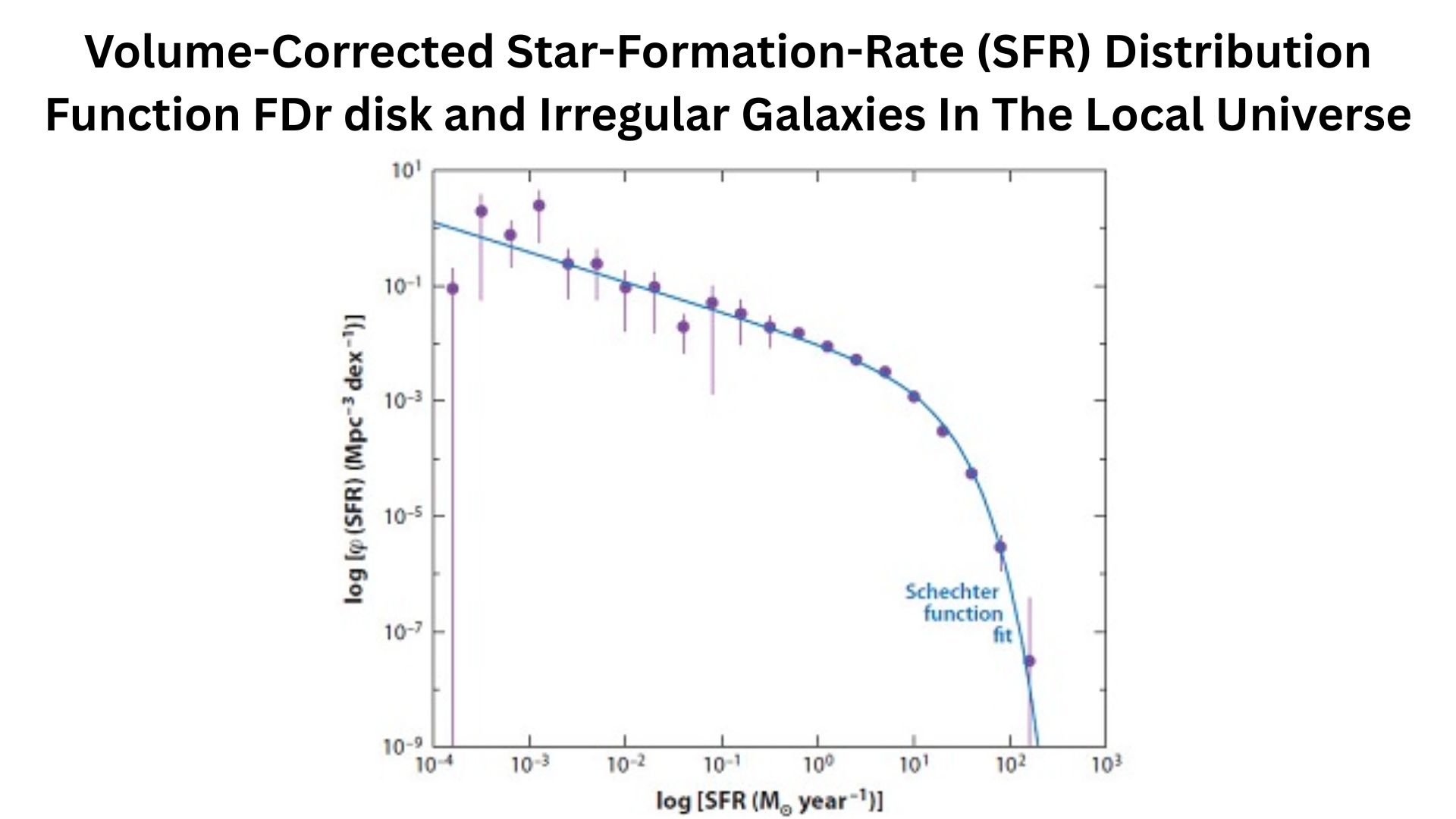
(Source: ned.ipac.caltech.edu)
- Current Rate: Stars form at roughly 1.65 to 1.90 solar masses per year.
- Historical Rates: Star formation was higher in the past, declining due to gas depletion and supernova feedback.
- Star-Forming Regions: Key areas include the Orion Nebula and Carina Nebula, where dense molecular clouds birth stars.
| Aspect | Statistic/Fact |
| Current Star Formation Rate | 1.65 to 1.90 solar masses per year |
| Peak Formation Period | Past billions of years at a higher rate |
| Notable Star-Forming Regions | Orion Nebula, Carina Nebula |
Stellar Populations
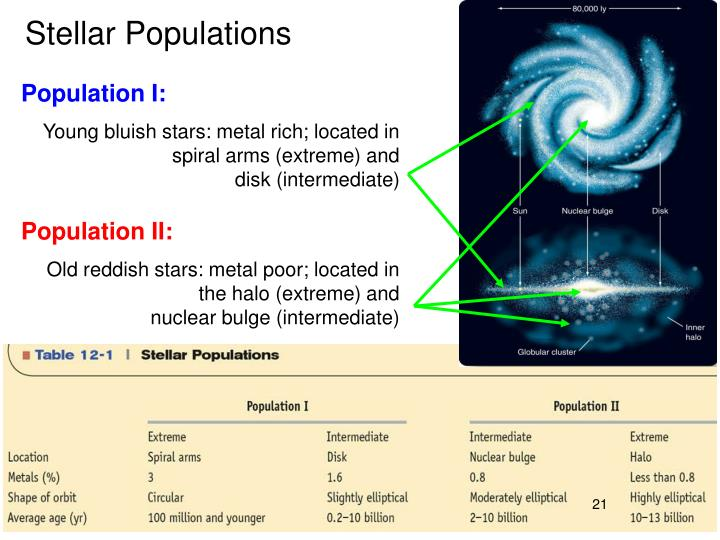
(Source: cosmosatyourdoorstep.com)
- Population I Stars: Young, metal-rich stars in the disk; our Sun is one.
- Population II Stars: Older, metal-poor stars in the halo and bulge; they reveal early galactic formation.
- Population III Stars: Hypothetical first-generation stars, mostly hydrogen and helium, formed soon after the Big Bang.
| Population Type | Description | Location |
| Population I | Young, metal-rich | Galactic disk |
| Population II | Older, metal-poor | Halo & bulge |
| Population III | First-generation hydrogen/helium stars | Hypothetical, early universe |
Planetary Systems
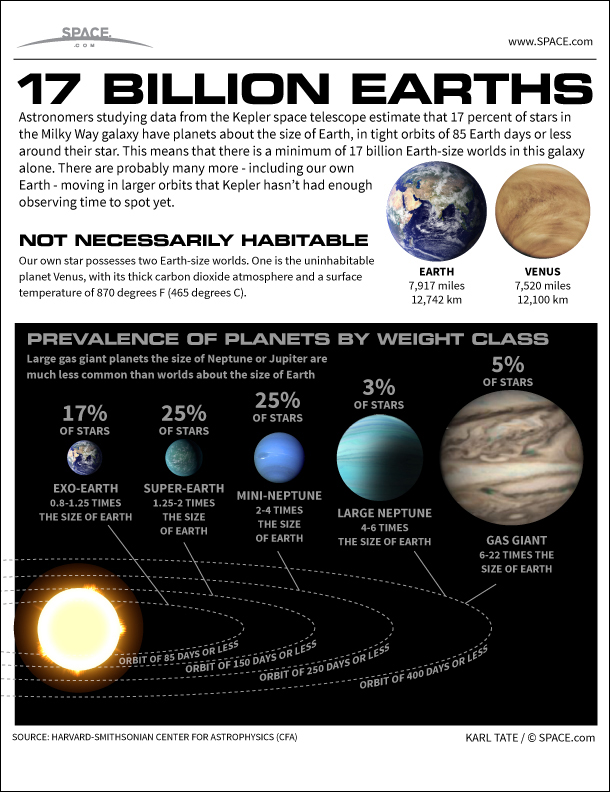
(Source: space.com)
- Exoplanet Discoveries: Thousands identified; estimates suggest 100 billion planets in the Milky Way.
- Habitable Zones: Many planets in the habitable zone may host liquid water and potentially life.
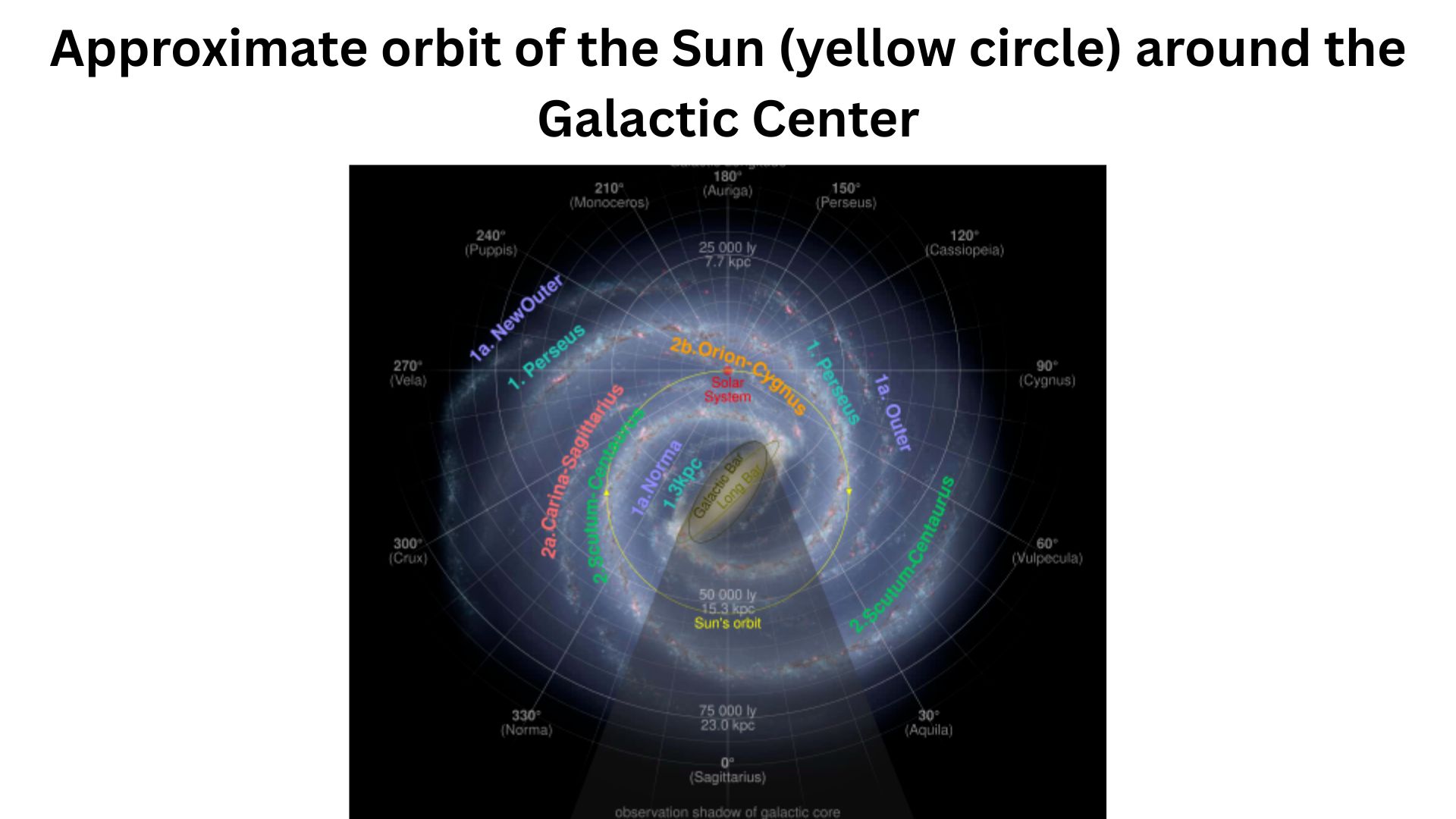
- Solar System Location: Our Solar System lies 27,000 light-years from the galactic center in the Orion Arm.
| Aspect | Statistic/Fact |
| Number of Planets | 100 billion |
| Habitable Zone Planets | Many detected |
| Solar System Location | 27,000 light-years from the center, Orion Arm |
Galactic Dynamics
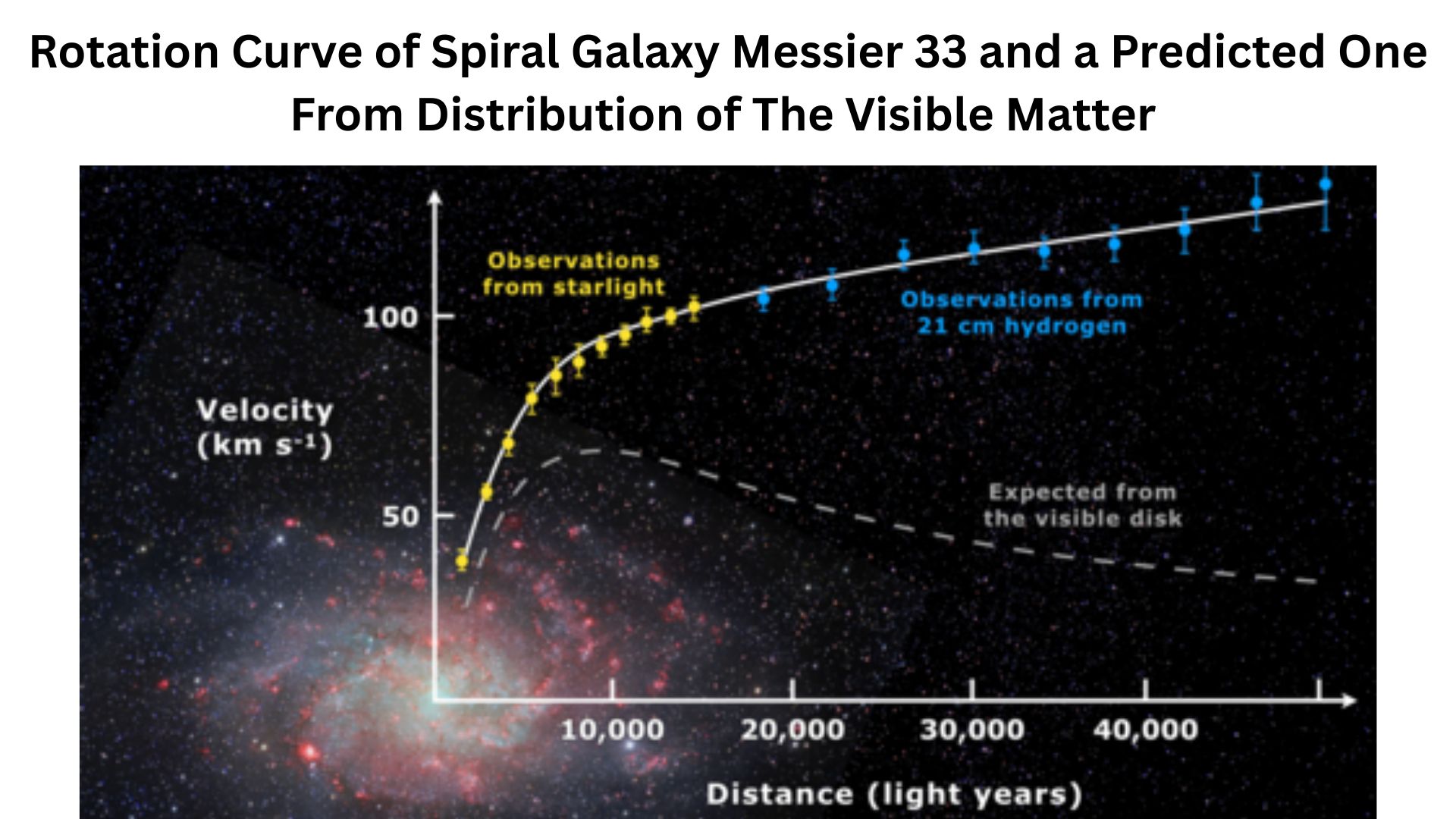
(Source: wikipedia.org)
- Rotation Curve: A Flat rotation curve indicates dark matter beyond the visible galaxy.
- Orbital Motion: The Solar System orbits the galactic center at 828,000 km/h (514,000 mph), completing a revolution every 230 million years.
- Future Collision: The Milky Way will collide with Andromeda in 4.5 billion years.
| Aspect | Statistic/Fact |
| Rotation Curve | Flat, shows dark matter |
| Solar System Orbital Speed | 828,000 km/h |
| Orbital Period | 230 million years |
| Expected Andromeda Collision | 4.5 billion years from now |
Observational Challenges
(Source: space.com)
- Distance Measurement: Hard due to size and dust obscuration.
- Star Counting: Difficult because many stars are hidden or in dense regions.
- Dark Matter Detection: Inferred from gravitational effects rather than direct observation.
| Challenge | Explanation |
| Measuring Distances | Dust clouds obscure visibility |
| Counting Stars | Dense regions hide stars |
| Dark Matter Detection | Indirect via gravitational effects |
Space Probes Launched from Planet Earth
- NASA’s Voyager 1, launched in 1977, is currently traveling through interstellar space at roughly 61,000 km/h (38,000 mph).
- As of mid-2024, it was 164.7 AU (astronomical units) from Earth, the farthest any human-made object has ever travelled.
- By November 2026, it will reach the historic milestone of being exactly one light-day away from Earth (25.9 billion km / 16.1 billion miles).
- Since the Space Age began with Sputnik in 1957, more than 20,000 objects, including satellites, probes, landers, crewed spacecraft, and space station modules, have been launched globally by 2024.
- The United States leads with over 11,000 recorded launches, followed by Russia/USSR.
- In 2025 alone, a record 4,510 objects were launched into space, surpassing the previous peak of 2,903 in 2023.
- China’s Tianwen-2 launched in 2025 to collect samples from a near-Earth asteroid.
- USD 1.2 billion was allocated to space technology research and development.
- A further USD 787 million was earmarked for space flight testing.
Future Exploration
(Source: wikipedia.org)
- Gaia Mission: ESA’s Gaia maps positions and motions of over 1 billion stars, creating a 3D map.
- James Webb Telescope: Expected to provide detailed views of structure and star formation.
- Interstellar Probes: Planned future missions to study the interstellar medium and the outer Milky Way.
| Mission/Project | Goal |
| Gaia | Map 1 billion stars in 3D |
| James Webb Telescope | Observe structure & star formation |
| Interstellar Probes | Explore the interstellar medium & the outer galaxy |
Conclusion
So, overall, the Milky Way is more than just a beautiful band in the night sky; it’s a massive, dynamic galaxy full of stars, planets, gas, and dark matter. By exploring these Milky Way statistics, we get to understand its size, age, star formation, and even the incredible speed at which our Solar System orbits the galactic center.
If you’ve found these insights about the Milky Way interesting, keep exploring, follow the latest space missions like Gaia and James Webb, and get deeper into the wonders of our galaxy. Every value is a reminder of how vast and amazing our universe really is. If you have any questions, kindly let me know in the comments section. Thanks
FAQ
The Milky Way is estimated to have between 100 and 400 billion stars, and possibly just as many planets. However, an accurate number would be contingent upon counting how many very low-mass stars there are, which are hard to spot, particularly those located at least 300 ly away from the Sun
Saturn boasts the most impressive and complicated system of rings amongst all the planets in our Solar System. Rings consist of particles orbiting around the planet, whose sizes range from a micron to meters, and are composed almost wholly of water ice and have some rocky components as well.
The oldest known star in the universe is HD 140283, commonly nicknamed the Methuselah Star. Located about 190.1 light-years away from Earth in the Libra constellation, it is a subgiant star that is estimated to be between 13.6 and 13.7 billion years old, making it almost as old as the universe itself.


